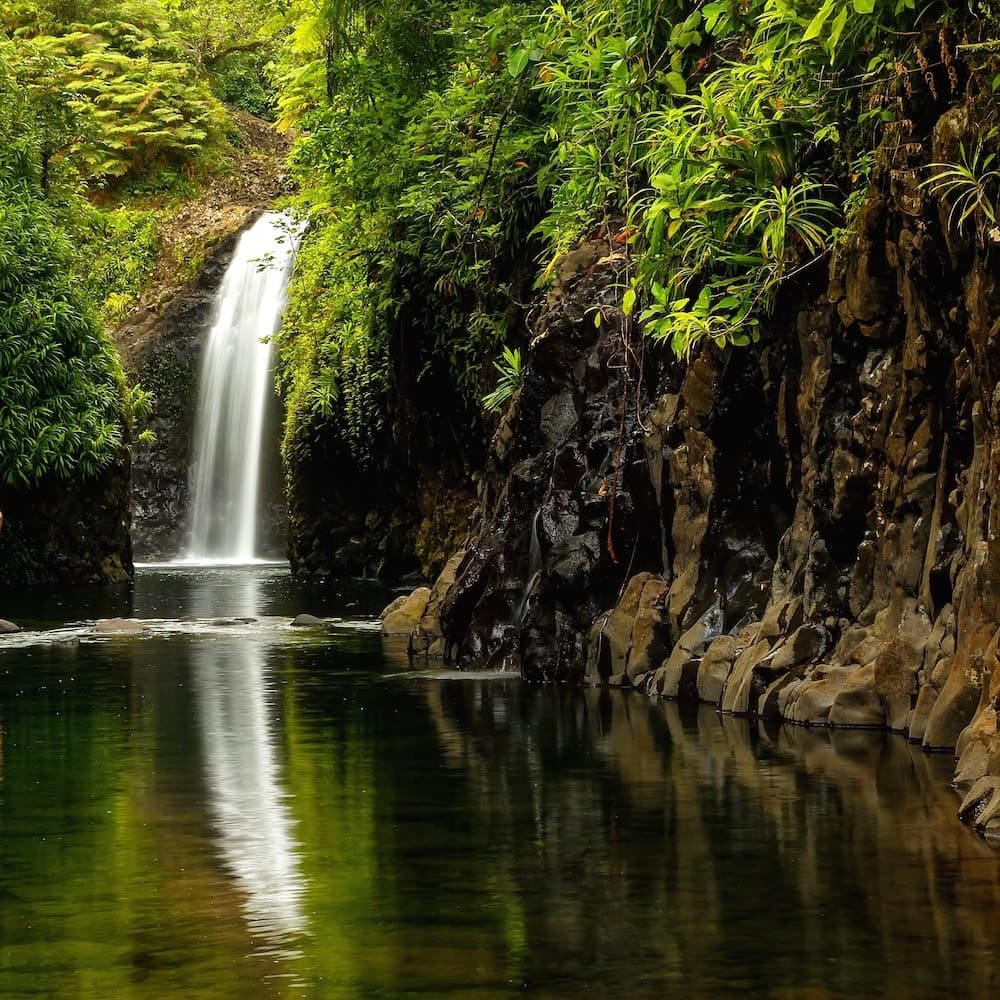
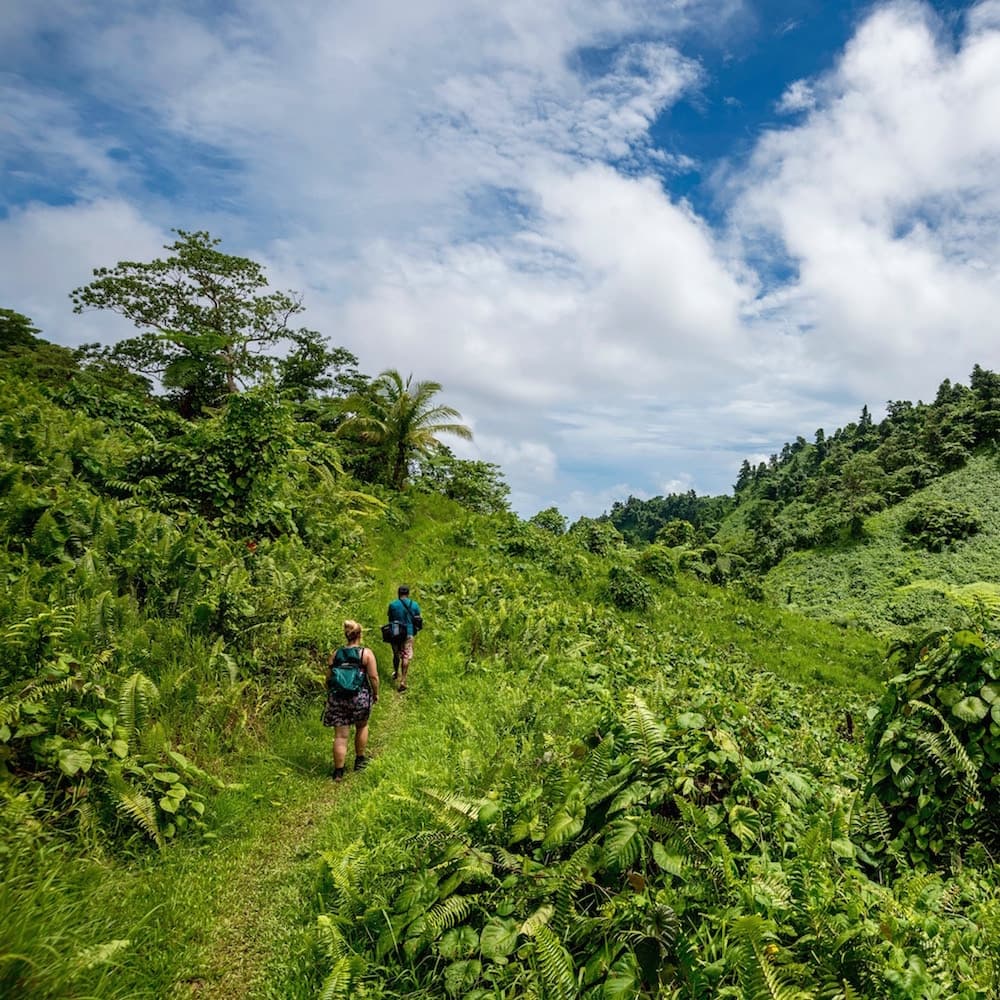
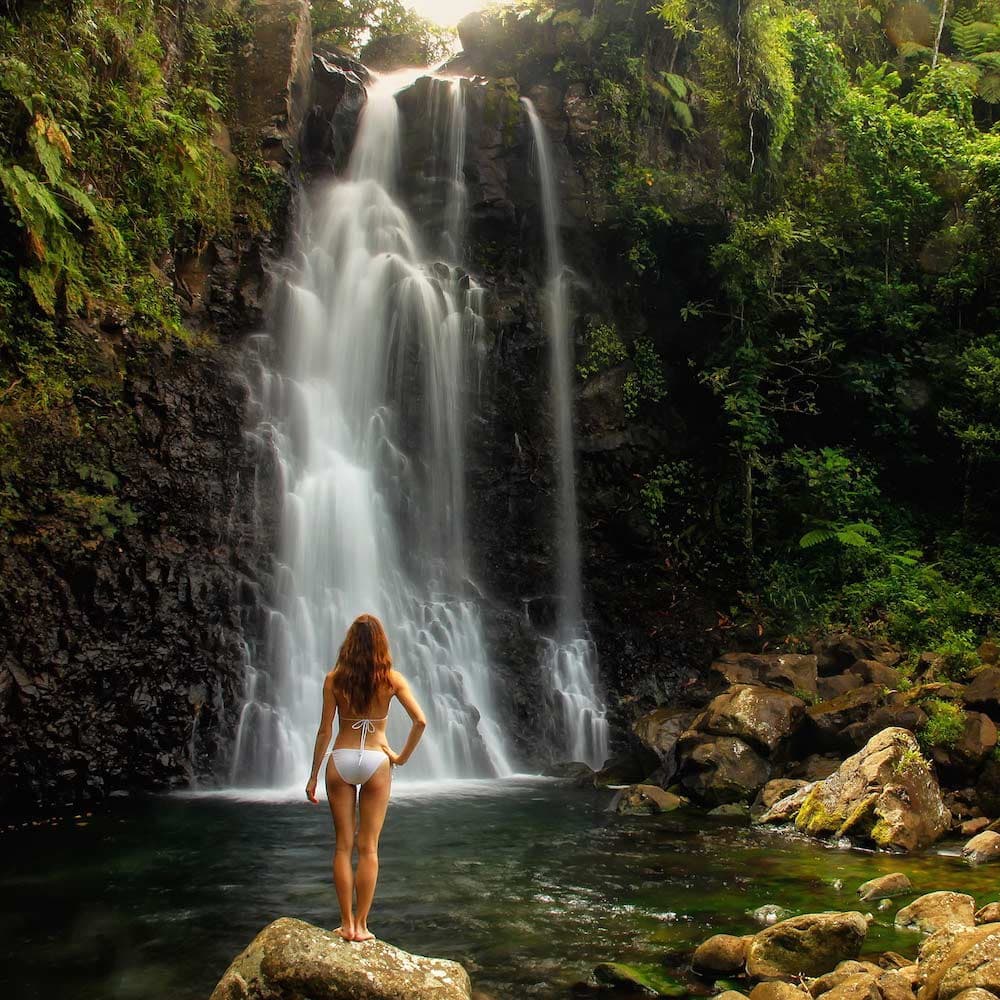
Spring in Bouma National Heritage Park is a period of rejuvenation. The park, fresh from the wetter months, is lush and vibrant with flora in full bloom. Waterfalls within the park flow strongly, fed by the preceding rains, making this the perfect time for trekking and photography. The temperature is comfortably warm, and the clear skies provide great lighting for capturing the stunning scenery. Bird watchers will particularly enjoy this season, as many native species are more active.
Summer brings drier days to Bouma National Heritage Park, ideal for exploring its famous Lavena Coastal Walk and the natural waterslides. The lower humidity and cooler evenings make hiking pleasant, allowing visitors to comfortably enjoy the panoramic views from various lookout points. Snorkeling conditions are excellent during these months, with clear waters offering great visibility to explore the vibrant coral reefs just off the coast. It’s a bustling period, with cultural festivals often taking place in nearby villages.
Autumn is a magical time at Bouma National Heritage Park as the heat of summer begins to wane. The park remains green and teeming with life, and the slightly cooler weather supports long days of outdoor activities without the intensity of summer sun. It's an ideal time for kayaking along the coast or visiting the Tavoro Waterfalls, as the water levels start to rise again, rejuvenating the streams and rivers that feed them.
Winter marks the wet season in Fiji, but don’t let the frequent showers deter you. Bouma National Heritage Park turns into a cascade heaven, with its waterfalls and rivers at their most dramatic. This is a unique time for those who don’t mind occasional rain and prefer a more solitary experience of nature. The rainforest is at its most lush, and the overcast conditions lend a mystical air to the landscape, perfect for photographers looking for moody, atmospheric shots. Plus, the park is less crowded, offering a more personal connection with nature.