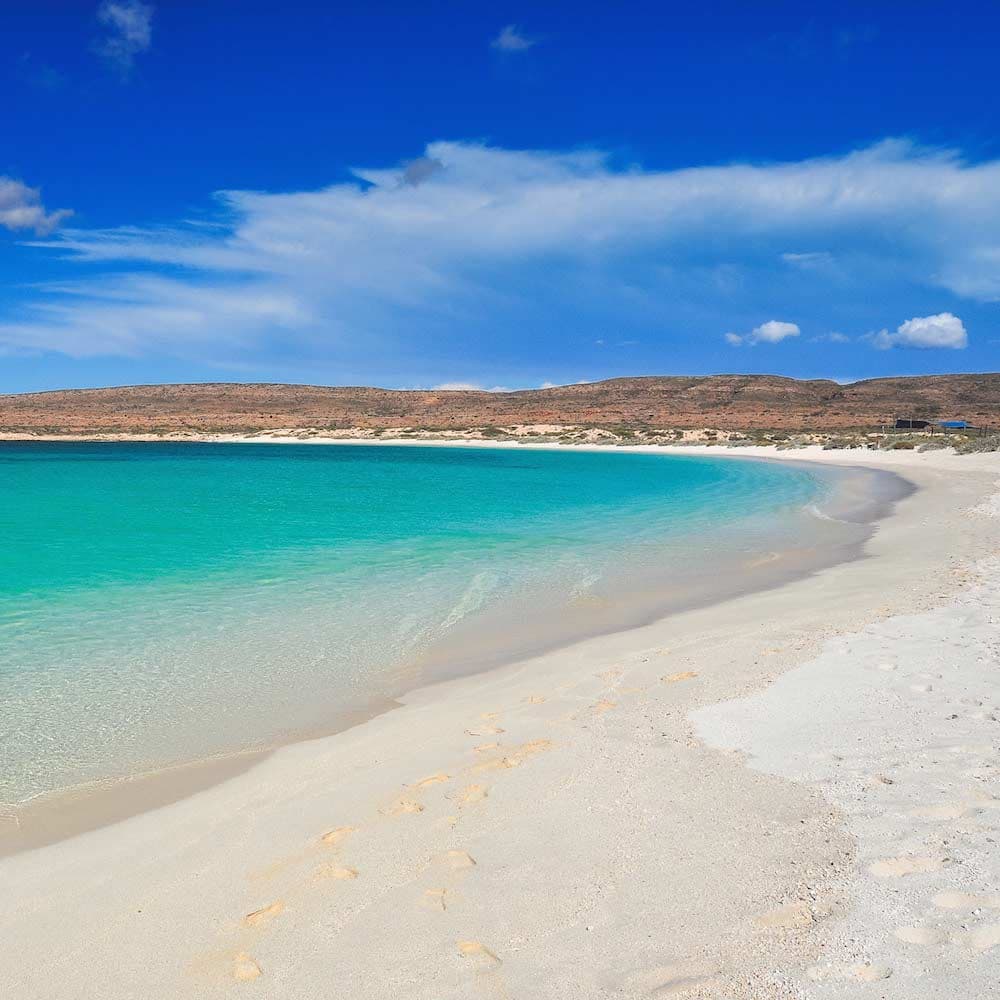
Visitors to Cape Range National Park in spring are greeted by a moderate climate and an awakening landscape. This season is renowned for wildflower blooms that pepper the rugged terrain with vivid colors. It's an ideal time for hiking and exploring the many trails as temperatures are comfortable, usually ranging between 20-25°C (68-77°F). Wildlife is particularly active, with kangaroos grazing in the cooler hours and an array of bird species starting their mating calls. Snorkelers and divers can enjoy clearer waters, as the winds start to ease, making for excellent conditions to explore the coral reefs of the Ningaloo Coast.
Summer brings the heat to Cape Range National Park, with daytime temperatures often soaring above 35°C (95°F). This is the most challenging time for on-land activities, so many visitors choose to take to the water. The warm waters of the Indian Ocean are perfect for swimming, snorkeling, and scuba diving, offering a respite from the heat and a chance to encounter the marine life of Ningaloo Reef, including the majestic whale sharks that frequent the area from November to June. Early mornings or late afternoons are the best times for land-based exploration to avoid the midday sun.
Autumn is a transitional period in Cape Range National Park with the environment starting to cool down from the summer highs. Daytime temperatures are more manageable, typically around 25-30°C (77-86°F), making it a great time for outdoor activities like walking trails and wildlife observation. The ocean remains warm, continuing to provide excellent conditions for water-based activities. It's also a great time for fishing enthusiasts, as many species are more active and abundant. As the landscape shifts, so does the wildlife, with the migration of birds and nesting of sea turtles on the beaches.
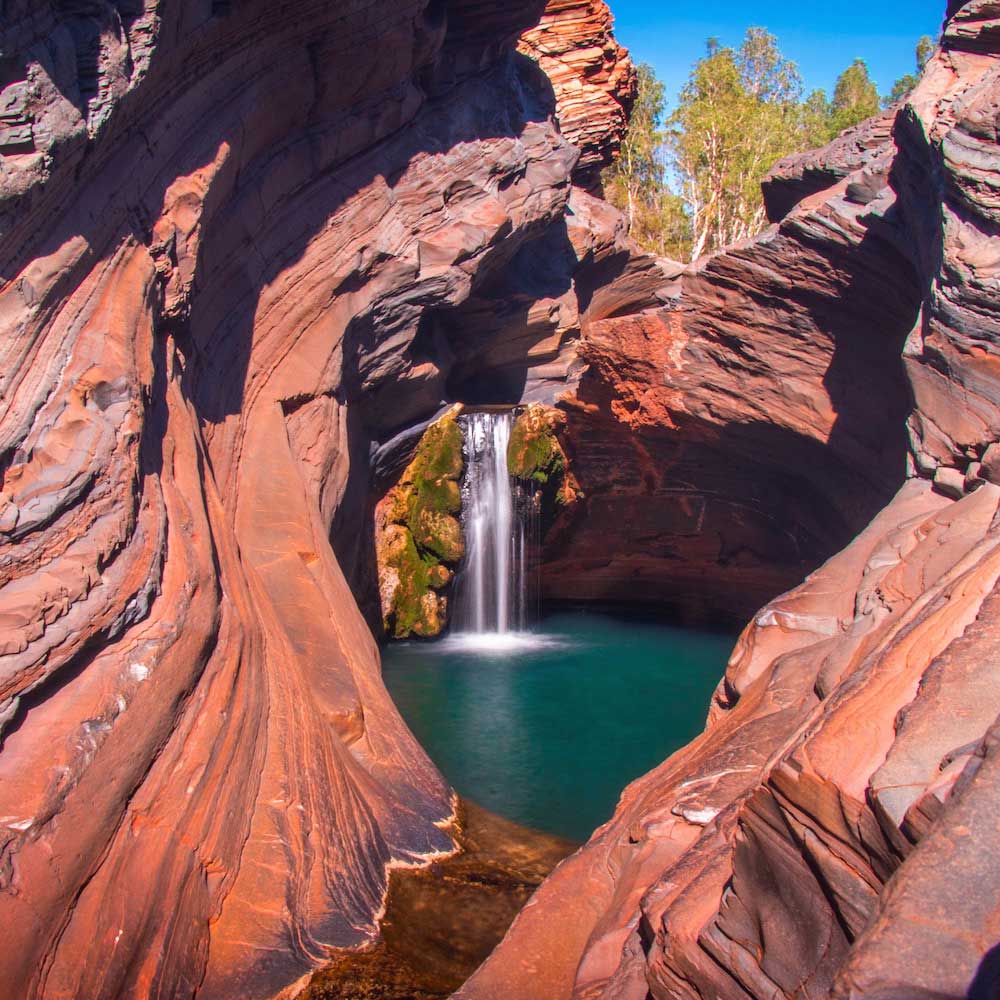
Winter is the peak season for Cape Range National Park, with daytime temperatures hovering around a pleasant 20°C (68°F). It’s the perfect time for outdoor adventures without the oppressive heat. The mild winter is ideal for exploring the gorges and canyons that define the park's topography. Hikers and photographers will find this season particularly rewarding with soft light casting over the dramatic landscapes. Although the water can be cooler, it's still possible to enjoy snorkeling and diving, with the chance to see humpback whales as they migrate along the coast. Visitors should pack layers, as nights can be cool and the sea breeze persistent.