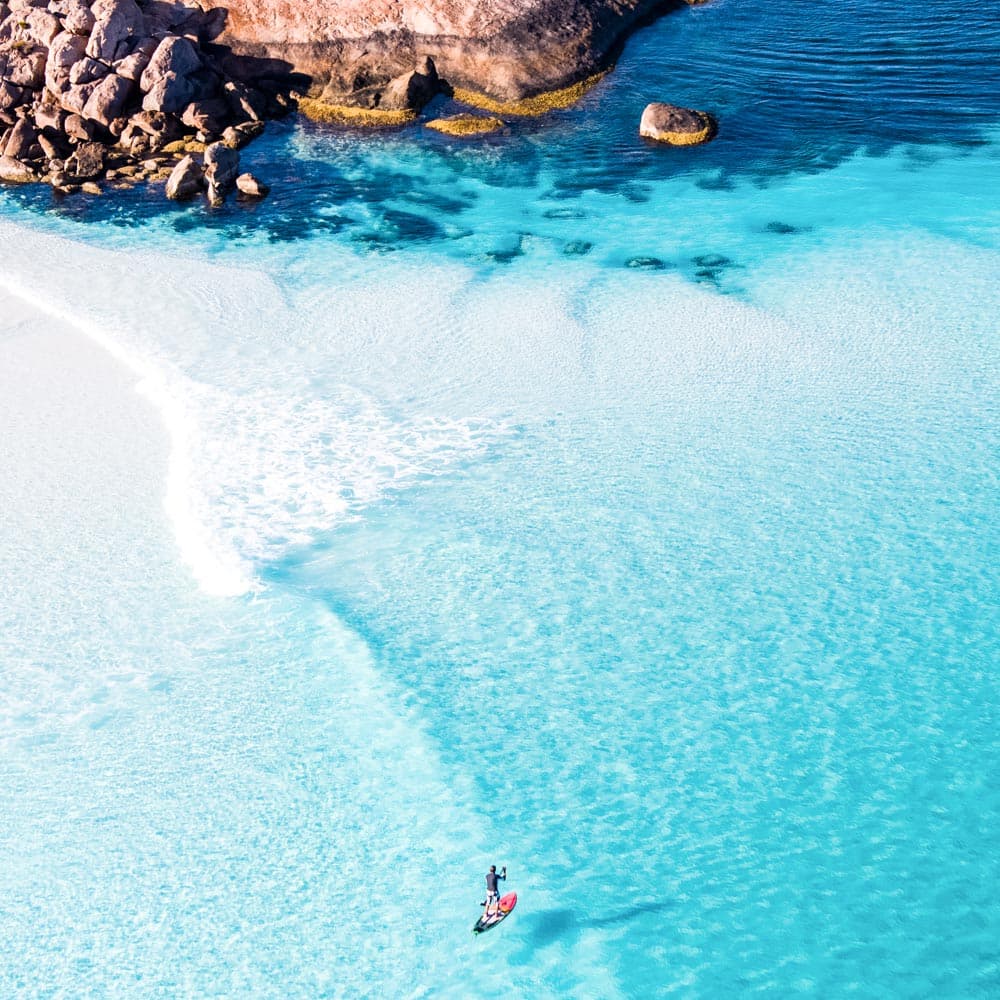
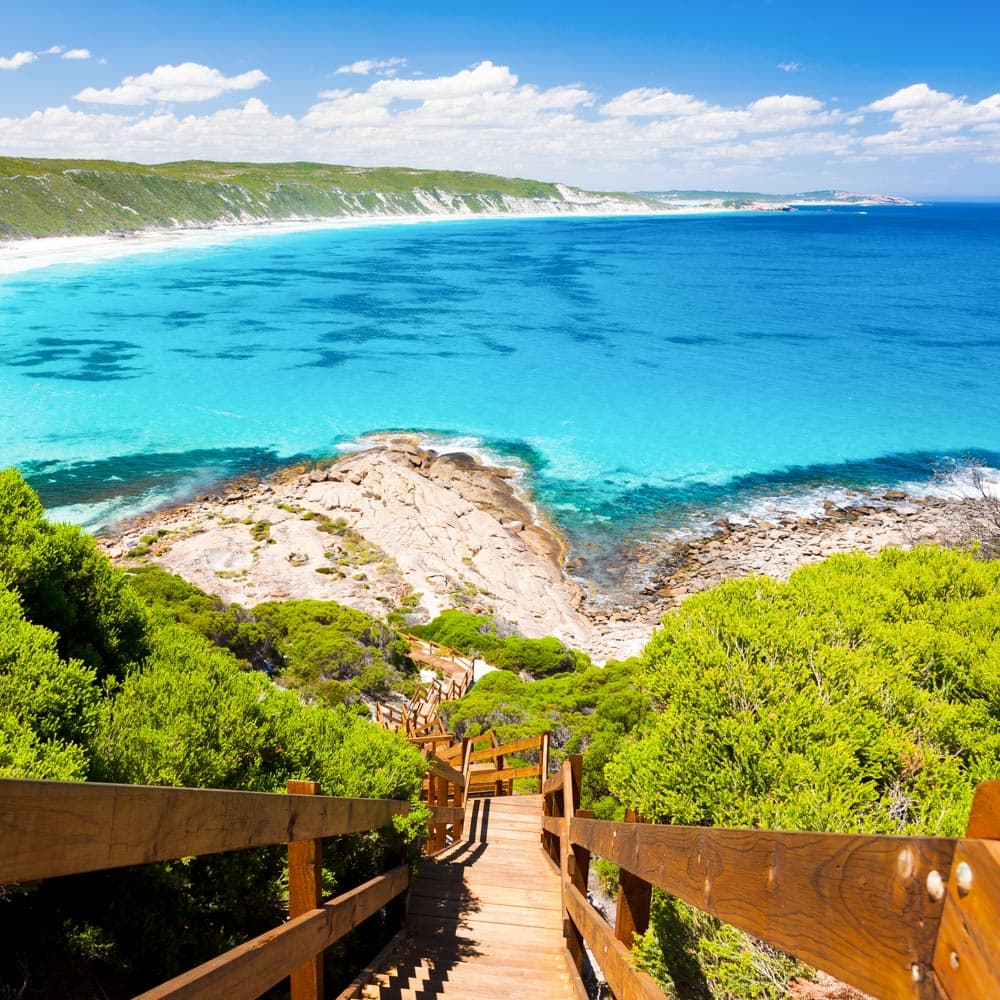
As wildflowers burst into bloom, Spring is an incredible time to visit Cape Le Grand National Park. The landscape is colored in vibrant hues of pink, yellow, and blue, providing a scenic backdrop for hiking and nature photography. Kangaroos are often seen lounging on the beaches, making for some iconic Australian photo opportunities. Spring is a milder season, so it's a great time to engage in outdoor activities like fishing and kayaking without the intense heat of summer. The park's famous beaches—Lucky Bay, Hellfire Bay, and Thistle Cove—are less crowded, giving you plenty of space to enjoy the turquoise waters and white sand.
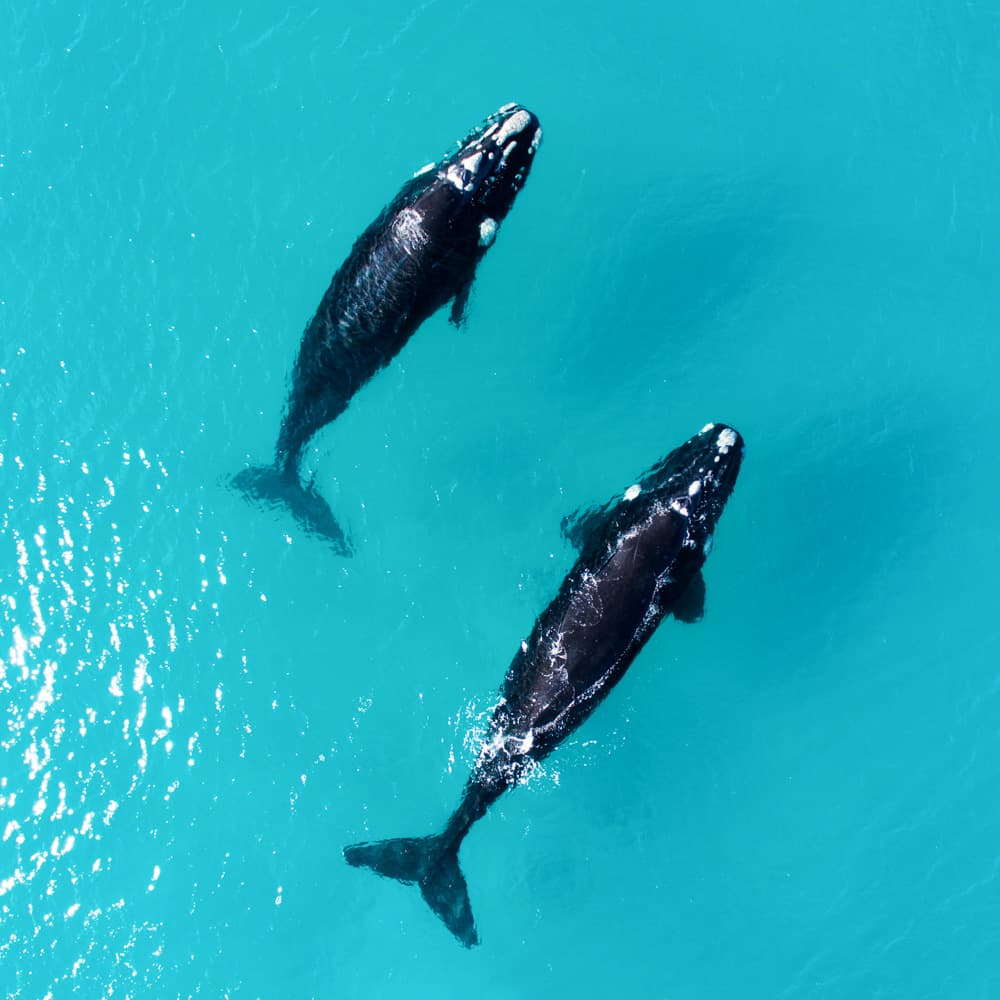
Summer in Cape Le Grand is all about the beach. The weather is hot, and the skies are generally clear, making it the perfect setting for swimming, snorkeling, and diving. Lucky Bay is renowned for its crystal-clear water and is considered one of the most beautiful beaches in Australia. However, be prepared for larger crowds as the park is a popular summer destination. For those who love to hike, the mornings offer cooler temperatures suitable for exploring. Just be cautious of the heat in the afternoon and stay hydrated. Offshore, it's also an ideal time for whale watching, as Southern Right Whales are often seen along the coast.
As the weather starts to cool, Autumn becomes a favored time for hiking and exploring the more rugged aspects of the park. The Granite and Woodlands Discovery Trail is particularly beautiful this time of year, providing a challenging trek with panoramic views of the landscape. Wildlife is abundant; you might encounter pygmy possums, bandicoots, and a variety of bird species as you venture through the park. The beaches are less crowded than in the summer, and the water is still warm enough for a comfortable swim. The sunsets during this season are especially stunning, painting the sky in shades of orange and red that reflect off the granite peaks.
Winter provides a completely different experience in Cape Le Grand National Park. While the temperatures drop, it rarely gets bitterly cold, making it a unique winter destination. This is the best season for those interested in a quieter, more reflective visit. You can take long walks on the deserted beaches, feeling as if you have the whole park to yourself. The waves become more robust, offering exciting opportunities for experienced surfers. On land, the winter rains rejuvenate the flora, making the park a lush green haven. It's a perfect season for photography, capturing the stark contrast of green landscapes against the gray winter skies.