Spring means unpredictable weather. While you might encounter some sunny days, be prepared for rain and even a late-season cold snap. The upside is that you'll see fewer tourists than in the summer, giving you more space to explore. If you're interested in wildlife, this is when migratory whales are visible off the coast. The inland areas start to green up, making for some nice scenic drives, but bring layers and maybe even a waterproof jacket.
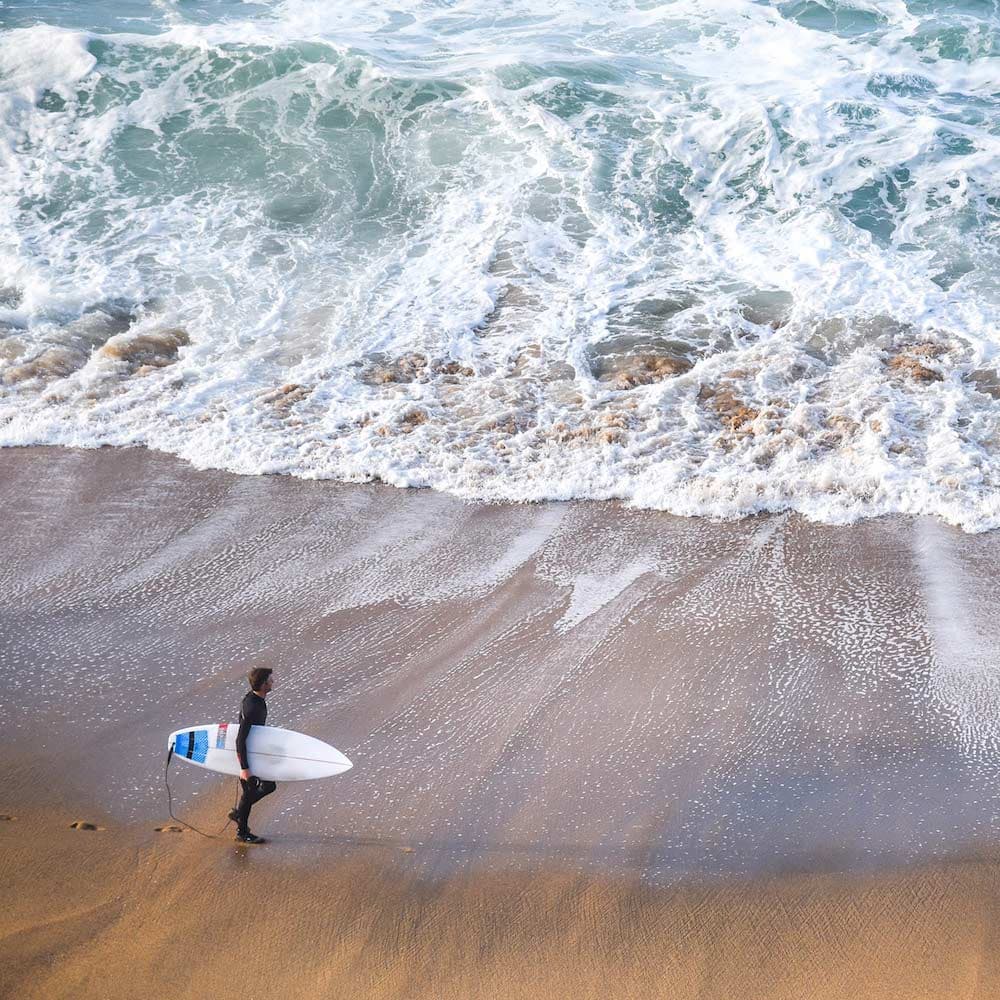
Expect crowds, especially around Christmas and New Year, when Australians are on holiday. The beaches along the route like Torquay and Lorne will be packed. Surfing conditions are generally good, but you'll have plenty of company in the water. Accommodation prices spike, so book well in advance. Traffic can be congested, particularly on weekends and public holidays, so factor that into your planning.
The crowds thin out in autumn, making it a good time for a less hectic visit. The weather can still be quite warm in the early part of the season, but it starts to cool down by May. It's also a good time for foodies, with various local produce like berries and seafood being in season. While the landscape isn't as colorful as areas with deciduous forests, the milder temperatures make outdoor activities like hiking more enjoyable.
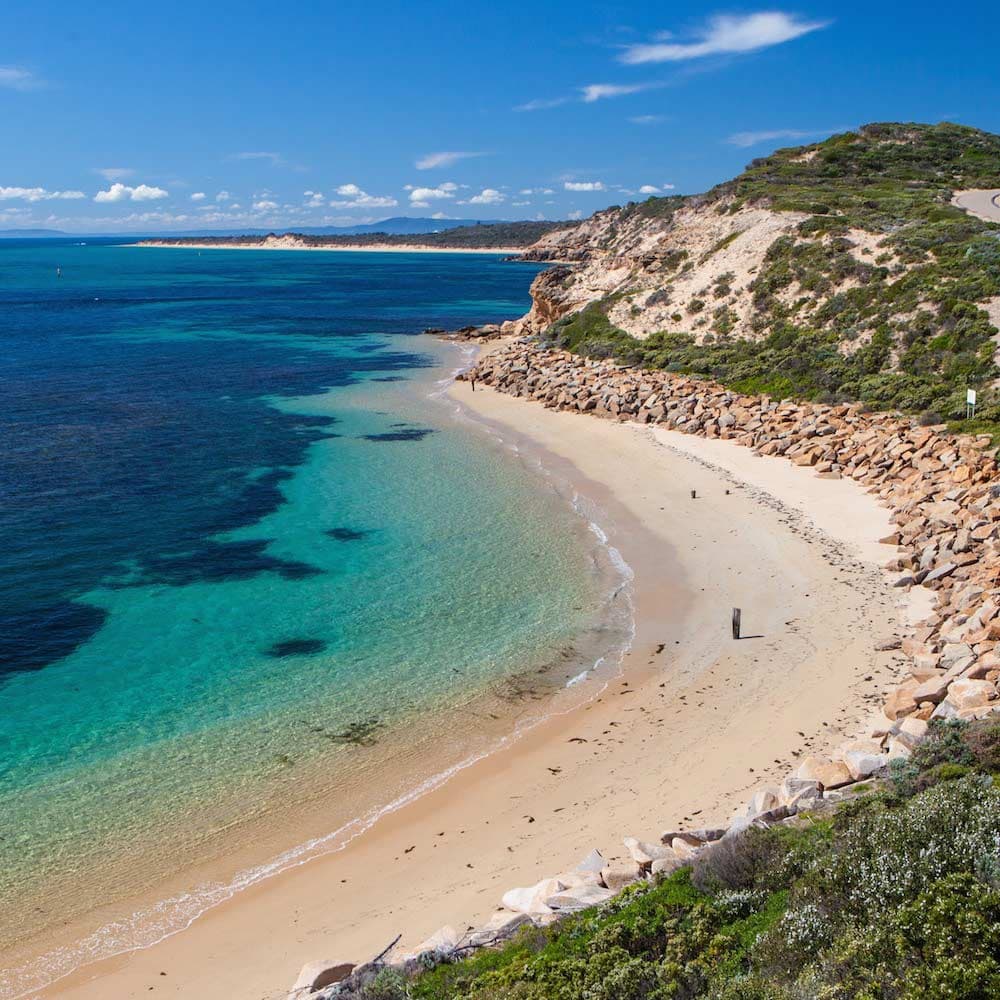
Winter is the low season and offers the most solitude but comes with challenges. Many local businesses operate on reduced hours or close entirely. While the iconic limestone formations like the Twelve Apostles are impressive year-round, be prepared for strong winds and rain that can make outdoor activities less pleasant. On the flip side, accommodation is generally cheaper, and you can enjoy the rugged coastline without the crowds. Just pack accordingly, keeping in mind that temperatures can drop significantly, especially in the evenings.