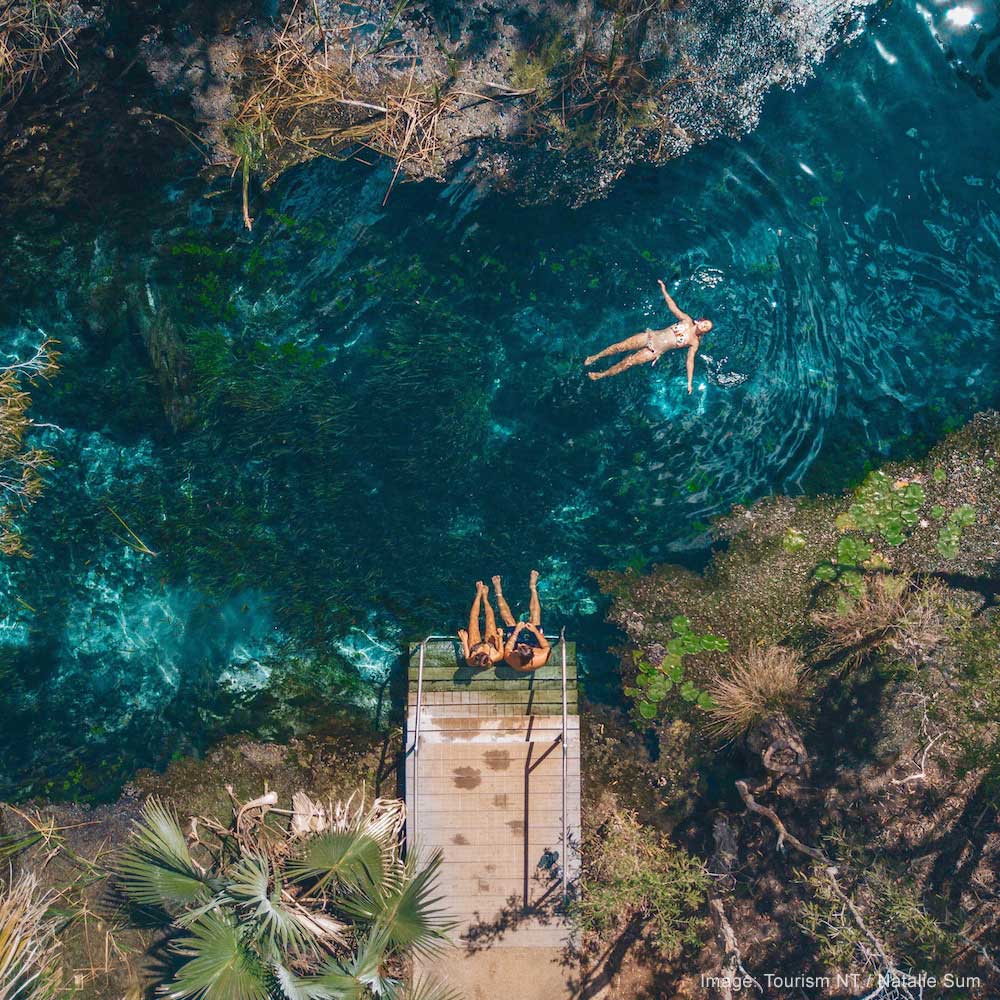
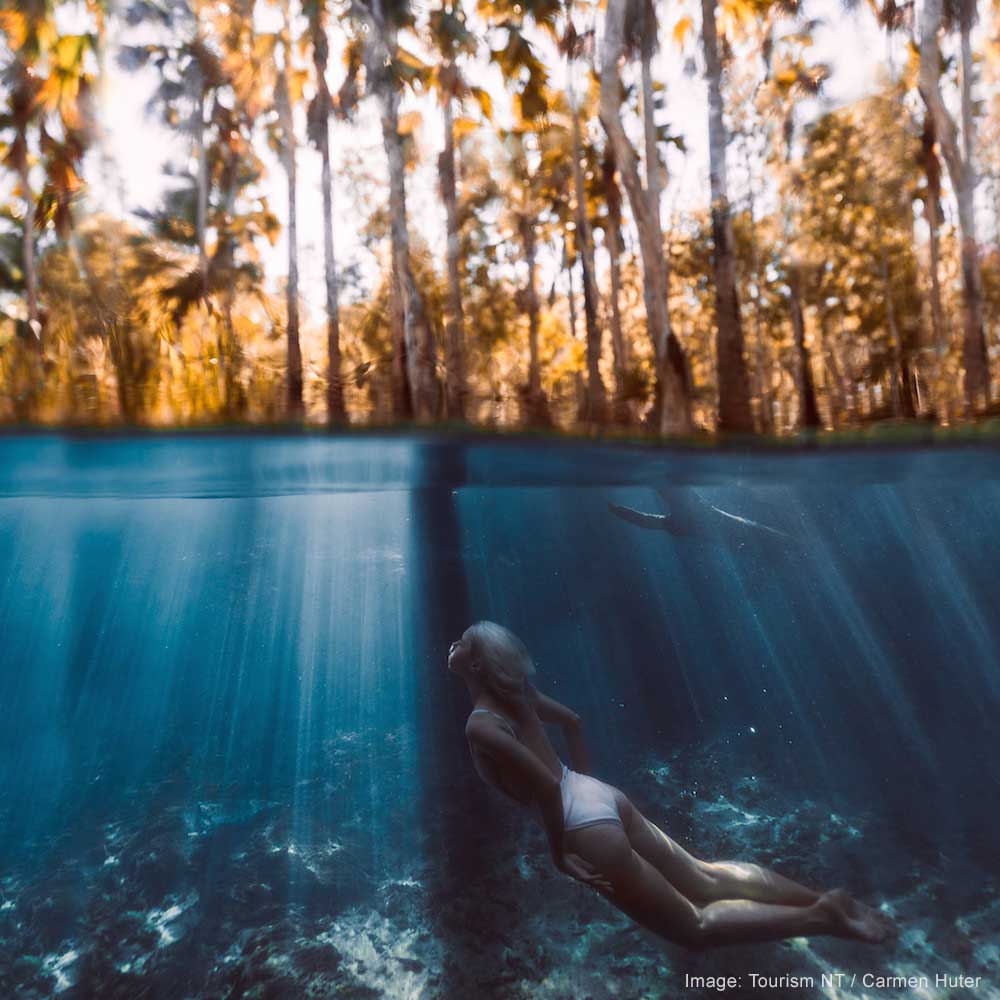
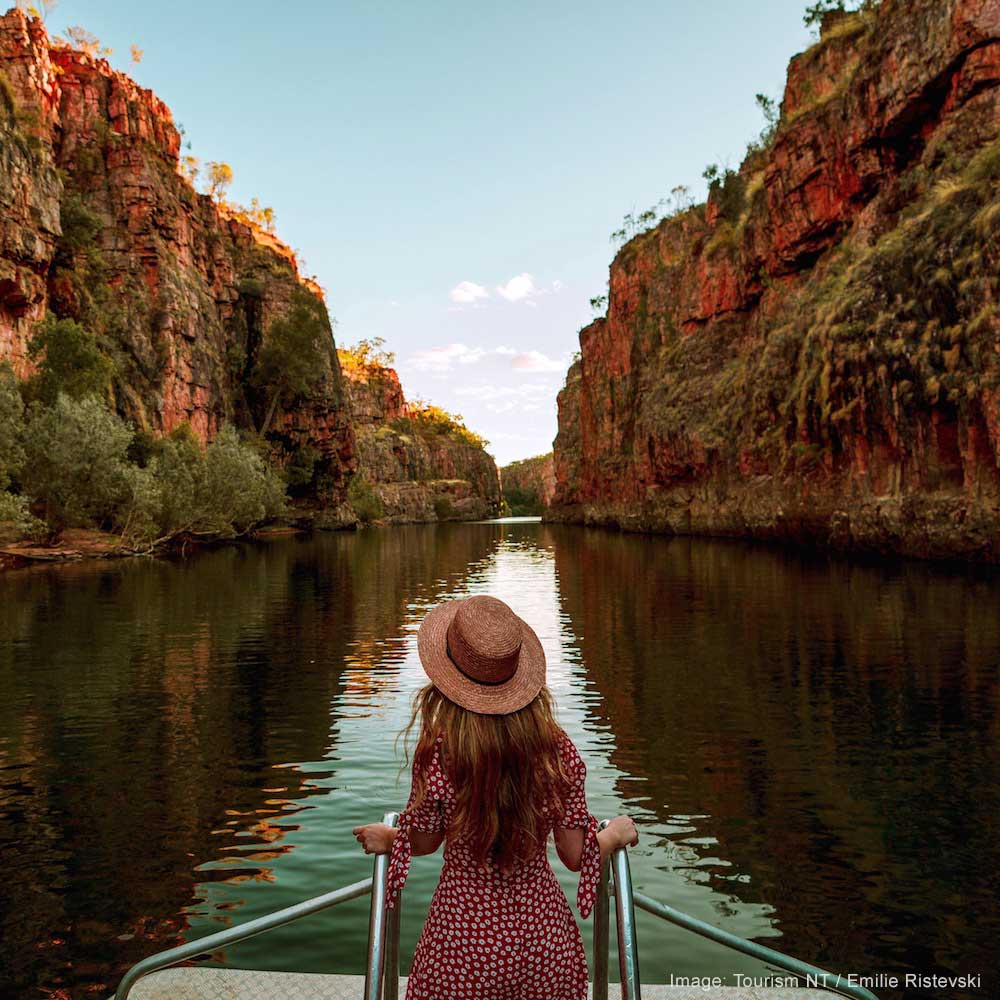
As the grip of the dry season loosens, Elsey National Park begins to blossom with new life during spring. The weather is comfortably warm, and the clear blue skies offer a perfect backdrop for exploring. Waterways start to swell, and the Roper River is particularly inviting for a refreshing swim. This is an ideal time for bird watching, as migratory species return and the sounds of the bush are amplified with their songs. Wildflowers carpet the landscape, providing a colorful tapestry that makes hiking and photo opportunities exceptionally rewarding.
Summer in Elsey National Park is a season of abundance but also one of extreme heat and humidity. The park transforms into a lush, green world with the full onset of the wet season. Waterfalls are at their most spectacular, thundering with the influx of rain. Visitors should be prepared for heavy downpours and the possibility of impassable roads due to flooding. The vibrant greenery and the dramatic thunderstorms provide a unique atmosphere for the adventurous soul. It’s also a time when wildlife, including native reptiles and amphibians, are most active and visible.
With the wet season winding down, autumn provides a period of transition in Elsey National Park. The weather remains warm, but the rain eases, making it easier to explore the network of walking tracks. The receding waters reveal sandy riverbanks perfect for picnics and relaxation. It's an excellent time for fishing as the barramundi are more accessible, and the clearer waters make boat trips more enjoyable. The park’s flora starts to transition, with some trees shedding their leaves, creating a rustic, golden hue throughout the landscape.
Winter is often considered the ideal season for visiting Elsey National Park, with clear, sunny days and mild temperatures. This is the peak season for tourism due to the comfortable conditions. The lower humidity levels make outdoor activities like hiking and exploring the thermal springs at Mataranka more pleasant. This is also when the park's wildlife, such as wallabies, kangaroos, and various bird species, are most likely to be spotted basking in the cooler conditions. With the water levels at their lowest, more areas of the park are accessible, and the night sky is spectacular for stargazing, unhindered by the moisture of other seasons.