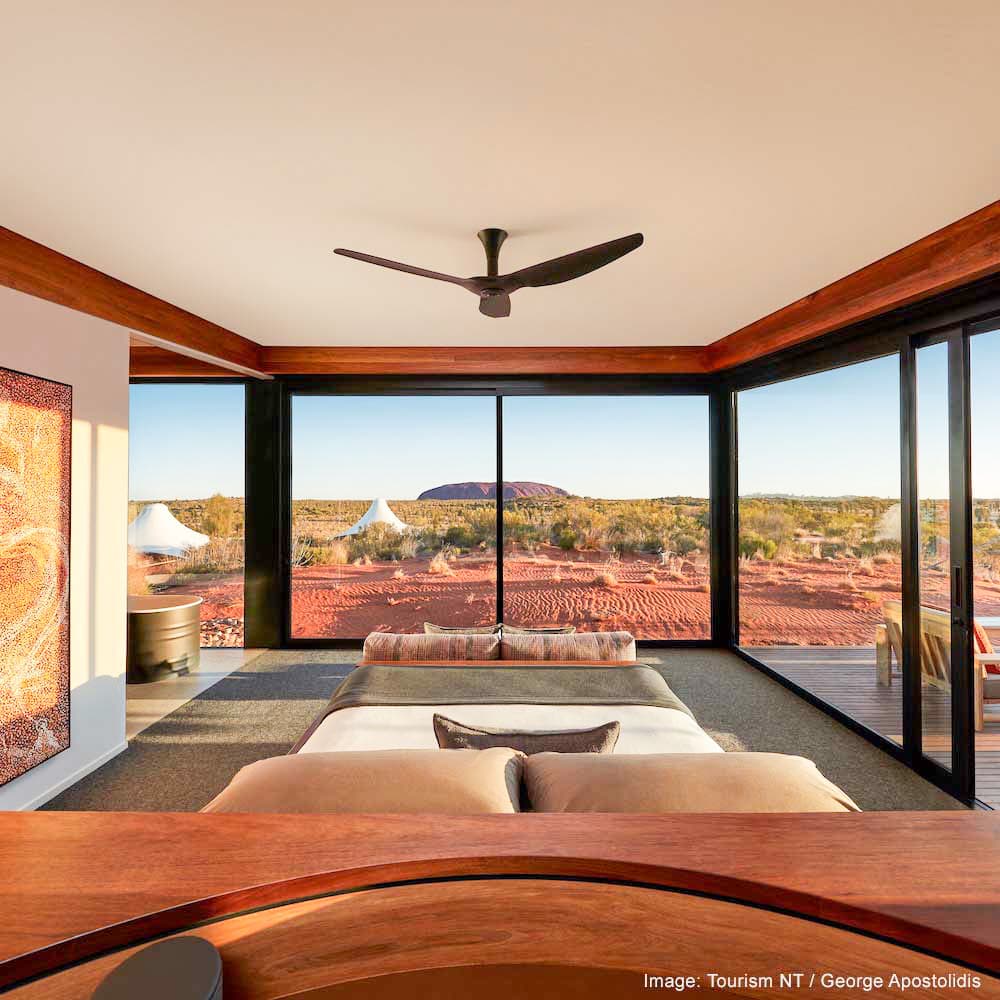
Spring in Uluru is a magical time when the surrounding desert landscape slowly comes to life. As temperatures start to rise, you'll find a moderate climate that's neither too hot nor too cold, making it ideal for exploring. Wildflowers begin to bloom, providing a splash of color against the rich reds and browns of the desert. This is the season when you'll want to get out and hike around the base of Uluru, exploring the unique flora and fauna that call this sacred place home. While the evenings can still be quite cool, daytime temperatures are generally comfortable. But don't be fooled; the Australian sun is strong, so make sure you're well-prepared with sunscreen, hats, and plenty of water.
Visiting Uluru in the summer is a venture for those who can tolerate extreme heat. Daytime temperatures can easily soar above 100°F (37°C), so most activities are best scheduled for early morning or late afternoon. The intense sunlight sets the iconic monolith ablaze in a vivid red hue, a spectacle that's both beautiful and awe-inspiring. Due to the heat, it's essential to take necessary precautions, such as staying hydrated and avoiding strenuous activities during peak sun hours. However, the summer months do offer the benefit of fewer tourists, so you'll have a more solitary experience with the natural wonder.
Autumn is another ideal time to visit Uluru, as the intense summer heat begins to wane, making outdoor activities more enjoyable. The daytime temperatures are warm but bearable, and the evenings become increasingly cool, ideal for stargazing. This season offers an array of colors; as the sun sets, Uluru appears to change shades, offering a remarkable visual display that transitions from burning orange to deep red and finally to a smoky purple as night falls. It's a photographer's dream, capturing the many moods of this ancient rock formation. Also, due to the more moderate climate, you're likely to find a mix of travelers, making it a socially enriching time to visit.
Winter brings a stark but serene beauty to Uluru. Daytime temperatures are much cooler compared to other seasons, and nights can be quite cold, sometimes even dropping below freezing. While you'll need to bundle up, the crisp air and clear skies provide unparalleled views of both the rock and the expansive night sky, offering some of the best stargazing opportunities. Winter is also a time when many of the park's guided tours operate, providing valuable insight into the cultural and geological significance of Uluru. While the cooler temperatures mean you won't be sweating it out under the hot Australian sun, remember to still take precautions against dehydration and sun exposure.