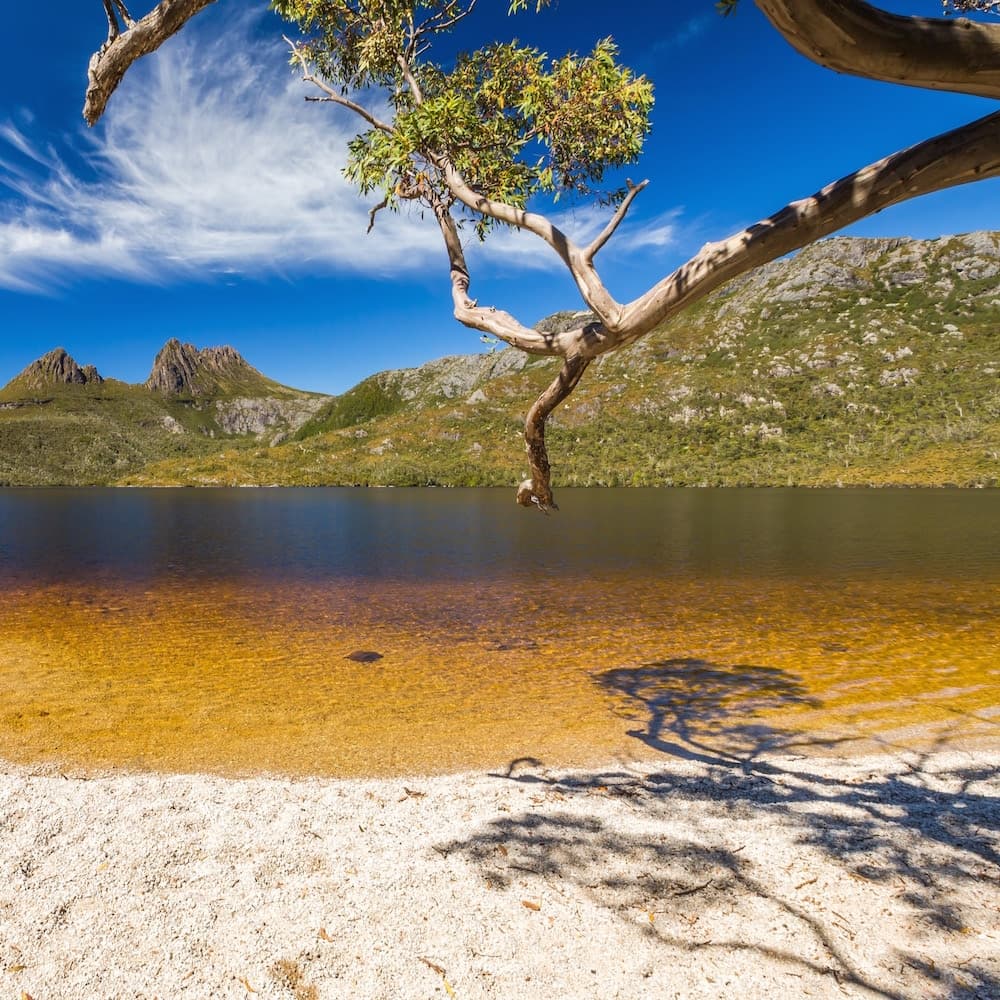
Spring in Cradle Mountain-Lake St Clair National Park offers a renaissance of nature as the snow starts to melt, revealing lush landscapes below. As the days become longer, the alpine heathlands and rainforests explode with color from wildflowers, including waratahs and orchids, creating a picturesque setting for keen photographers. The temperate climate makes it an ideal time for hiking, with numerous trails, from the gentle to the challenging, beckoning the adventurous at heart. This season also marks the beginning of the wombat and Tasmanian devil breeding period, giving visitors a chance to witness these unique creatures in their natural habitat.
The peak of summer welcomes visitors to Cradle Mountain-Lake St Clair National Park with warmer temperatures and an abundance of wildlife activity. This is a popular time for trekking the famous Overland Track, a 65-kilometer journey that offers breathtaking views of the park's diverse landscapes. The longer days allow travelers to maximize their outdoor adventures, whether it's canoeing in Lake St Clair or exploring the extensive cave systems. While the weather can be unpredictable at times, with occasional rain showers, the verdant scenery and shimmering lakes offer a refreshing respite.
As the deciduous beech trees turn a brilliant shade of gold and rust, autumn at Cradle Mountain-Lake St Clair National Park becomes a visual feast. The crisp air is invigorating, and the cooler temperatures make it perfect for those looking to avoid the summer crowds. The season is also ripe for fungi enthusiasts; the forest floors come alive with a myriad of fungi in all shapes, sizes, and colors. Autumn also offers clearer skies, making it an opportune time for stargazers to catch a glimpse of the ethereal Southern Lights, Tasmania's answer to the Northern Lights.
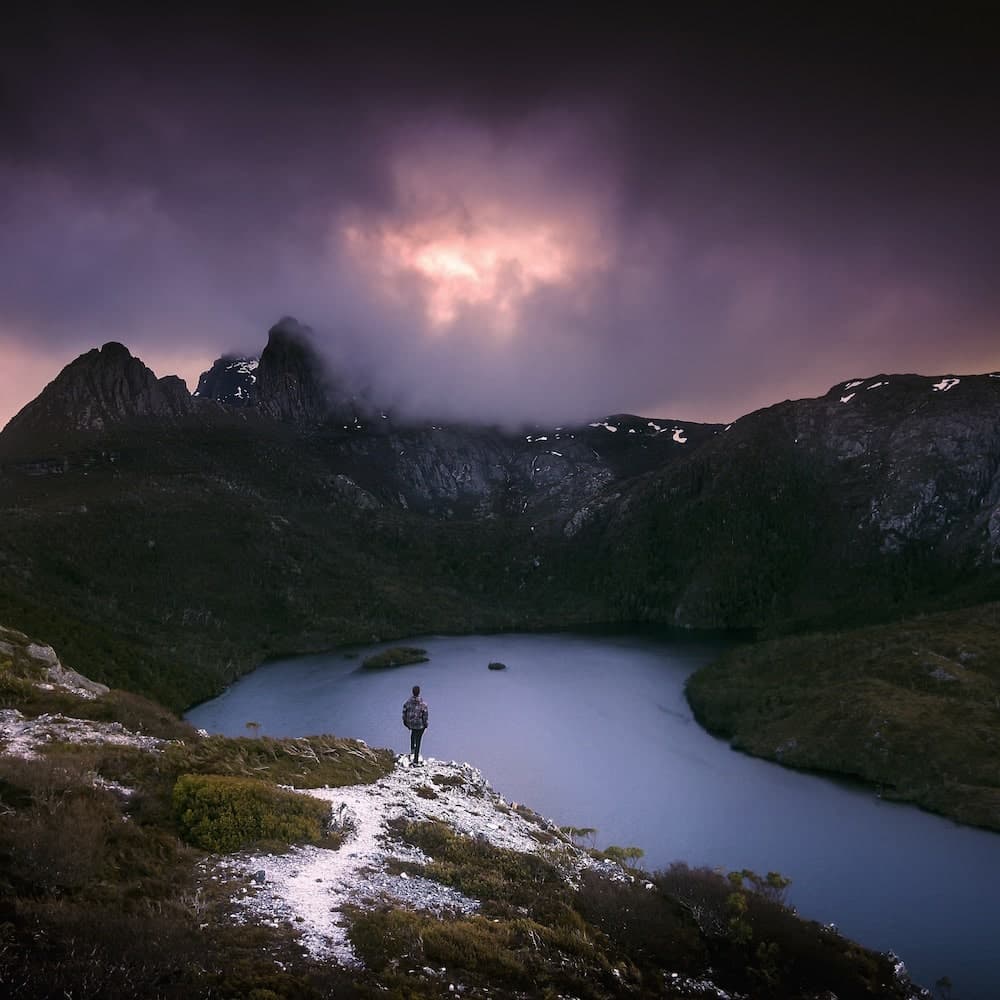
Winter transforms Cradle Mountain-Lake St Clair National Park into a snowy wonderland, with the rugged mountain peaks capped in white and Dove Lake reflecting the icy vistas. While some of the tracks may be snow-covered, it's a magical time for photography and snowshoeing adventures. The chillier temperatures bring a serenity to the park, as many of the native animals, like wombats and wallabies, can be seen foraging for food against the snowy backdrop. Though the days are shorter and colder, the sheer beauty of the snow-clad landscapes makes it a dream destination for those seeking a winter escape.