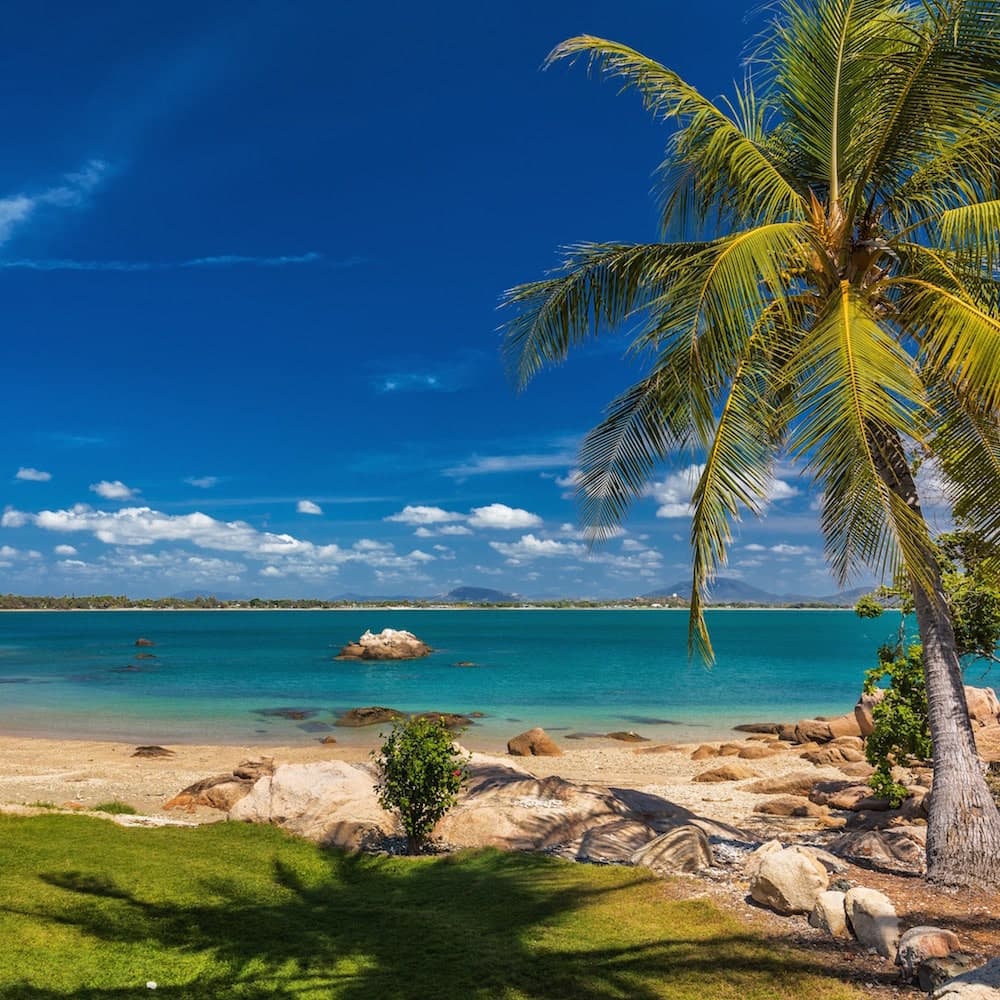
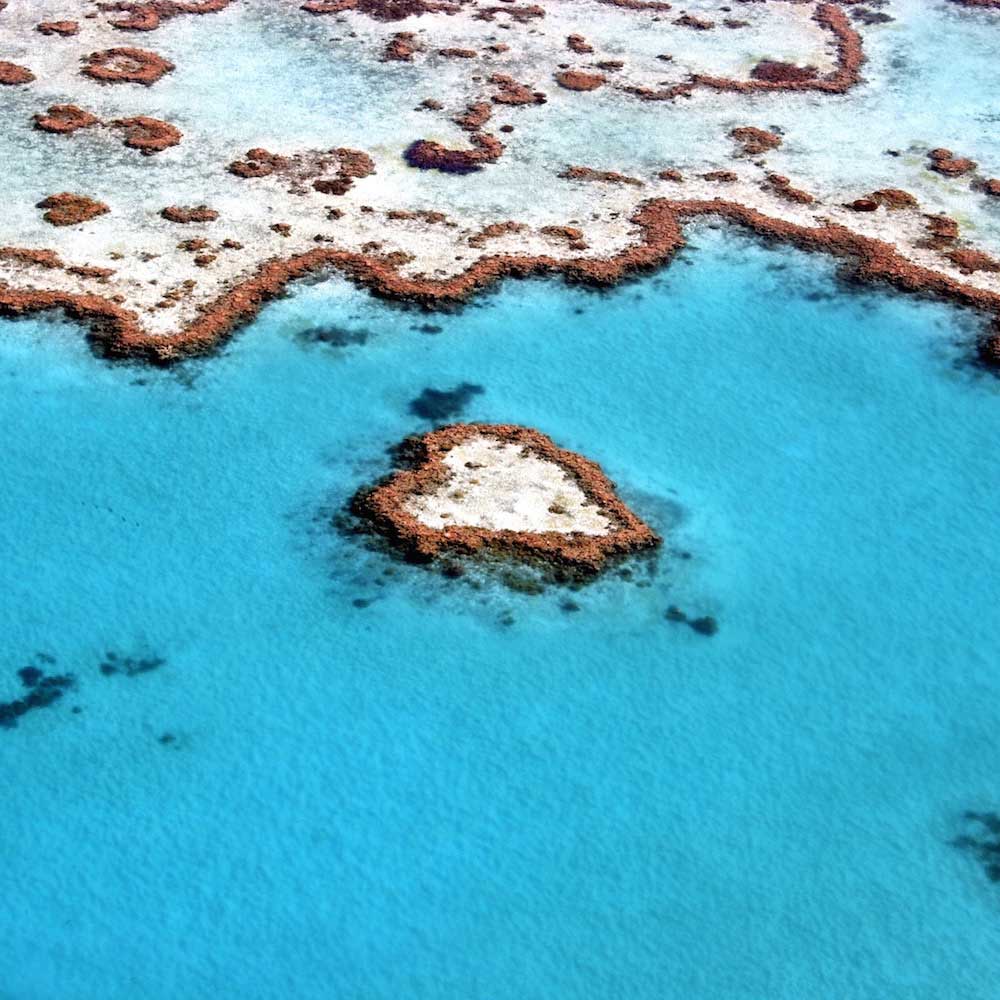
Spring is a splendid time to visit the Great Barrier Reef as the weather starts to warm up, but before the arrival of stinging marine creatures like box jellyfish. The sea temperatures are comfortable, ranging from 24-27°C (75-81°F), making it ideal for snorkeling and diving. The water visibility is excellent during this time, allowing divers to have a clear view of the underwater world. This season is also an excellent time to witness the coral spawning, a natural spectacle where colonies of coral release eggs and sperm en masse, ensuring the next generation of coral reefs.
Summer brings warm waters and lush, vibrant colors to the Great Barrier Reef. The temperatures can be hot, ranging from 30-35°C (86-95°F), but the warm sea waters (28-30°C or 82-86°F) make for comfortable swimming, snorkeling, and diving experiences. However, visitors should be cautious of stinging jellyfish during this season, and many opt for "stinger suits" for protection while swimming. Summer is also the time when green sea turtles come ashore to lay their eggs on the islands, offering a unique wildlife observation opportunity.
Autumn offers a respite from the summer heat with cooler air temperatures, ranging from 25-29°C (77-84°F), while the water temperatures remain warm. This is another good period for diving and snorkeling, with less rainfall improving water clarity. Fish are abundant during this season, making it an excellent time for fishing enthusiasts. As the crowds from the summer months begin to thin, visitors can enjoy a more peaceful experience, taking in the stunning sunsets that are a hallmark of this season.
Winter is the peak season for whale watching, as humpback whales migrate through the area. While the air temperatures can get a bit cooler, ranging from 18-26°C (64-79°F), the water temperature remains fairly stable, around 22-25°C (72-77°F), allowing for enjoyable diving and snorkeling. The reduced humidity and less frequent rainfall during winter make it a comfortable time for exploring the islands and taking part in various water sports. The cooler weather also means fewer stinging jellyfish, providing a safer environment for swimming.