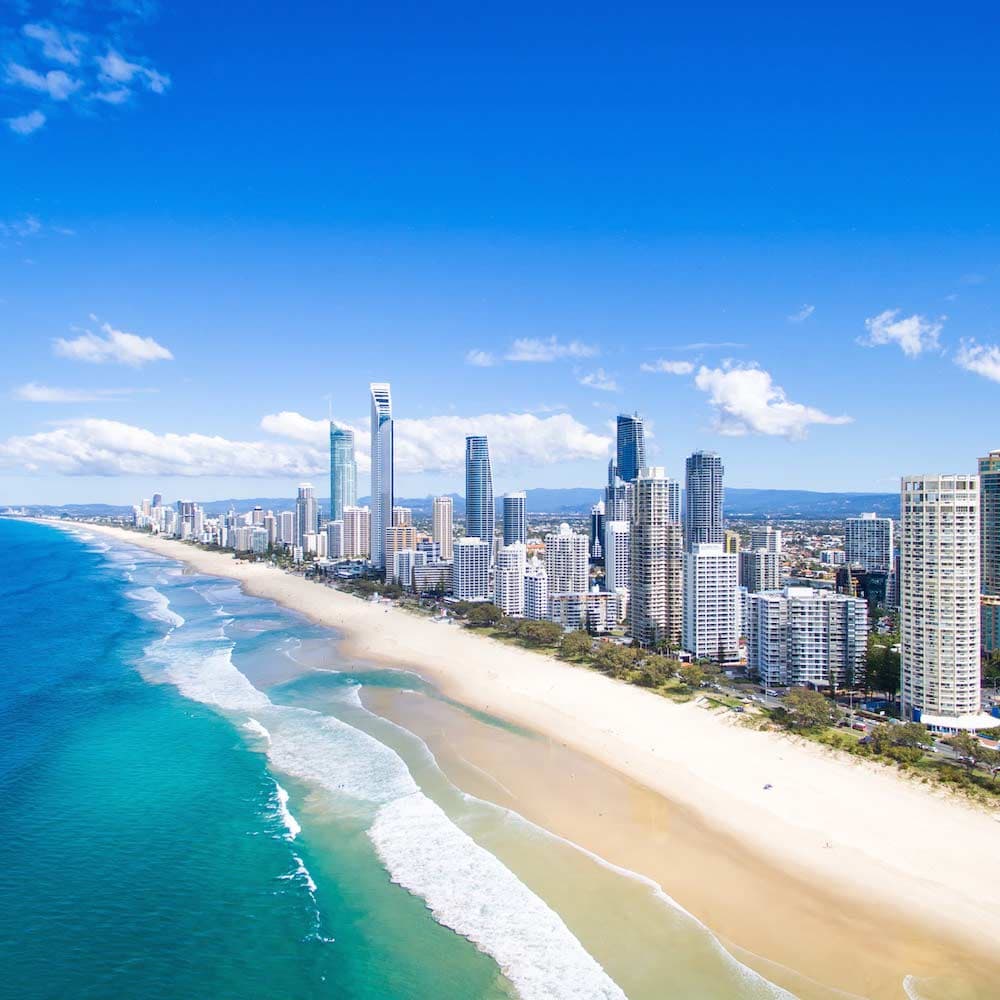
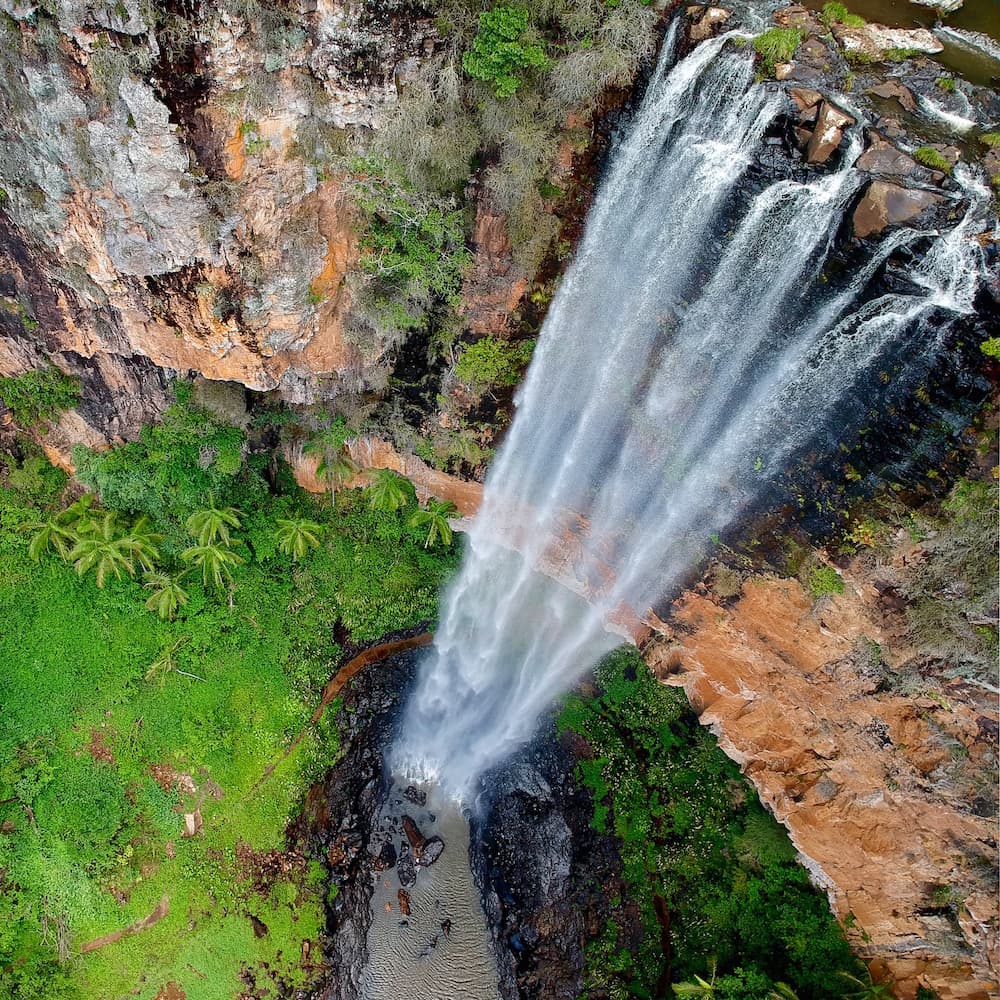
Spring in Coolangatta brings with it a sense of renewal as the flora and fauna come to life. The temperature starts to warm up, but it's not yet the peak heat of summer, making it a great time for outdoor activities like hiking and cycling. Surfing conditions are excellent, as the waves are consistent but not overpowering. Wildlife enthusiasts can also spot humpback whales migrating during this season. The famous Snapper Rocks, a popular surf break, is less crowded, allowing for a more relaxed surfing experience. Spring is also when the local festivals start ramping up, offering a glimpse into the region's rich culture and traditions.
Summer is the high tourist season in Coolangatta, with temperatures soaring and the beaches bustling with activity. This is the perfect time for beachgoers and water sports enthusiasts. The ocean is warm, and the days are long, providing ample time to indulge in activities like jet-skiing, paddleboarding, and snorkeling. However, it's essential to be prepared for the high UV levels, so don't forget your sunscreen! Summer nights offer a different kind of charm. The town comes alive with night markets, food stalls, and live music, making it a vibrant place to explore after the sun sets.
Autumn in Coolangatta offers a respite from the summer heat, yet it's still warm enough for beach activities. The ocean remains inviting, and the crowds start to thin out, making it an ideal time for those looking for a quieter experience. The skies during this season often provide dramatic sunsets, a delight for photographers and romantics alike. As the leaves change color, the hinterlands offer excellent opportunities for scenic drives and picnics. This season is also a great time to catch some of the local sports competitions, such as the Coolangatta Gold, one of the most challenging endurance races in the surf lifesaving calendar.
Winter is the off-peak season in Coolangatta, but that doesn't mean it's devoid of activities. The temperatures drop, making it a good time for those who prefer a cooler climate but still want to enjoy the beaches. Winter is also the best time for whale watching, as humpback whales make their journey back to Antarctic waters. While you might find fewer water sports on offer, this is made up for by the increase in cultural events like art shows and music festivals. The lesser crowds make it easier to explore local attractions at your own pace, and you'll often find discounted rates for accommodation and tours during this season.