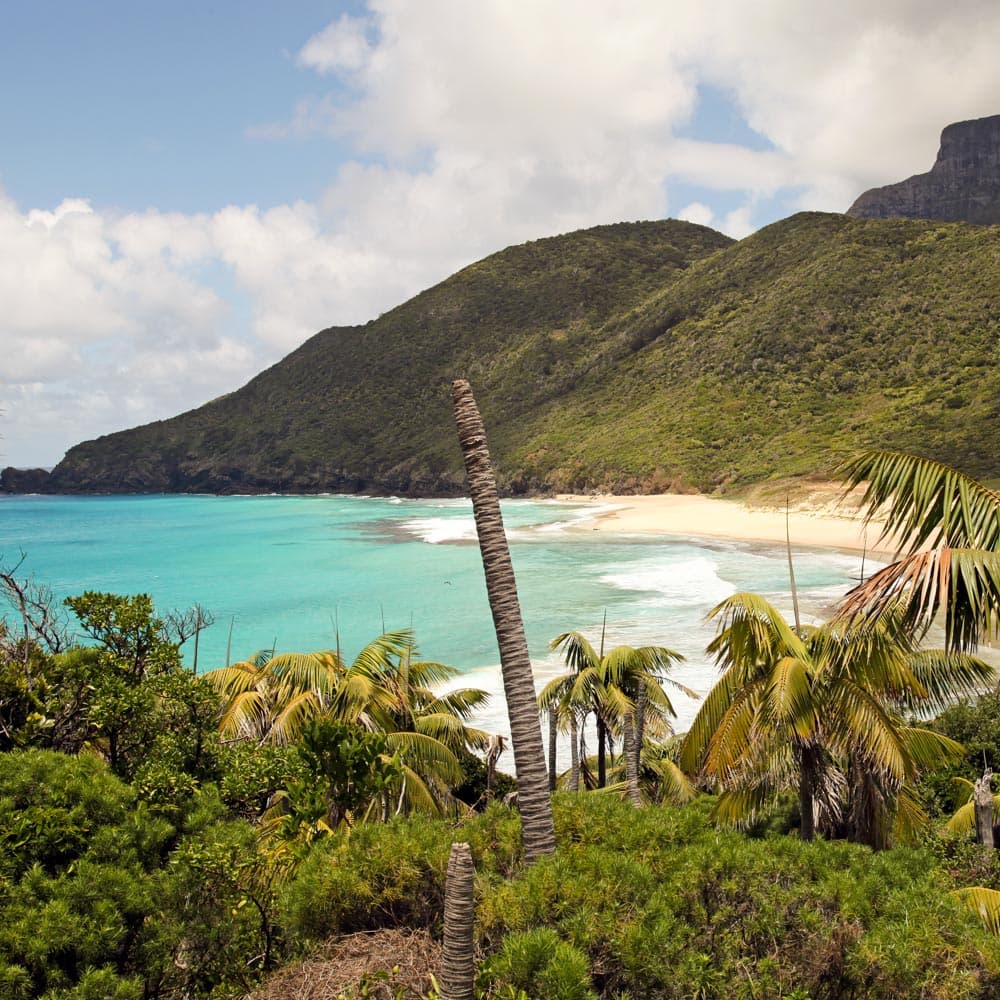
As the chill of winter dissipates, Rocky Point Reserve bursts into life with spring. Travelers are greeted by a mild climate and an island awakening in a riot of colors. The reserve's flora, including the endemic Lord Howe Island Palm, begins to flourish, setting a picturesque backdrop for hiking and photography. Birdwatchers will find this a prime time to visit, as migratory seabirds start to arrive, and the air is filled with their calls. This season also offers the perfect conditions for snorkeling in the clear waters, providing a glimpse of the vibrant marine life without the summer crowds.
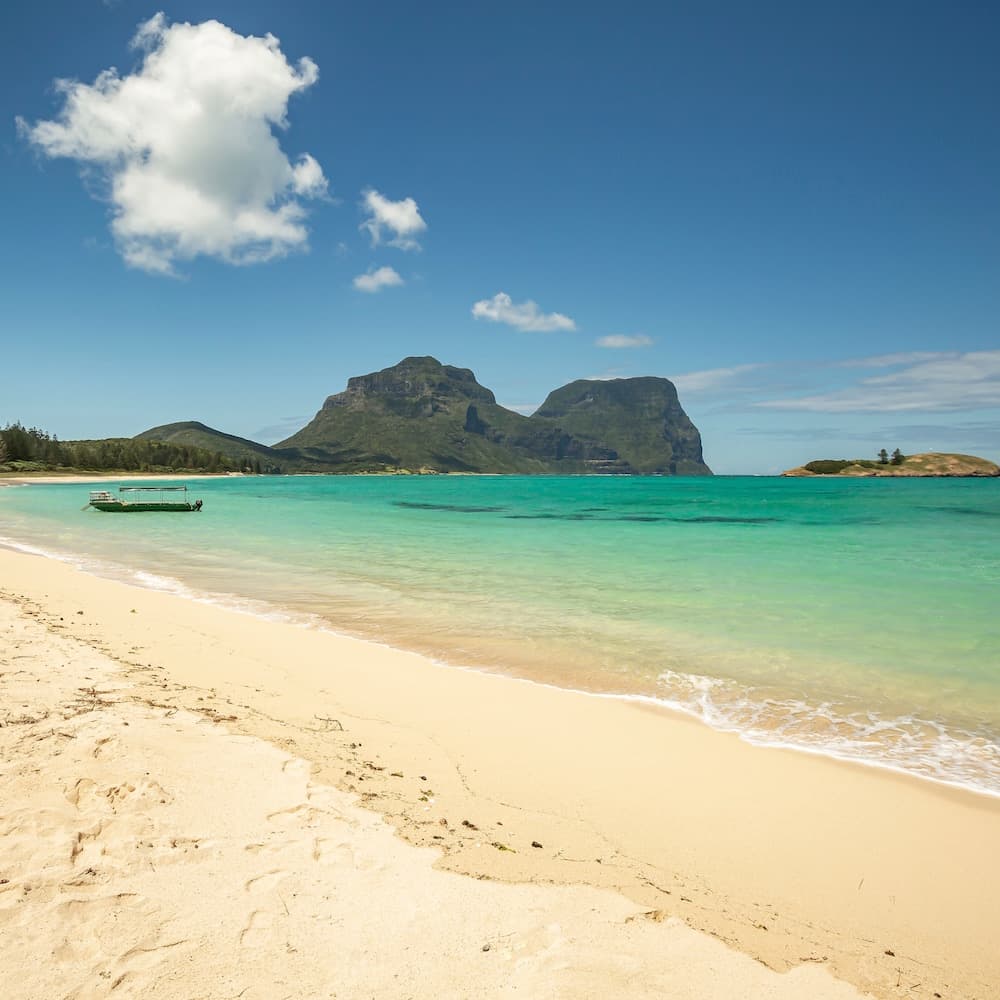
Summer at Rocky Point Reserve is a sun-seeker's paradise with longer daylight hours to enjoy the island's natural beauty. The temperature is warm but tempered by the ocean breezes, making it ideal for beach activities. This is the peak season for water sports, with conditions perfect for paddle-boarding, kayaking, and enjoying boat tours around the island's lagoon. The sea becomes a canvas of brilliant blues and greens, inviting swimmers and divers to explore its depths, especially the world-renowned coral reef system teeming with exotic fish.
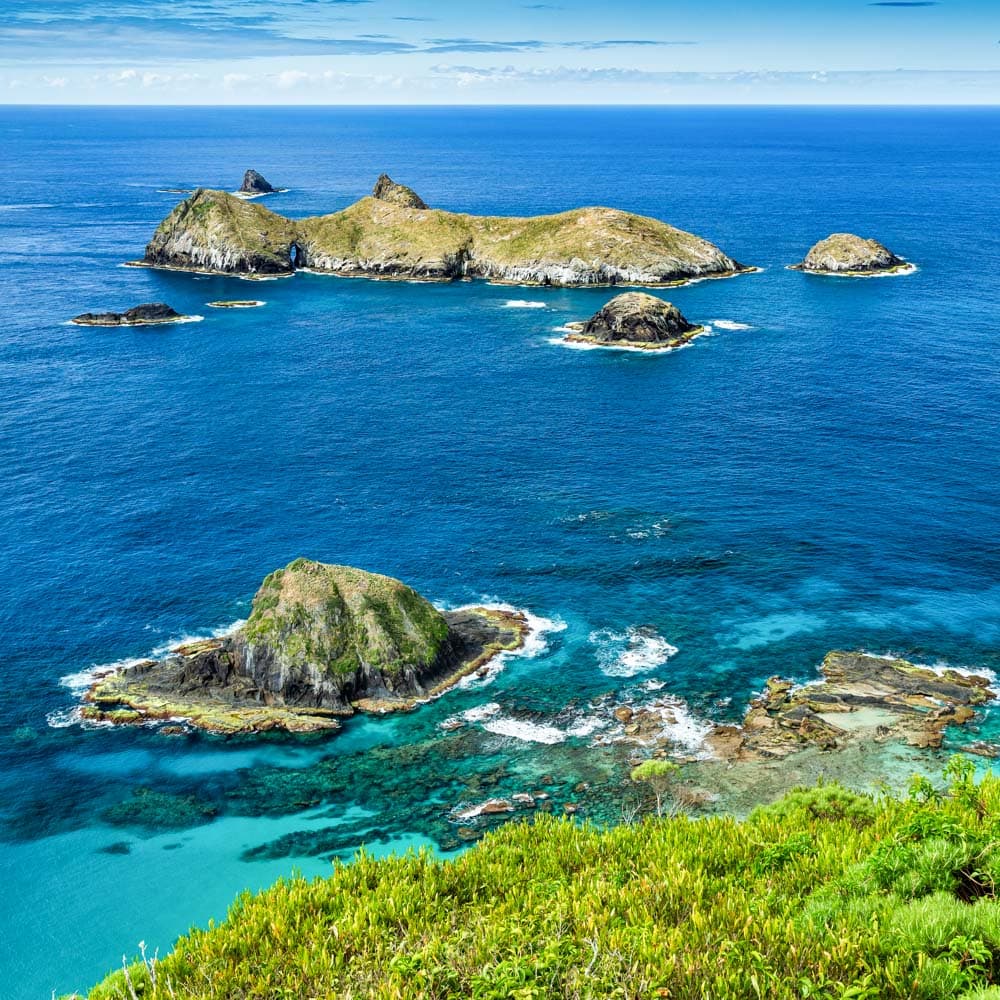
Autumn brings a tranquil atmosphere to Rocky Point Reserve as the summer bustle fades. The temperature cools slightly, and the island's pace slows, allowing visitors to savor the serenity. It's an excellent time for trekking through the subtropical forests or along coastal cliffs with fewer fellow hikers. The descending sun casts a golden hue over the landscapes, providing magnificent sunsets that are especially breathtaking from the vantage points around Rocky Point. The calm seas of autumn also offer the last chance for the year to dive or snorkel in comfortably warm waters.
Winter in Rocky Point Reserve is a season of stark beauty and solitude. The climate remains relatively mild, with crisp, clear days perfect for exploring the island's rugged terrain without the heat of summer. It's the off-peak season, so travelers can enjoy a more intimate experience with nature. Although the water temperatures drop, many marine species can still be observed during this time, including the occasional migratory whale passing by the island. The winter months also provide unique opportunities for star gazing, with the island's low light pollution offering a spectacular view of the Milky Way.