Spring on Mount Lidgbird is a time of awakening. As the chill of winter dissipates, the flora on the mountain begins to bloom, painting the landscape with a vibrant palette of colors. Birdwatchers will revel in the opportunity to observe migratory birds returning to nest. The temperature is mild, with occasional showers that bring the lush surroundings to life. This is the perfect season for hiking the subtropical forests, as the pathways are dotted with the fresh blooms of Kentia palms and orchids.
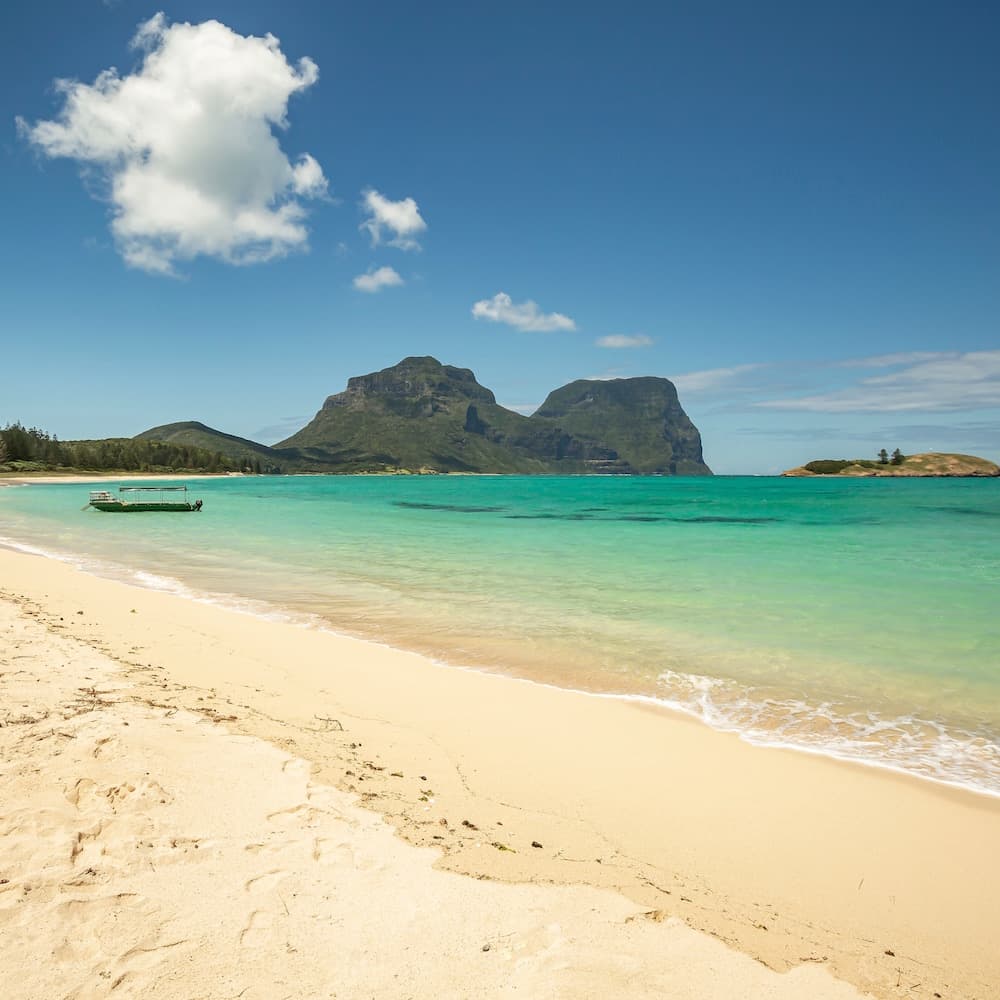
Summer brings warmth and an abundance of sunshine to Mount Lidgbird, making it ideal for exploring the island’s crystal-clear waters. Snorkeling and diving are exceptional during this period, with visibility at its peak, allowing a clear view of the coral reefs and the myriad of marine life that calls them home. The days are longest in summer, giving you ample time to enjoy the natural beauty, though it is wise to start hikes early to avoid the midday heat. The evening offers respite with cooler breezes, perfect for beachside relaxation.
Autumn is a season of change, and on Mount Lidgbird, it's marked by a transformation in the landscape's hues. The lush greens subtly shift to warmer tones, and the temperature cools, creating ideal conditions for extended treks. With fewer visitors, there’s a sense of tranquility that pervades the island. The sea remains warm enough for swimming, and the reduced humidity makes outdoor activities more comfortable. It’s a contemplative time, suitable for those seeking solace in nature without the bustle of peak tourist seasons.
Winter on Lord Howe Island brings a cooler and more serene environment. Mount Lidgbird stands majestic against the crisp, clear winter skies. While it is too cold for swimming for most, the dramatic swells of the surrounding ocean make for spectacular viewing from the shore. This season is perfect for bird enthusiasts, as the island becomes a haven for various seabirds. The cooler weather is excellent for exploring the mountain's rugged terrain, with clear paths and fewer insects to contend with. The island's pace slows, allowing travelers to embrace the quietude and stark beauty of the landscape.