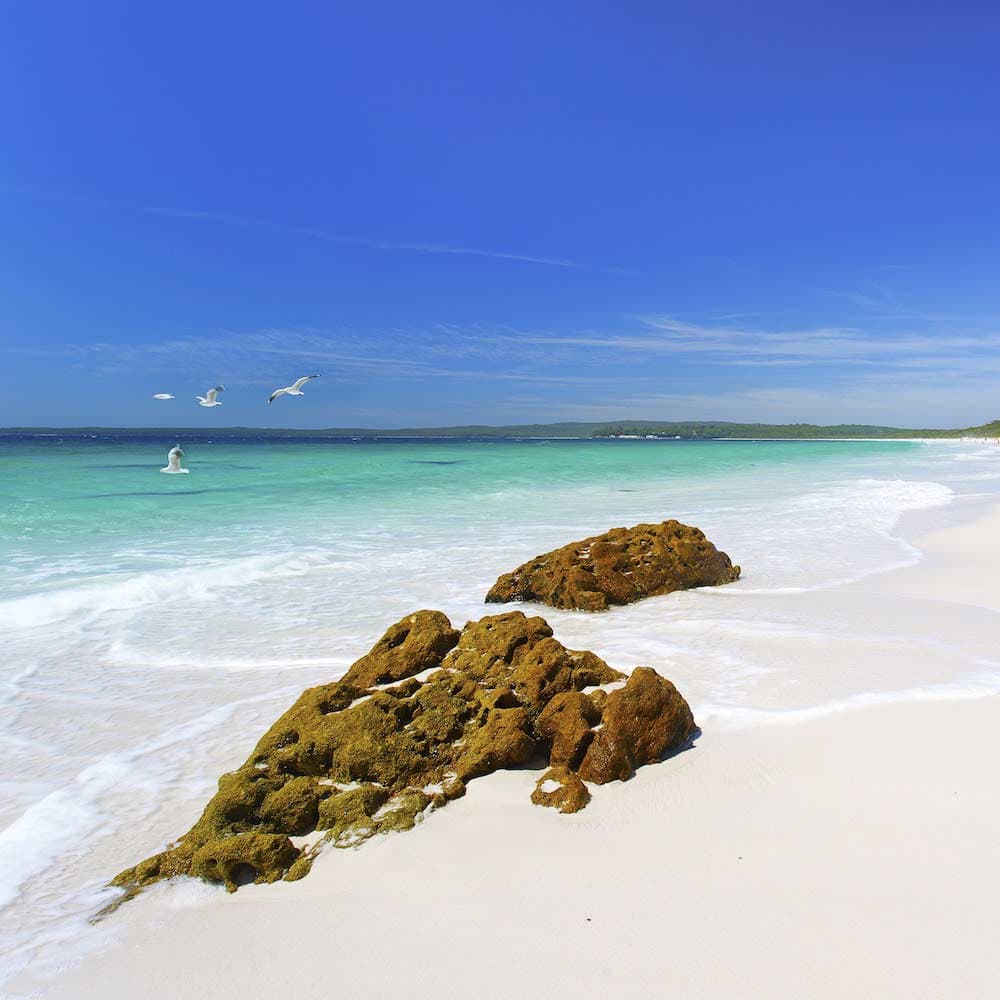
As the chill of winter dissipates, Horse Head Rock in spring becomes a photographer’s haven. Visitors are greeted with a landscape coming back to life: wildflowers begin to pepper the coastline, adding a splash of color against the dramatic backdrop of the rock formation. The air is crisp, and the water reflects a brilliant blue, making early morning visits particularly magical. Wildlife, too, becomes more active, with birds returning to the area, offering delightful birdwatching opportunities. It’s a time for rejuvenation, and although the water might still hold the winter's cold, the milder temperatures and fewer crowds make it an ideal time for those looking to explore in tranquil solitude.
Summer at Horse Head Rock is a quintessential Australian beach experience. The sun is radiant, the skies clear, and the sea transforms into a hub of activity. Visitors flock to the landmark for the classic sun, sand, and surf adventure. The rock formation itself provides a stunning contrast to the lively beachgoers and the azure waves that might beckon the brave for a refreshing swim. It’s the perfect season for families and individuals alike to bask in the longer daylight hours, perhaps enjoying picnics on the beach or engaging in coastal walks that reveal the full splendor of the Sapphire Coast. It’s important to come prepared with sun protection and plenty of water, as the Australian summer sun is strong.
Autumn brings a tranquil atmosphere to Horse Head Rock, with the summer crowds thinning out and the heat giving way to a more temperate climate. The sea remains warm enough for swimming, while the changing colors of the foliage create a picturesque setting for leisurely strolls along the shore. This is a time when the sunlight casts a golden hue over the rock, creating perfect conditions for late afternoon photography. The ambiance is more reflective, lending itself to peaceful contemplation and relaxation by the sea. Autumn’s mild weather also makes it an ideal season for exploring the surrounding coastal walks and nearby natural reserves without the intensity of the summer heat.
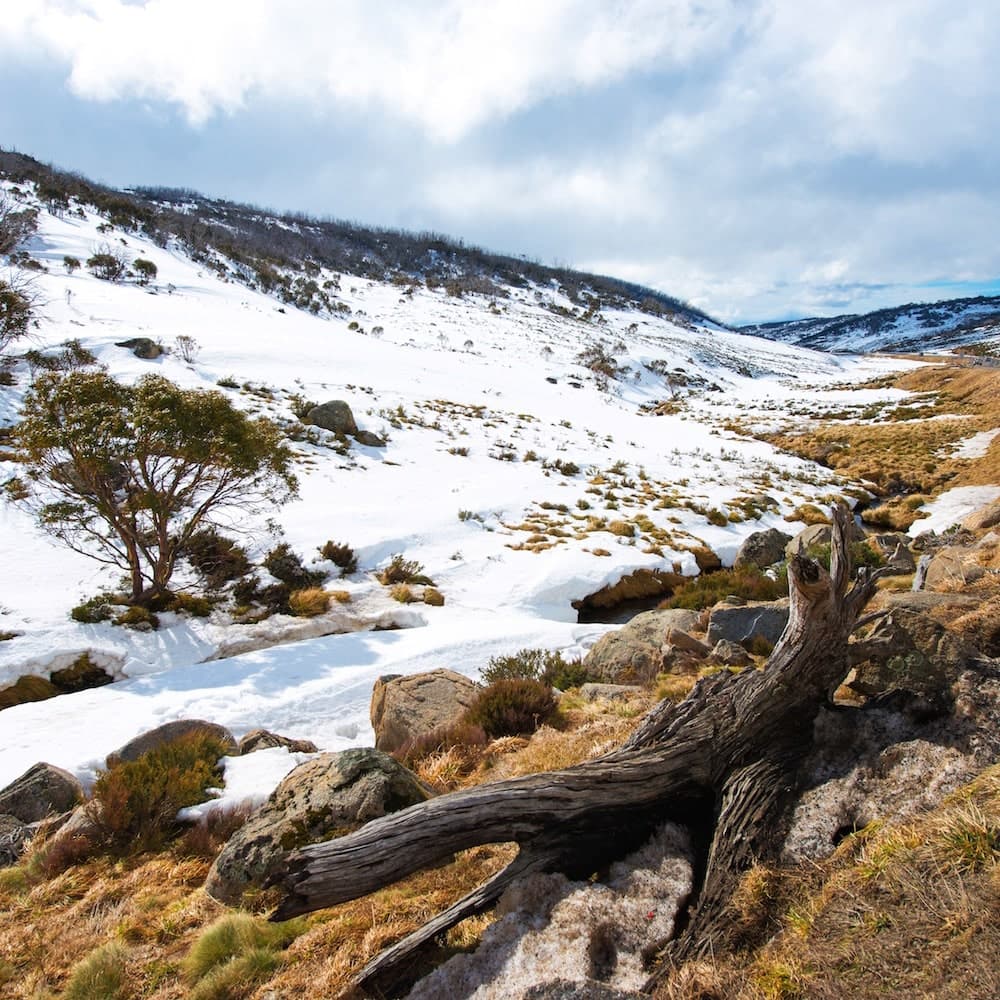
Visiting Horse Head Rock in winter offers a different kind of beauty, marked by the power and drama of the rugged coast. The cooler temperatures and occasional sea mists shroud the area in mystery, while the rougher seas demonstrate the untamed nature of the Australian coastline. It's a season favored by those who enjoy the solace of a less populated destination and the crispness of the winter air. Outdoor enthusiasts will appreciate the clear days for hiking and exploring the region’s natural beauty, albeit with more layers to ward off the chill. For those interested in marine life, it’s also a promising season for spotting migrating whales off the coast.