Spring is a delightful season to explore Goulburn River National Park, as the landscape bursts to life with vibrant colors and floral blooms. The weather is generally mild, but it's always a good idea to bring a light jacket for the cool evenings. The river itself is particularly inviting during this season, offering ample opportunities for canoeing and kayaking. Native wildlife, like kangaroos and wallabies, are more active and can often be spotted grazing in the meadows. Birdwatchers will be thrilled to spot various species, including colorful parrots and wrens, as they flock back to the area.
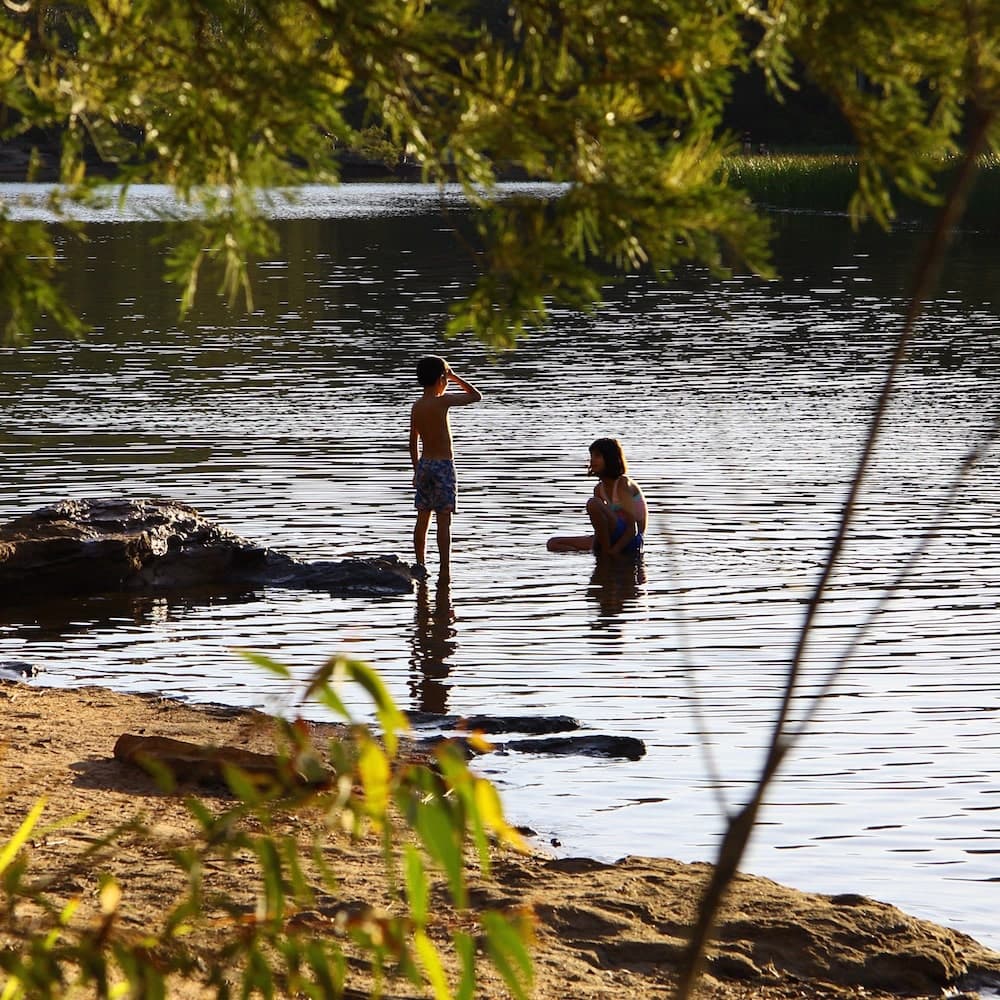
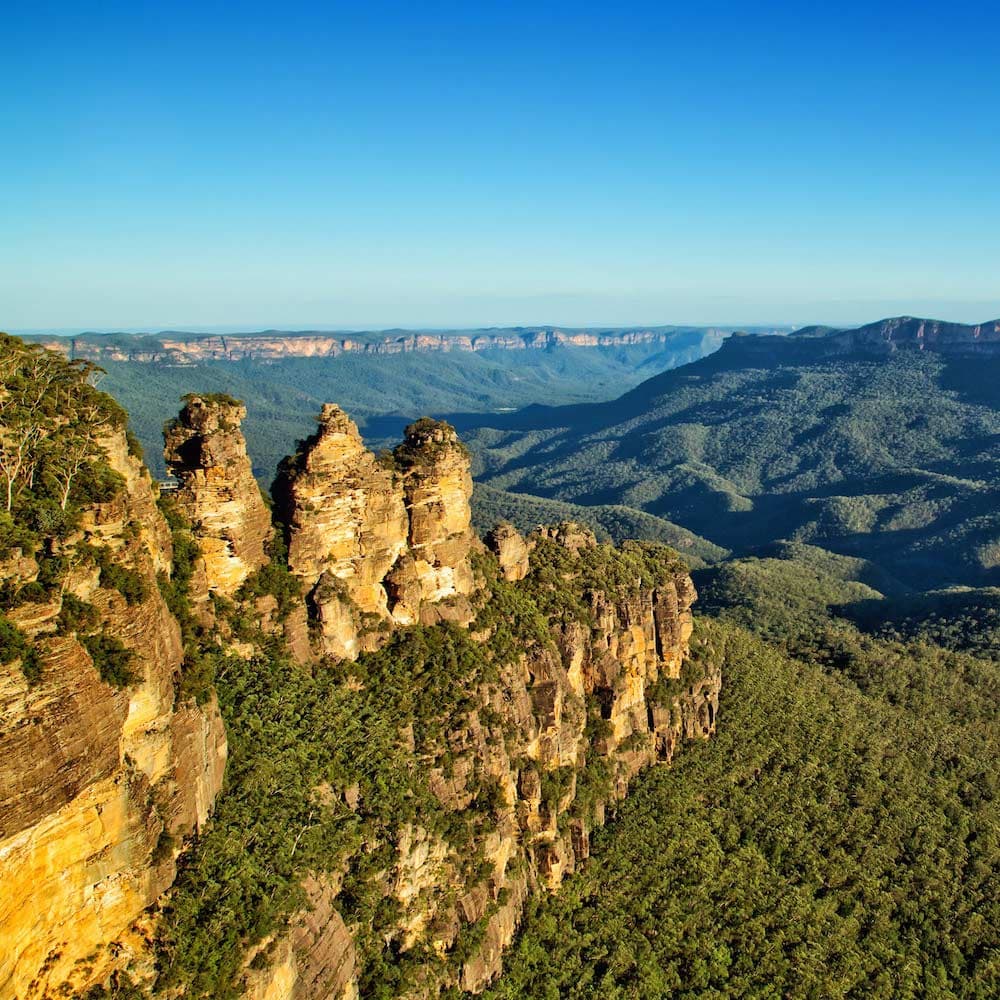
Summer brings warmer temperatures and more tourists to the park, making it a bustling place to be. This is a perfect time for water activities such as swimming and fishing. However, the Australian sun can be quite intense, so sun protection is a must. The bushland is typically dry, and there can be fire restrictions, so it's essential to stay informed and prepared. Despite the heat, many hiking trails remain open, offering stunning vistas of the diverse landscape. You'll want to bring plenty of water, a hat, and light clothing to make the most of your summer adventure.
Autumn is a period of transformation for the Goulburn River National Park, as leaves change colors and temperatures begin to cool. This season provides a picturesque setting for photography and quiet reflection. The reduced crowds make it a great time for those who prefer a more peaceful experience. You can indulge in long walks or cycle along the riverbank, enjoying the milder climate. If you're lucky, you might even spot a platypus in the river or an echidna foraging through the undergrowth. Remember to bring a warm layer as the evenings can get chilly.
Winter in Goulburn River National Park is for those who love a serene and somewhat mystical landscape. The temperature drops considerably, and frosty mornings are not uncommon. While water activities are mostly off the table, it's an excellent time for bushwalking, as the cooler temperatures make physical exertion more comfortable. Many animals hibernate during this season, but you might still catch a glimpse of hardy species like wombats or some winter-active birds. It's essential to pack appropriately, with layers and possibly even thermal clothing, as well as to keep an eye on the weather forecast for any sudden changes.