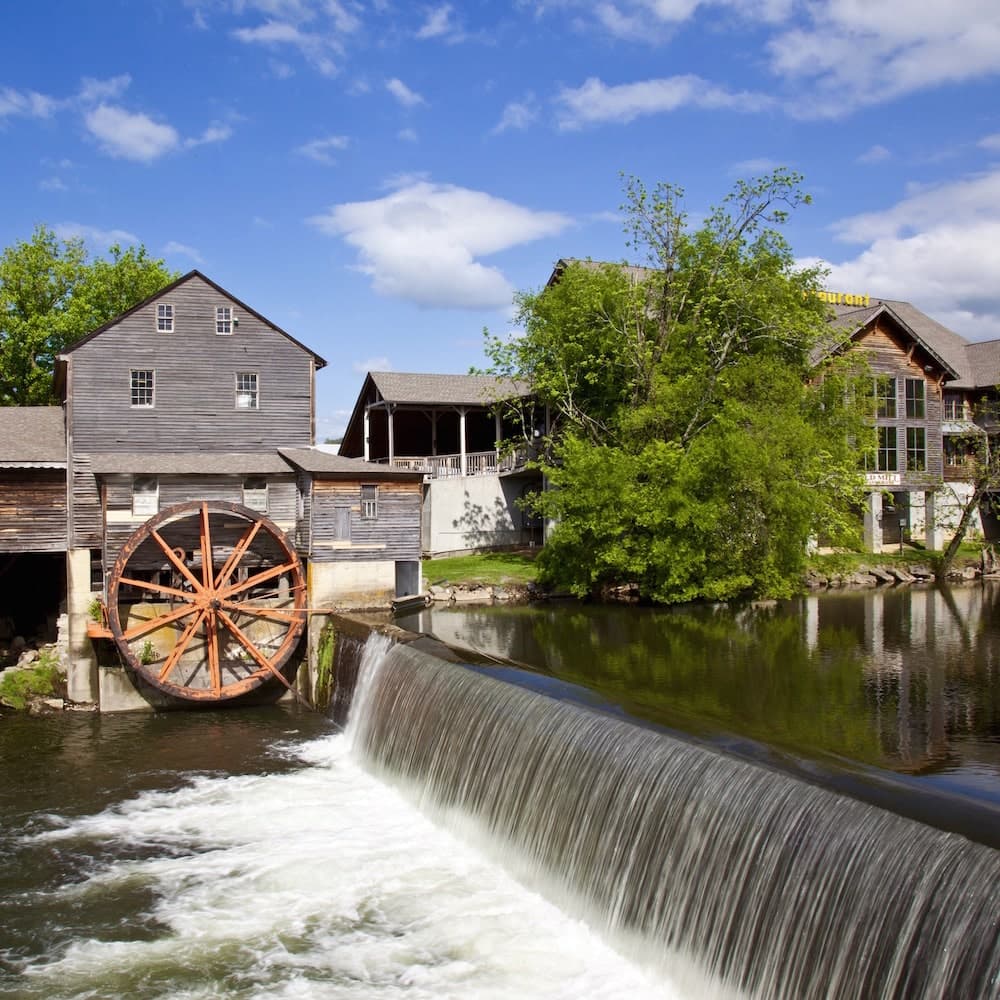
In spring, Great Smoky Mountains National Park awakens with vibrant life. The mountains are carpeted with wildflowers, including trilliums, lady slippers, and violets, creating a colorful mosaic. This is also a fantastic time for birdwatching as migratory species return. The weather is pleasantly mild, although it can be unpredictable with occasional rain showers. Hiking trails are less crowded, offering a serene experience. The flowing streams and waterfalls, fed by the melting snow, are at their most majestic.
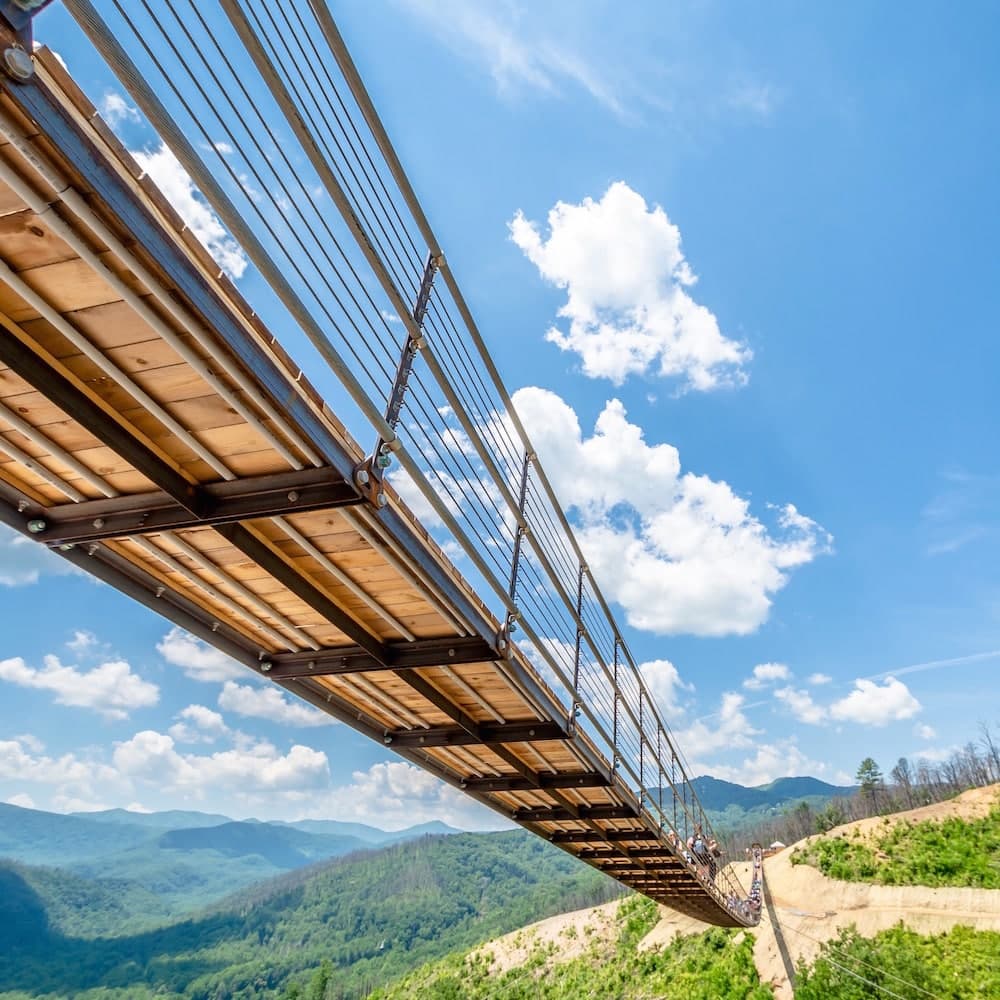
Summer in the park is a time of lush greenery and abundant wildlife. The days are warm and long, ideal for exploring the hundreds of miles of trails. Hiking, camping, and picnicking are popular activities, as is taking a scenic drive to capture the breathtaking vistas. The park's higher elevations provide a cooler retreat from the heat. This season also brings a chance to spot black bears, elk, and other wildlife. However, it's also the busiest season, so expect more company on the trails and at attractions.
Autumn in the Great Smoky Mountains is a spectacle of fiery reds, oranges, and yellows as the foliage transforms. This is arguably the most picturesque time to visit, with cooler temperatures and crisp air perfect for hiking and wildlife viewing. The elk rut in Cataloochee Valley is a highlight, where the bugling of male elks echoes through the mountains. The autumnal equinox also brings unique cultural events and festivals celebrating the rich heritage of the region.
Winter transforms the park into a tranquil, snow-covered wonderland. While some roads and facilities may close due to snow, the park's beauty is unmatched, with frosty forests and frozen waterfalls. It's a quieter time for introspective hikes or cross-country skiing. Wildlife is still active, and visitors might spot deer, turkeys, or even the elusive bobcat. The cold weather brings a unique charm to the Smokies, offering a peaceful escape and the chance to enjoy the serene, snow-draped landscapes.