Spring is a delightful time to visit the Liberty Bell Center in Philadelphia. As the weather starts to warm up, the city comes alive with blooming flowers, providing a picturesque backdrop for the iconic symbol of American freedom. The crowds at the Liberty Bell Center tend to be moderate in spring, offering a pleasant balance between the quieter winter months and the bustling summer season. The adjacent Independence National Historical Park is vibrant with freshly grown grass and flowering trees, making it the perfect setting for a leisurely walk after your Liberty Bell tour. Educational programs are often in full swing, giving visitors the chance to delve into the historical context behind the Liberty Bell. Rain showers are not uncommon during the springtime, so packing an umbrella is advisable.
Summer at the Liberty Bell Center is busy and energetic. It's peak tourist season, and the center often sees large crowds eager to catch a glimpse of the bell and learn about its historical significance. The atmosphere is festive, with plenty of families, school groups, and international visitors milling around. Given the season, you'll also find various events and activities happening in and around Independence National Historical Park. The weather can get quite hot and humid, so it's essential to stay hydrated and perhaps take a hat and sunscreen for added protection. Air conditioning inside the center offers a reprieve from the heat. If you're looking to avoid long lines, it may be wise to arrive early in the morning before the crowds accumulate.
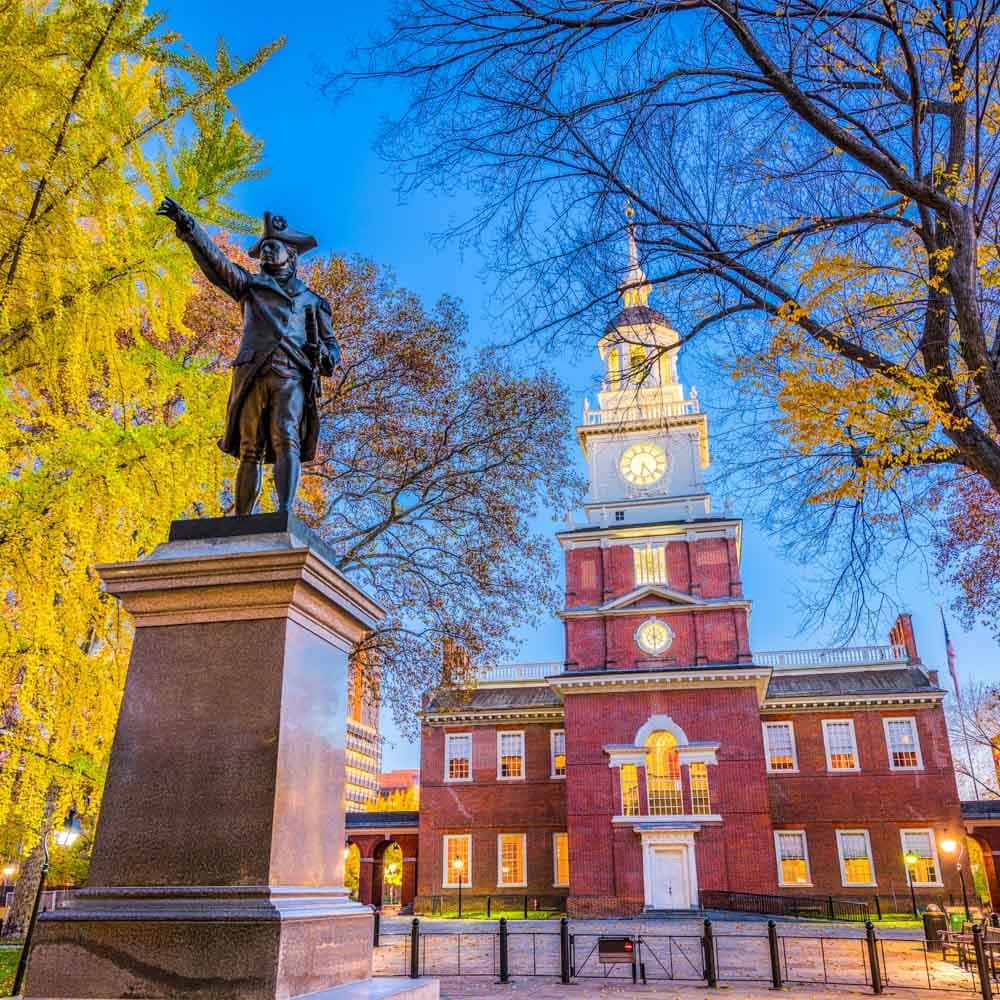
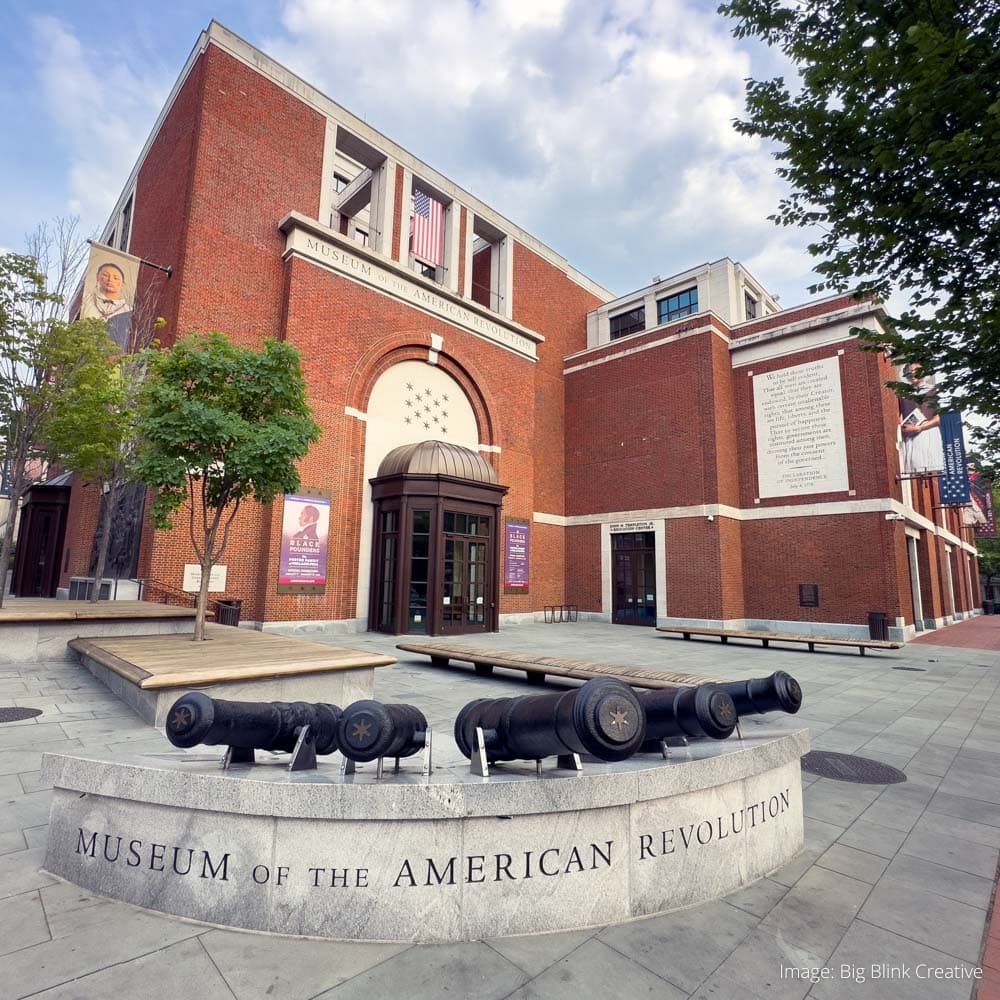
Autumn brings a sense of tranquility to the Liberty Bell Center, as the summer crowds begin to thin and the surrounding landscape takes on an array of warm, inviting colors. The temperate climate makes it an ideal time for those who prefer a more relaxed atmosphere. The leaves in Independence National Historical Park start to turn various shades of orange, gold, and red, offering excellent opportunities for photography. Educational presentations and exhibits inside the center are less crowded, giving you more space and time to absorb the material. Fall is also a great season to explore nearby attractions like Independence Hall and the Museum of the American Revolution without feeling rushed. Do pack a light jacket, as temperatures can dip, especially in the late afternoons.
Winter at the Liberty Bell Center offers a unique experience for those who don't mind braving the colder temperatures. The crowds are significantly smaller, allowing for a more intimate and contemplative visit. Snowfall can transform Independence National Historical Park into a winter wonderland, adding a touch of magic to your historical exploration. The center is climate-controlled, so once inside, you can enjoy the exhibits and the bell itself in comfort. While outdoor activities may be limited, winter is an excellent time for history buffs to engage more deeply with the information available, as you won't have to navigate through large groups. Just make sure to check the center’s operating hours, as they can be reduced during the off-season, and remember to bundle up before you go.