Spring at the Lee Tartt Nature Preserve is a time of rejuvenation and new beginnings. As the weather warms up, the preserve bursts into life with vibrant wildflowers and budding trees. Birdwatchers will find this season particularly rewarding, as many migratory birds pass through the area. The trails are perfect for leisurely hikes, where visitors can enjoy the gentle breezes and the sound of birdsong. The river, now swelling with spring rains, provides an excellent opportunity for kayaking and canoeing, offering a serene way to explore the natural beauty of the preserve.
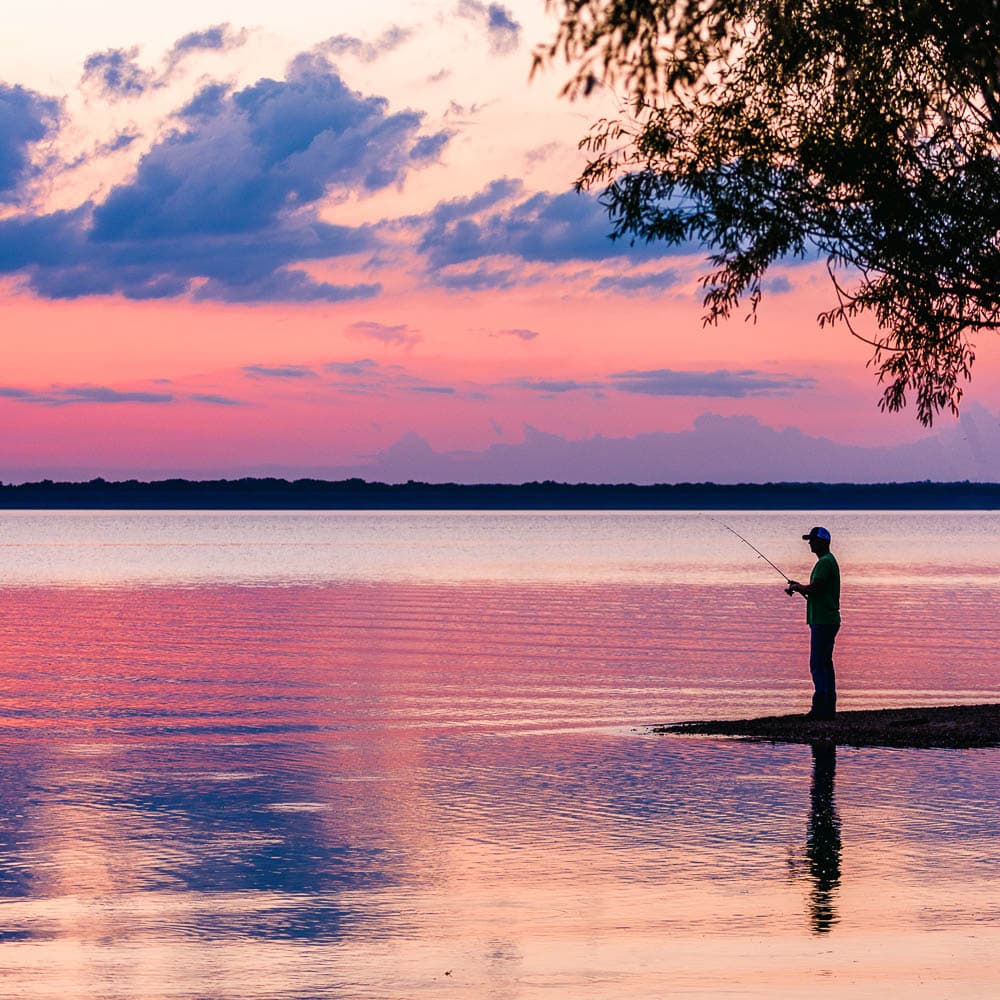
Summer in the preserve is lush and green, with the full canopy of trees providing a cool, shaded retreat from the Mississippi heat. This is a fantastic time for exploring the more hidden parts of the preserve, such as its small creeks and secluded ponds. The warm temperatures make it perfect for water activities like swimming or fishing in the river. Nature walks at dawn or dusk are magical, as the light filters through the dense foliage, creating a tranquil atmosphere. Visitors should be prepared for the humidity and bring plenty of water to stay hydrated during their adventures.
Autumn transforms the Lee Tartt Nature Preserve into a canvas of fiery reds, oranges, and yellows as the leaves change color. The cooler temperatures make it a comfortable time for hiking and exploring the many trails. It's a photographer's paradise, with the autumnal hues providing a stunning backdrop. Wildlife viewing is excellent during this season, as animals prepare for the winter. The river, now calmer and clearer, reflects the fall colors beautifully, making it a great time for peaceful canoeing or kayaking trips.
Winter brings a quiet, serene beauty to the preserve. Although the trees have lost their leaves, this opens up new vistas and landscapes to explore, revealing the natural structure of the forest. The cooler weather is ideal for brisk hikes, and visitors might even experience a rare, light snowfall, creating a picturesque winter wonderland. Birdwatching continues to be rewarding, with winter residents and the occasional rare visitor. The river, with its banks framed by frost or light snow, offers a unique perspective of the preserve's winter landscape.