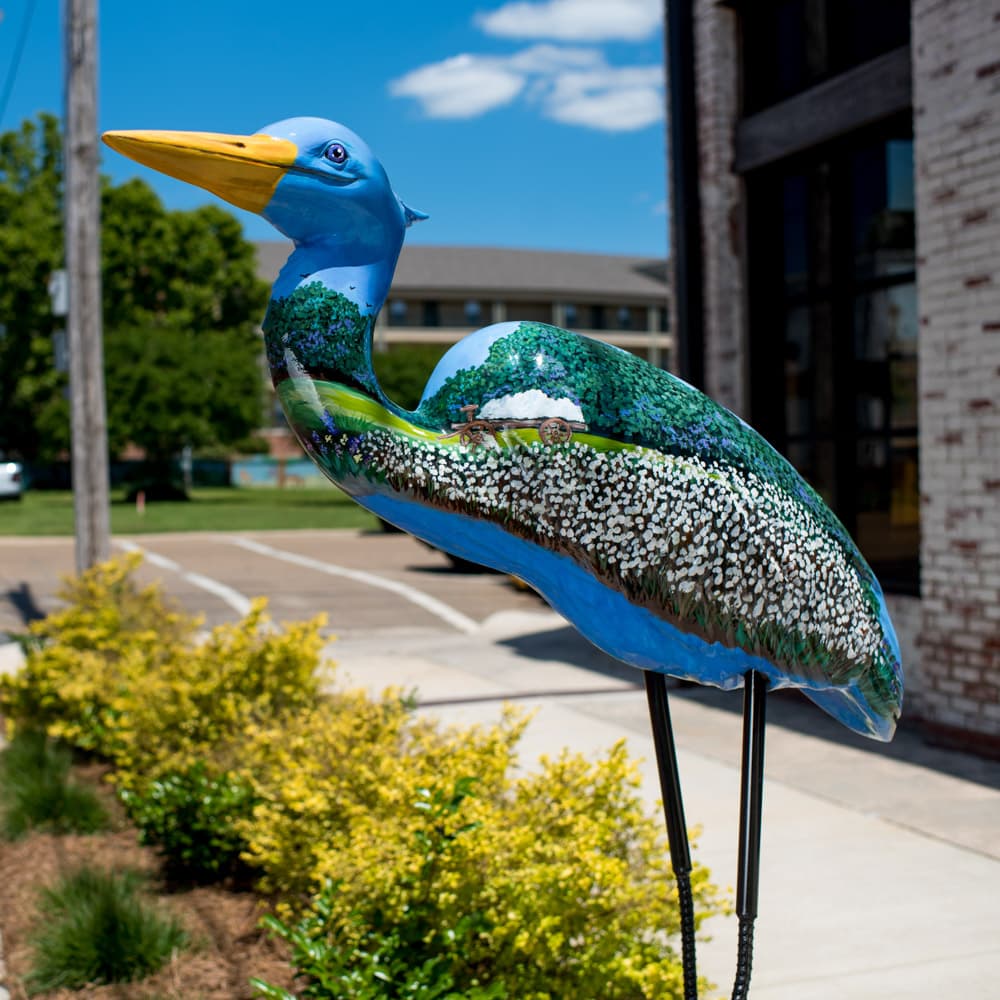
As spring arrives at Poverty Point, the site blossoms with lush greenery, creating a picturesque landscape. This season is ideal for enjoying the cooler temperatures and observing the awakening of local flora and fauna. Visitors can explore the ancient mounds and earthworks with greater comfort, and the park's interpretive trails become vibrant with the signs of spring. Birdwatching is particularly rewarding during this time, as migratory birds pass through the area. Educational programs often resume in spring, providing insightful tours and information about this prehistoric site's rich history.
Summer at Poverty Point brings hot and humid conditions, typical of Louisiana's climate. Despite the heat, it's a popular time for visitors, especially families looking to engage with history during the school break. The site's visitor center offers a respite from the heat, with exhibits that delve into the lives of the ancient inhabitants. Outdoor activities might require precautions against the heat, but early morning or late afternoon visits are ideal for exploring the monumental earthworks. Summer also brings unique events and workshops, where visitors can learn about the site's archaeology and indigenous culture.
Autumn is a magical time at Poverty Point, characterized by cooler temperatures and changing foliage. The site's vast landscapes turn into a canvas of autumnal hues, offering a stunning backdrop for photography and leisurely walks. It's an excellent season for hiking the trails and enjoying the serene environment. The decrease in humidity and milder weather conditions make it comfortable for visitors to spend extended periods outdoors, exploring the intricate network of mounds and the intriguing story they tell about the ancient people who built them.
Winter at Poverty Point presents a quiet, introspective visit, with fewer crowds and a stark beauty. The bare trees and crisp air offer a different perspective on the site's impressive earthworks and open up views that are less visible in other seasons. Although the temperatures can be cool, it's a peaceful time for visitors to reflect on the history and significance of the area. Winter is also an opportunity to see a different range of wildlife and to experience the site in its most tranquil state, offering a unique and contemplative experience.