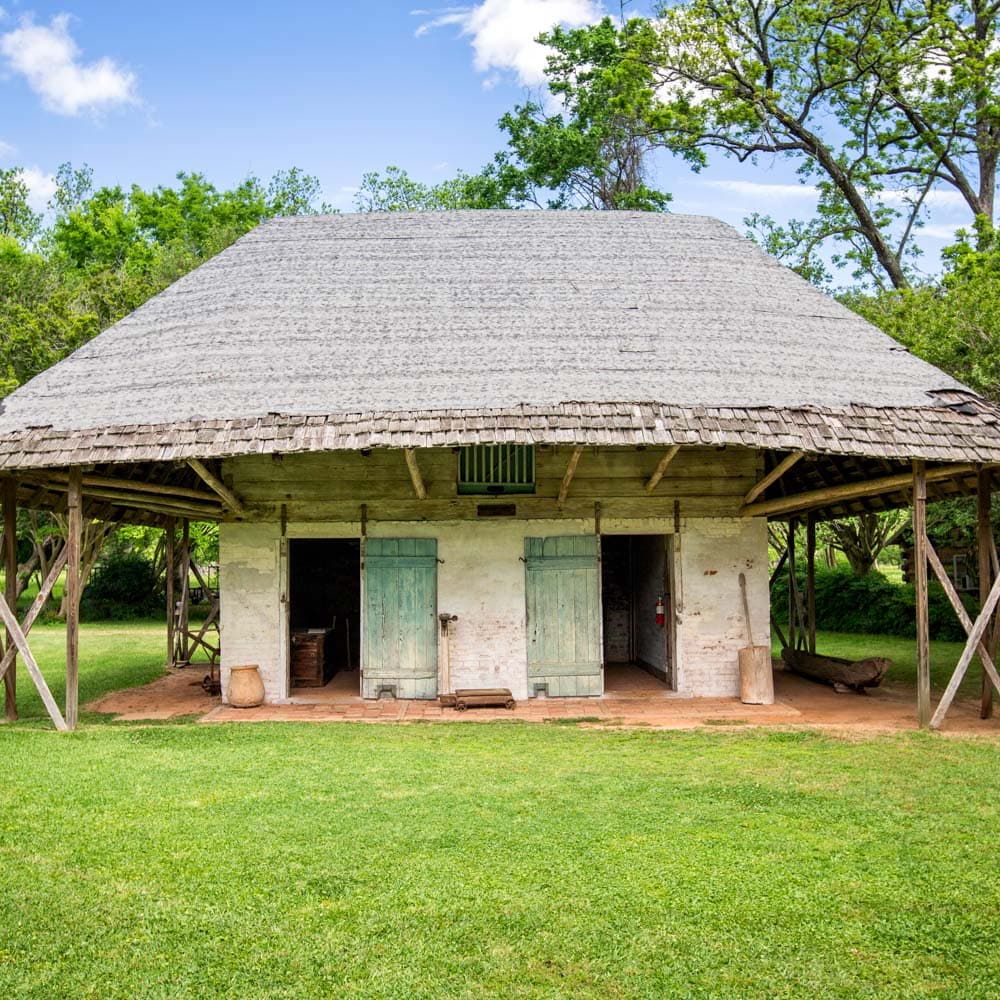
In spring, Cane River Creole National Historical Park blossoms with the vibrant colors and scents of wildflowers, making it a picturesque destination for nature enthusiasts. The mild temperatures and longer days provide perfect conditions for exploring the park's rich cultural heritage. Visitors can enjoy walking tours of the historic plantations, where the lush gardens and blooming azaleas offer a stunning backdrop. Spring is also a fantastic time for bird watching, as many migratory species pass through the area. The calm, pleasant weather makes it ideal for leisurely picnics by the river or engaging in the park's educational programs about Creole history and culture.
Summer in the park is a time of lively activity and warm, humid weather. The lush greenery is at its peak, offering shade and a vibrant atmosphere. Visitors should be prepared for higher temperatures and occasional rain showers, typical of Louisiana's summer climate. This season is perfect for exploring the waterways of the Cane River by boat, offering a unique perspective of the park's landscapes and wildlife. The park's historic sites, like the Oakland and Magnolia plantations, offer insight into the 19th-century plantation life, with guided tours available. Summer evenings often feature local cultural events and musical performances, immersing visitors in the rich Creole traditions of the region.
Autumn brings a cooler and more comfortable climate to the Cane River Creole National Historical Park, making it an ideal time for outdoor activities. The changing colors of the leaves create a scenic backdrop for hiking and photography. This season is particularly significant as it hosts various cultural events and festivals celebrating Creole heritage, offering visitors a chance to experience local crafts, cuisine, and music. The lower humidity levels and fewer tourists make it a more peaceful time to explore the historical sites and learn about the plantation history. Fishing along the Cane River is also popular during this season, providing a relaxing way to enjoy the area's natural beauty.
Winter in the park is mild and serene, with fewer visitors and a tranquil atmosphere. The cooler temperatures are perfect for exploring the park's nature trails and historic plantations without the heat and humidity of other seasons. While the winter landscape may be less lush, it offers its own stark beauty, with clear, crisp days ideal for photography. This season is an excellent opportunity for a more intimate exploration of the park's history, with fewer crowds at the plantation homes and museums. The holiday season brings special events and decorations to the park, showcasing unique Creole Christmas traditions and creating a festive ambiance.