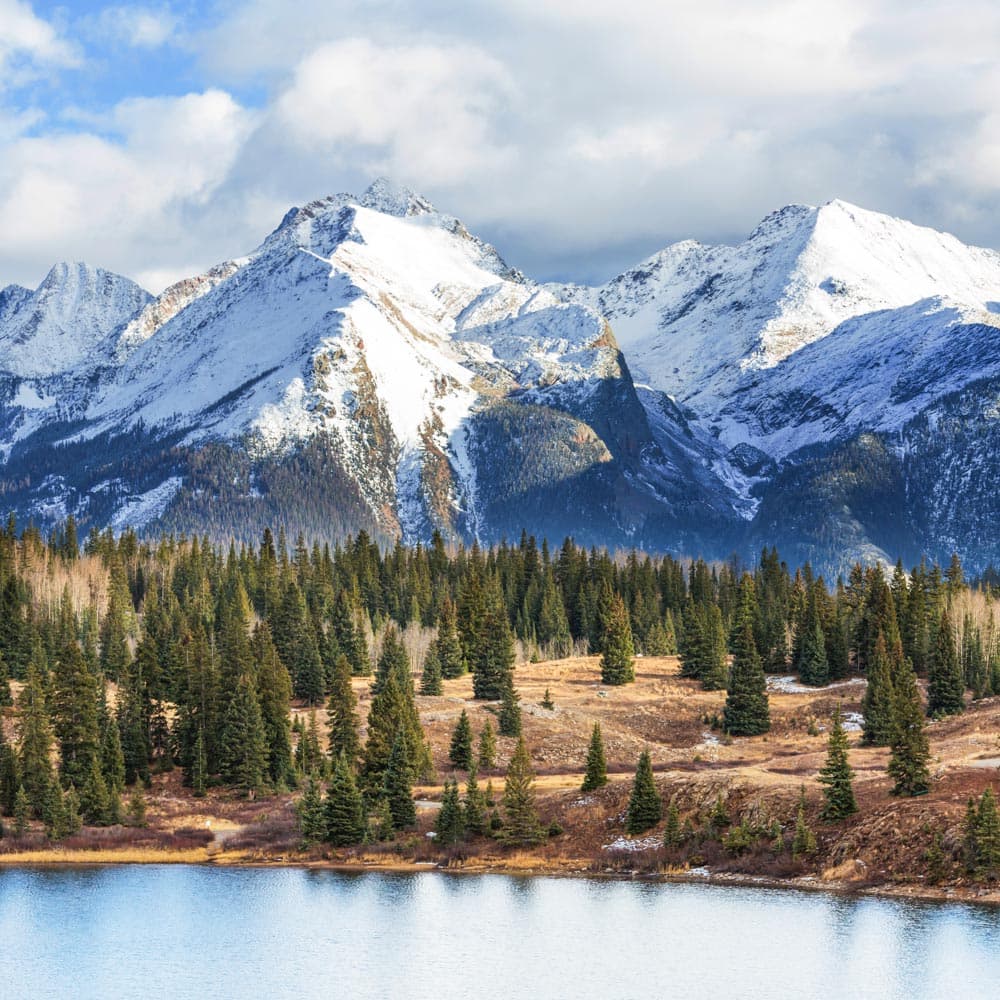
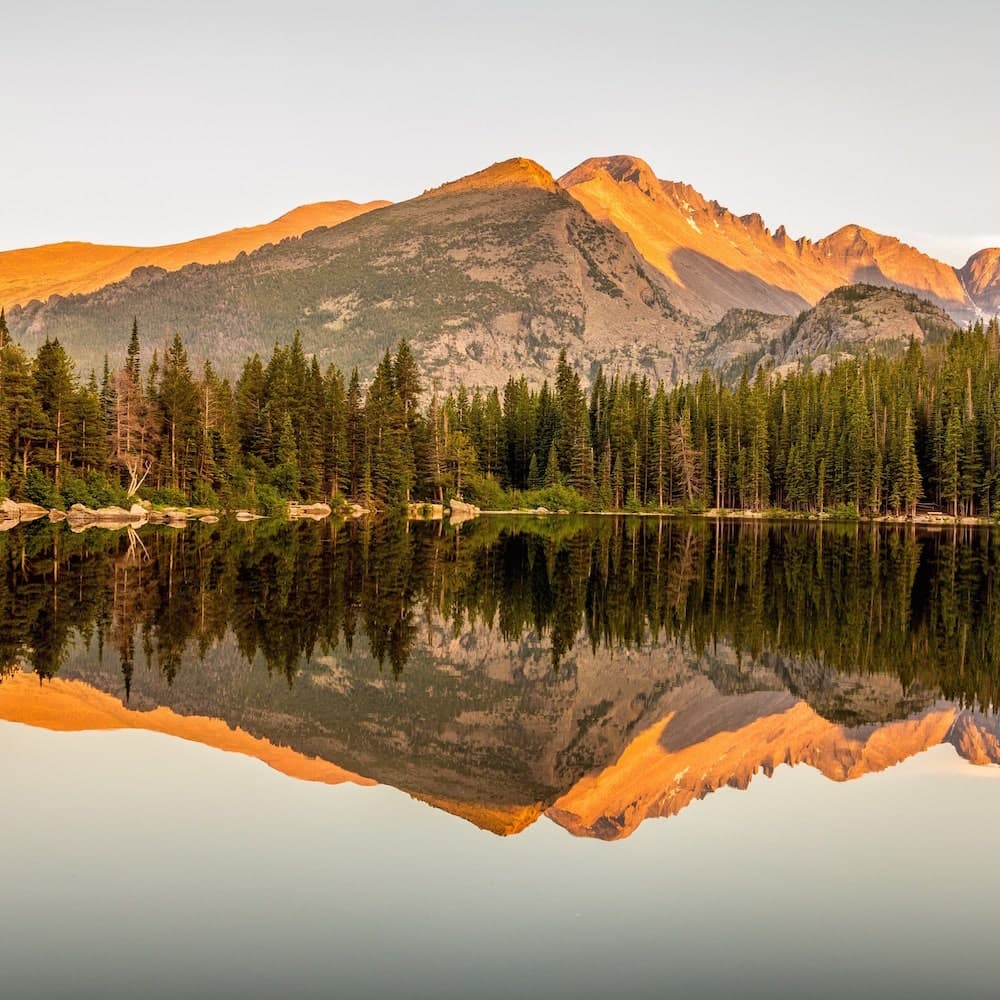
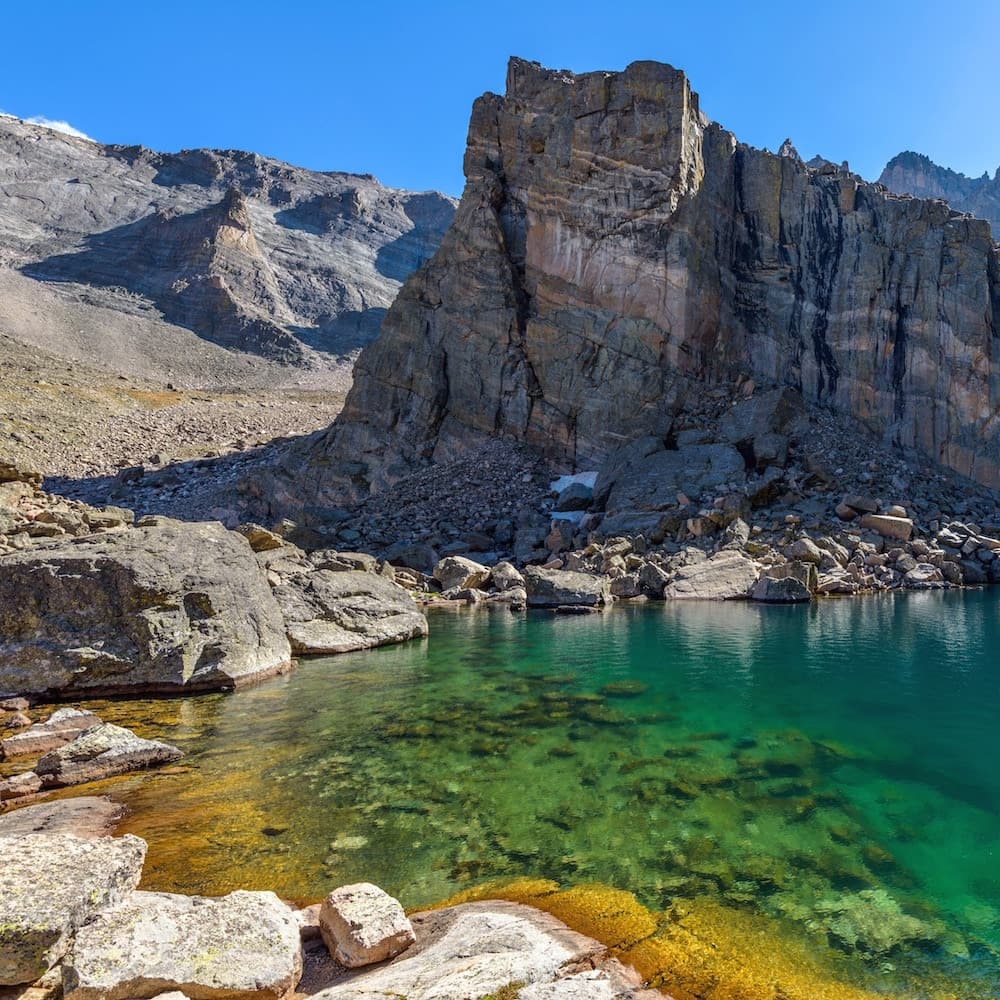
In spring, the Rocky Mountain National Park comes back to life with melting snow revealing blooming wildflowers and rushing streams. Snow still lingers at higher elevations, but lower trails start to clear. Wildlife becomes more active, making it a great time for spotting elk, moose, and birds. However, be prepared for unpredictable weather and some trail closures due to lingering snow.
Summer is the most popular time to explore the park, offering the best weather and fully accessible trails. Expect warm days and cool nights, perfect for hiking, camping, and scenic drives. The park’s meadows are vibrant with wildflowers, and all facilities, including visitor centers and campgrounds, are fully operational. However, this season also brings crowds, so plan to arrive early to secure parking and avoid congestion on popular trails.
Autumn in Rocky Mountain National Park is a visual feast with the changing colors of aspen trees painting the landscape in golds and oranges. The weather is cooler, making for comfortable hiking conditions. This is also the elk rutting season, offering unique wildlife viewing opportunities. The park is less crowded compared to summer, but early snowstorms can occasionally close higher elevation trails and roads, so check conditions before heading out.
Winter transforms the park into a snowy wonderland, ideal for snowshoeing, cross-country skiing, and wildlife viewing. While many trails are snow-covered and some roads closed, the lower elevations offer accessible paths and serene beauty. The park is tranquil with fewer visitors, providing a peaceful experience. Winter visitors should be prepared for cold temperatures and potentially harsh conditions, but the stunning winter scenery makes it worth the effort.