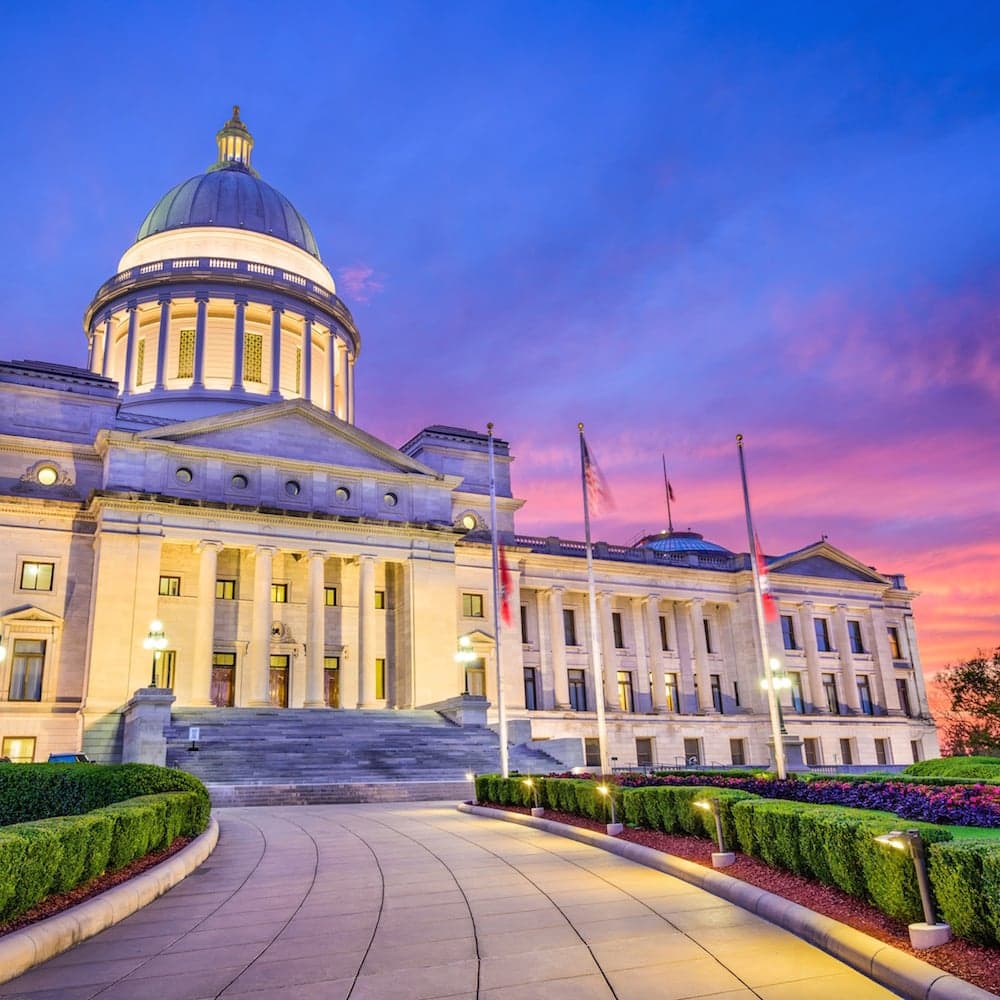
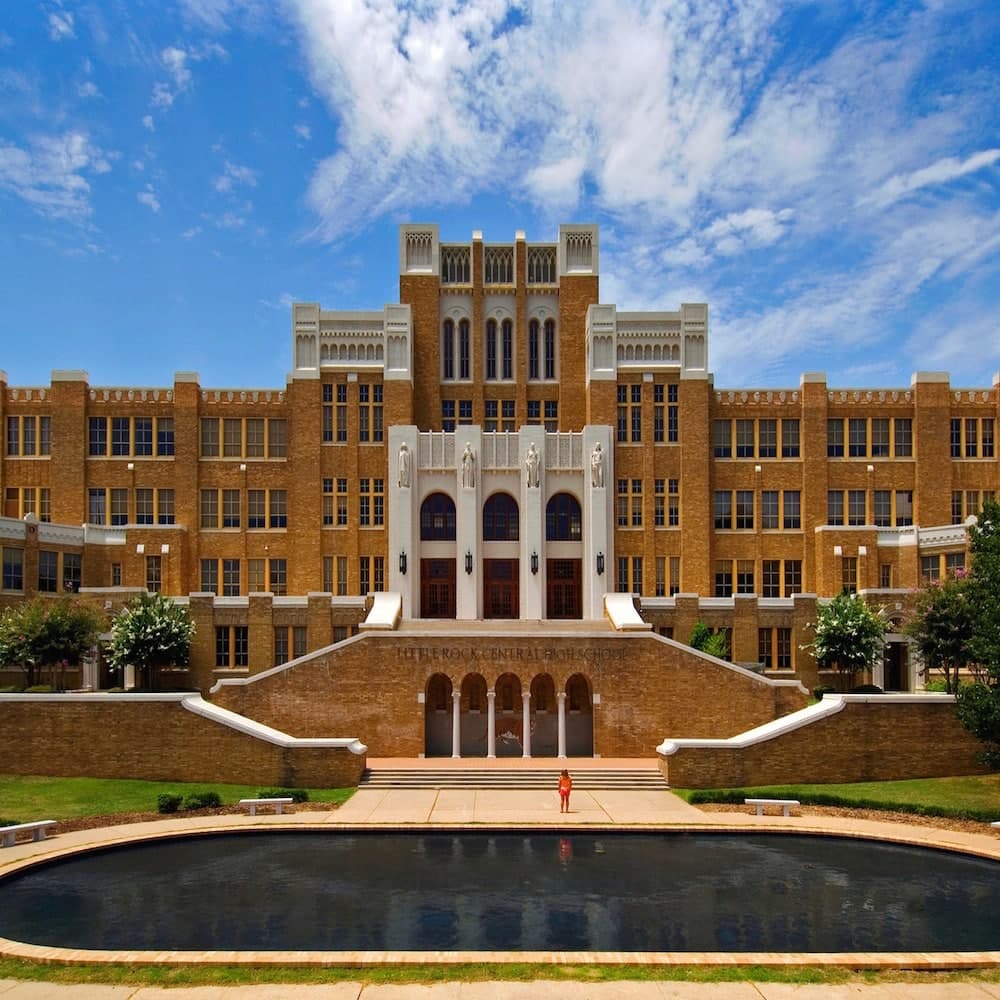
Spring is a season of renewal and the perfect time for contemplative visits to the Little Rock Nine Monument. As the trees and flowers begin to bloom around the State Capitol grounds, you'll find a more tranquil setting to absorb the importance of what happened here in 1957. During this season, guided tours are often less crowded, offering a more personalized experience. Mild temperatures make it comfortable to explore not just the monument itself, but also nearby attractions like the Little Rock Central High School National Historic Site. Springtime events in Little Rock often focus on history and education, adding depth to your understanding of the Civil Rights Movement.
Summer brings heat and a surge of tourists to Little Rock. While the warm temperatures might make outdoor exploration a bit challenging, the advantage is that summer is a vibrant time for local events and community gatherings. The monument becomes a backdrop for various activities, from educational programs for students to special tours emphasizing the impact of the Little Rock Nine on American education and civil rights. If you can handle the Arkansas heat, this season offers a lively, communal atmosphere that can make your visit memorable.
Autumn offers a splendid backdrop of changing leaves and crisp air, ideal for reflecting on the courage and struggles of the Little Rock Nine. As schools are back in session, you may find student groups visiting the monument, giving you a poignant reminder of the ongoing importance of education and equality. The fall is an excellent time to not only visit the monument but also attend guest lectures and events at nearby colleges. The more moderate climate means you can spend extended periods outside, perhaps even taking a guided walking tour that covers other significant sites in Little Rock's civil rights history.
Winter visits to the Little Rock Nine Monument offer a quieter, more introspective experience. The colder temperatures and potential for snow mean fewer tourists, giving you plenty of space to take in the monument and the information panels that accompany it. The stark contrast of the winter landscape against the statues can make for impactful photography and a more solemn atmosphere, adding gravitas to your visit. Local museums and indoor activities can complement your trip, making winter a season for deep dives into the history and significance of the monument and the era it represents.