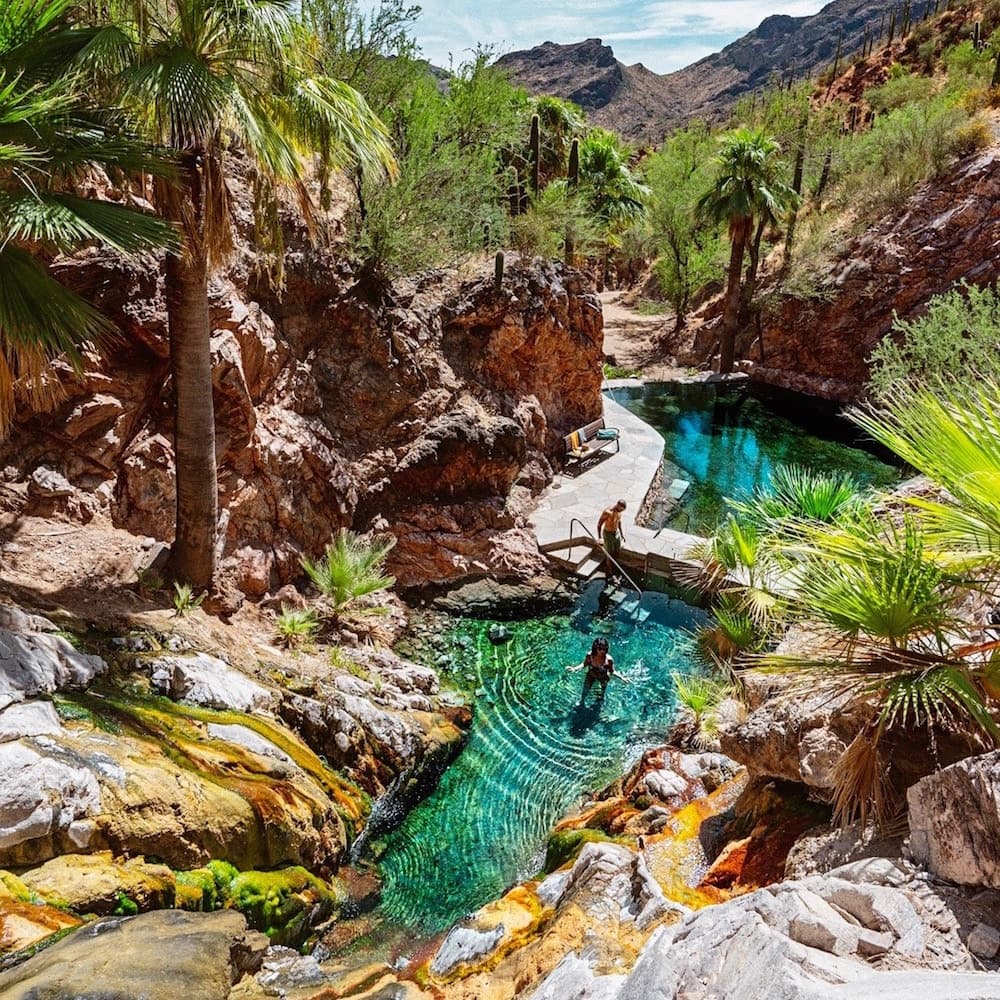
Spring in Kofa National Wildlife Refuge is a period of revival and vibrant colors. As temperatures begin to warm, the desert landscape transforms with a burst of wildflowers. Poppies, lupines, and several cacti species start to bloom, creating a picturesque scene against the rugged backdrop. This season is ideal for photography enthusiasts and nature lovers. Wildlife, too, becomes more visible, with desert bighorn sheep and a variety of bird species being more active. Hiking and camping are popular activities during this time, but visitors should be prepared for varying temperatures, which can still dip low during the night.
Summer in the refuge is characterized by soaring temperatures, often exceeding 100°F. This extreme heat makes outdoor activities challenging, especially during midday. However, for the well-prepared and heat-tolerant traveler, summer mornings and evenings offer unique desert experiences. Nighttime stargazing is particularly spectacular, with clear skies showcasing the Milky Way in all its glory. Visitors during this season should prioritize safety by staying hydrated, wearing sun protection, and avoiding strenuous activities during peak heat hours. It's also a quieter time for tourism, offering a more solitary experience of the desert’s vastness.
Autumn brings milder temperatures and a sense of tranquility to Kofa National Wildlife Refuge. The harsh summer heat subsides, making way for comfortable days and cool nights - perfect for exploring the diverse terrain. It's an excellent time for hiking and wildlife observation, with animals becoming more active as they prepare for the winter. The desert's colors shift, with the foliage of palo verde trees and creosote bushes subtly changing hues. This season is less crowded than spring, offering a peaceful retreat for those seeking solitude amidst nature.
Winter in the refuge presents a stark yet serene landscape. Daytime temperatures are mild and inviting for outdoor activities like hiking and bird watching, while nights can be chilly, often dropping near freezing. This is an ideal time for photographers to capture the dramatic contrasts of the desert - from frost-covered cacti to warm, golden sunsets. The lower visitor numbers during winter allow for a more intimate encounter with the serene desert environment. It's also a season of celebration for nature enthusiasts, as several species of migratory birds make the refuge their temporary home.