In spring, the area around Wedgemount Lake begins to awaken from its winter slumber. This is a time of renewal and melting snow, revealing vibrant wildflowers and fresh greenery. The melting snow feeds into the lake, often keeping the water levels high and the temperatures quite cold. Spring visitors should be prepared for lingering snow on trails, especially in early spring, making waterproof hiking boots and possibly even snowshoes essential. The beauty of the lake, surrounded by towering mountains partially covered in snow, provides breathtaking views and excellent photography opportunities.
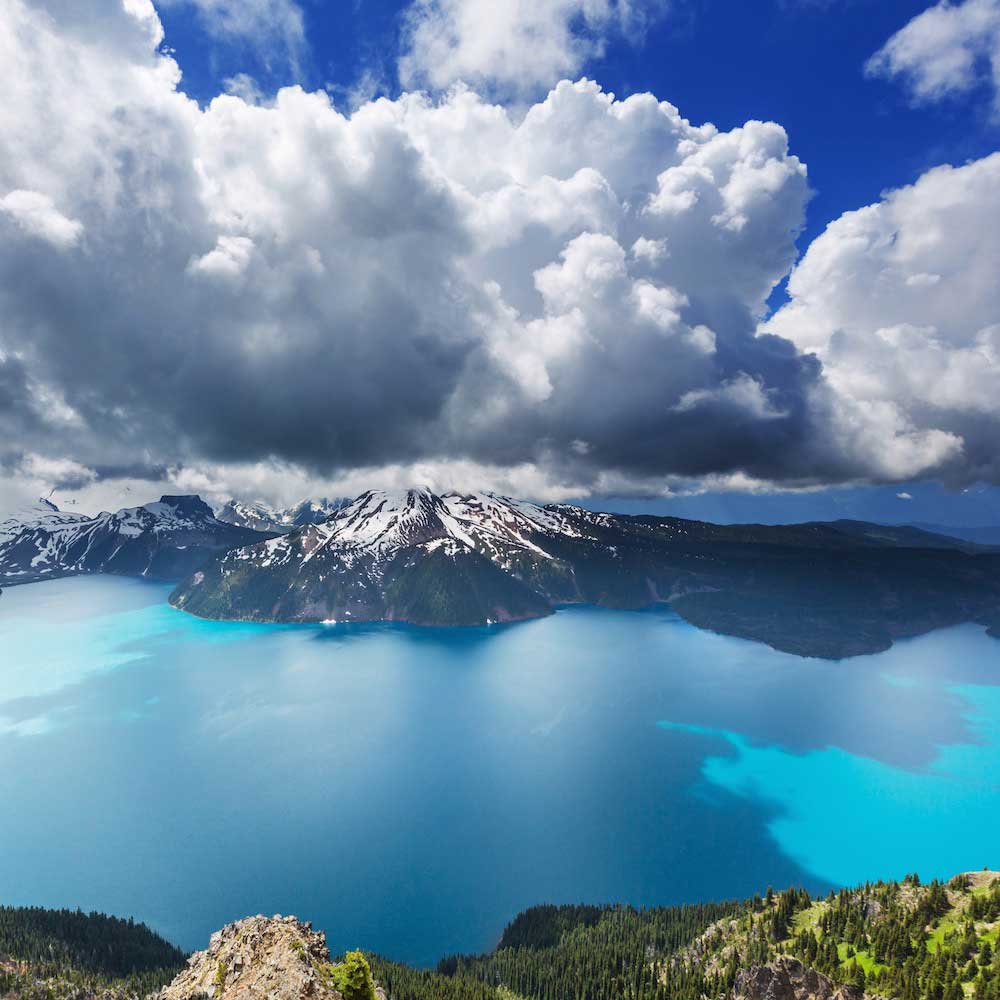
Summer brings the peak season for visiting Wedgemount Lake, with warmer weather and more accessible trails. The lake's stunning turquoise waters, set against the backdrop of rugged peaks and glaciers, are a magnet for hikers and campers. July and August offer the most stable weather conditions, with long daylight hours allowing for extended exploration. This is the perfect time for swimming for those who can brave the still-chilly waters, and the surrounding meadows bloom with wildflowers, adding splashes of color to the landscape.
Autumn at Wedgemount Lake is a quieter, but no less beautiful, time to visit. The crowds of summer begin to thin, and the landscape undergoes a dramatic transformation as the foliage turns fiery shades of orange, red, and gold. The weather can be unpredictable, with the chance of early snowfall, so visitors should come prepared with layers and be ready for cooler temperatures. The crisp air and clear skies often offer the best conditions for photographing the lake and its surroundings, with the added bonus of experiencing the tranquil beauty of the area without the summer crowds.
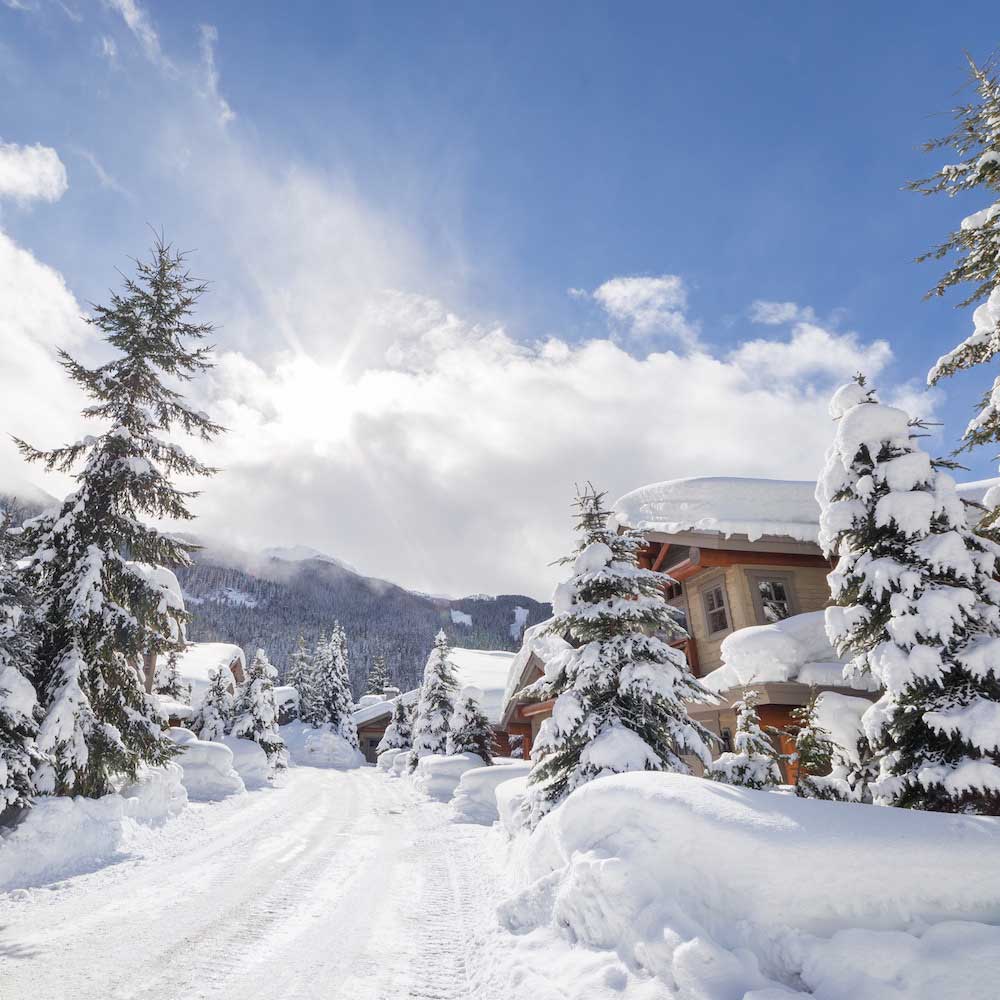
Winter transforms Wedgemount Lake into a serene, snowy wonderland, appealing to adventurers looking for a more challenging and rewarding experience. Access to the lake becomes significantly more difficult, with trails covered in deep snow, making it a popular destination for experienced backcountry skiers and snowshoers. The lake itself freezes over, and the surrounding mountains are blanketed in snow, creating a picturesque alpine environment. Visitors in winter should be well-prepared for cold temperatures and have the necessary equipment and skills for navigating avalanche terrain.