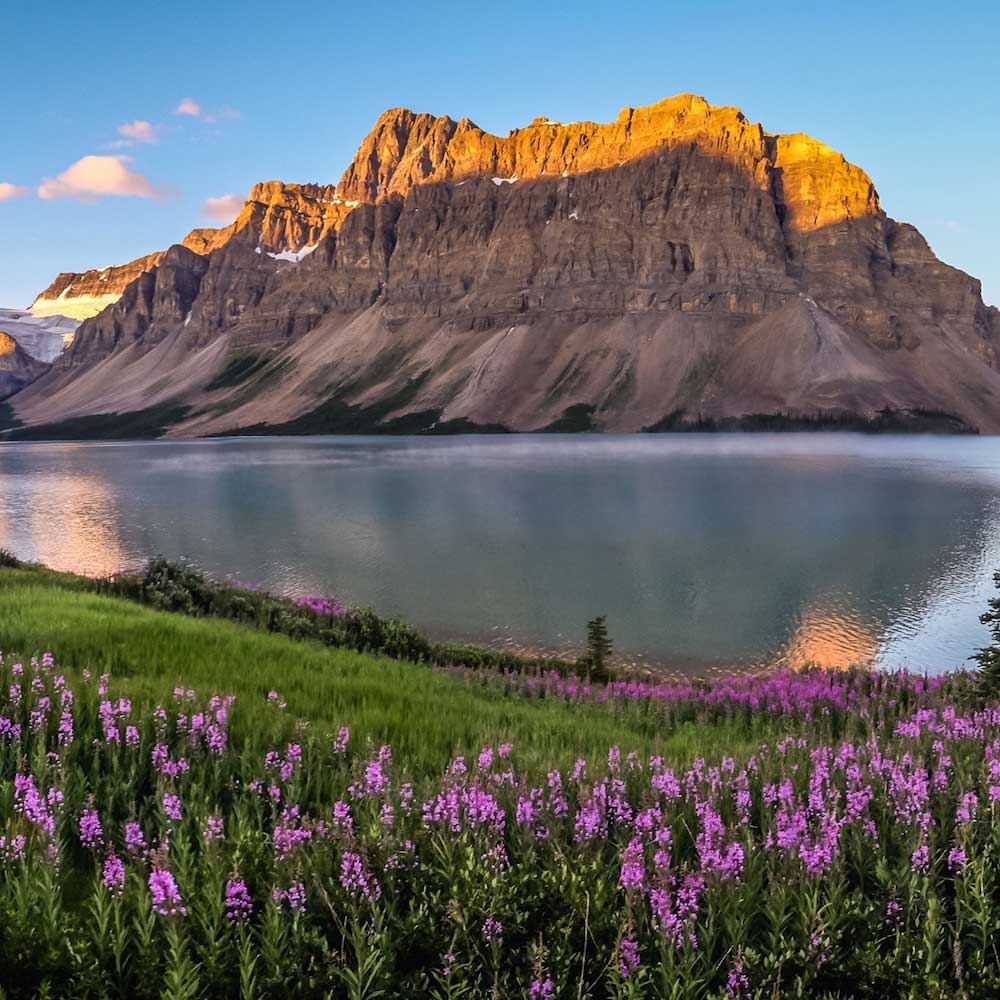
Spring sees Banff National Park awaken to life as the snow begins to recede, uncovering vibrant valleys and thunderous rivers. This period of transformation from April to June is ideal for hikers and wildlife enthusiasts eager to witness nature's rebirth. Emerging animals and blooming wildflowers create a lively scene, perfect for photography enthusiasts. Visitors can expect a mix of weather conditions, ranging from sunny days to occasional snow showers, as the park transitions from the cold embrace of winter to the warmth of summer.
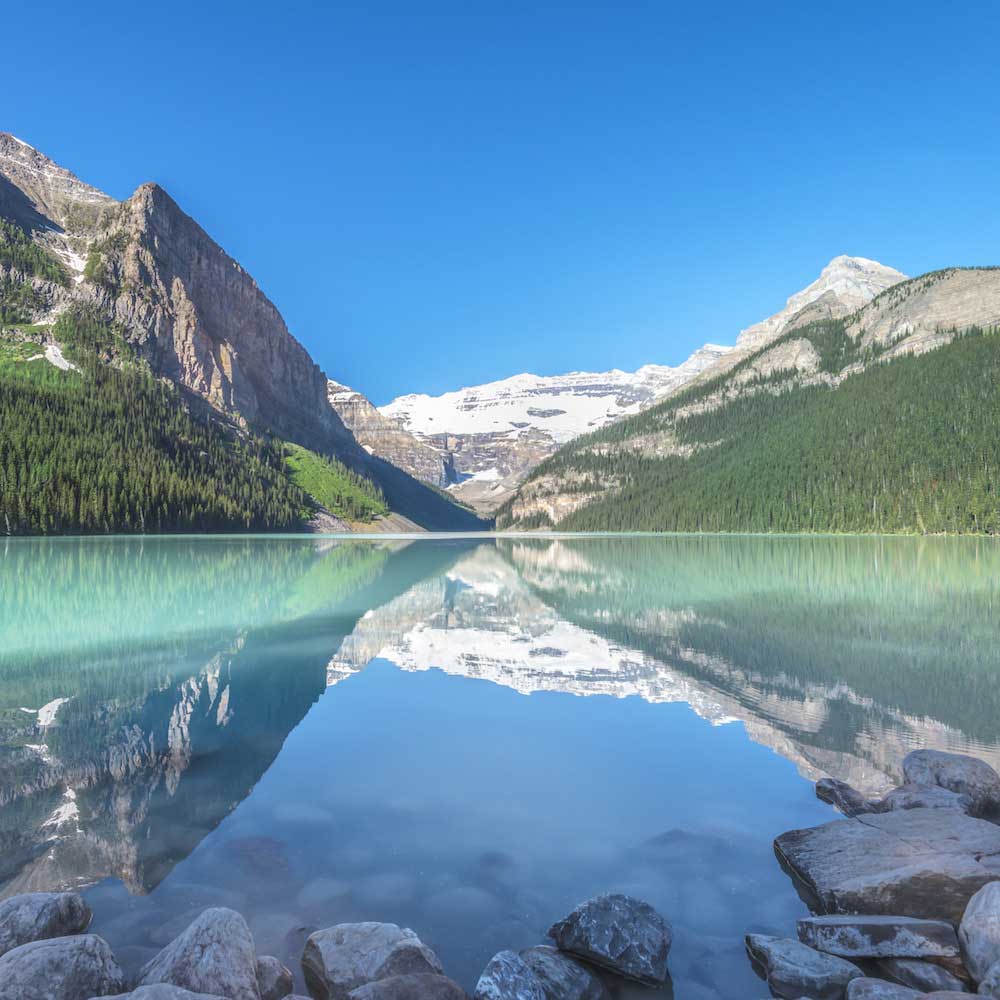
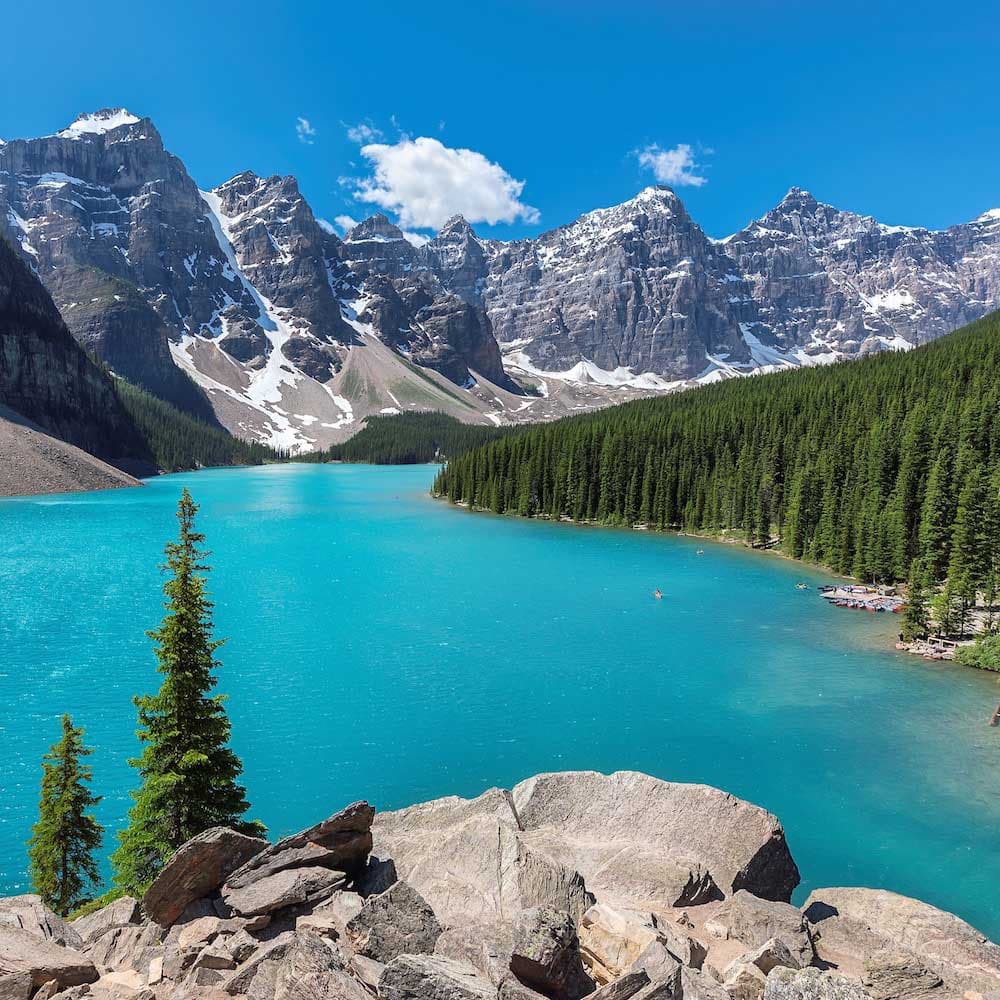
Summer in Banff National Park is a time of full bloom and bustling activity, marking it as the peak season for visitors. Warm weather from July to September encourages exploration of the park's extensive trail network, ranging from leisurely strolls beside glacial lakes to challenging mountain ascents. Iconic lakes like Lake Louise and Moraine Lake reveal their striking turquoise waters, a result of glacial silt, drawing kayakers and nature lovers alike. With longer daylight hours, adventurers can indulge in extended excursions into the stunning landscapes that define Banff.
Autumn brings a serene beauty to Banff National Park, as the foliage turns into vibrant shades of yellow and gold. The crowds of summer thin out from late September to November, offering a tranquil backdrop for those seeking to immerse themselves in the park's natural splendor. The fall season is ideal for scenic drives, such as along the Icefields Parkway, to witness the spectacular display of autumn colors. It's also a prime time for hiking and wildlife observation, with cooler temperatures making outdoor activities more comfortable.
Winter transforms Banff National Park into a serene, snow-covered retreat, distinct from the lush vistas seen in warmer months. This season is a haven for winter sports enthusiasts, with opportunities for skiing, snowboarding, ice climbing, and snowshoeing against a backdrop of stunning alpine scenery. Frozen lakes become enchanting skating rinks, and the snow-laden landscapes offer breathtaking views. Winter also features unique cultural events, including the Banff Mountain Film and Book Festival and the Ice Magic Festival at Lake Louise, where ice sculptures add to the magic of the season.