
New Orleans and the Music That Built It
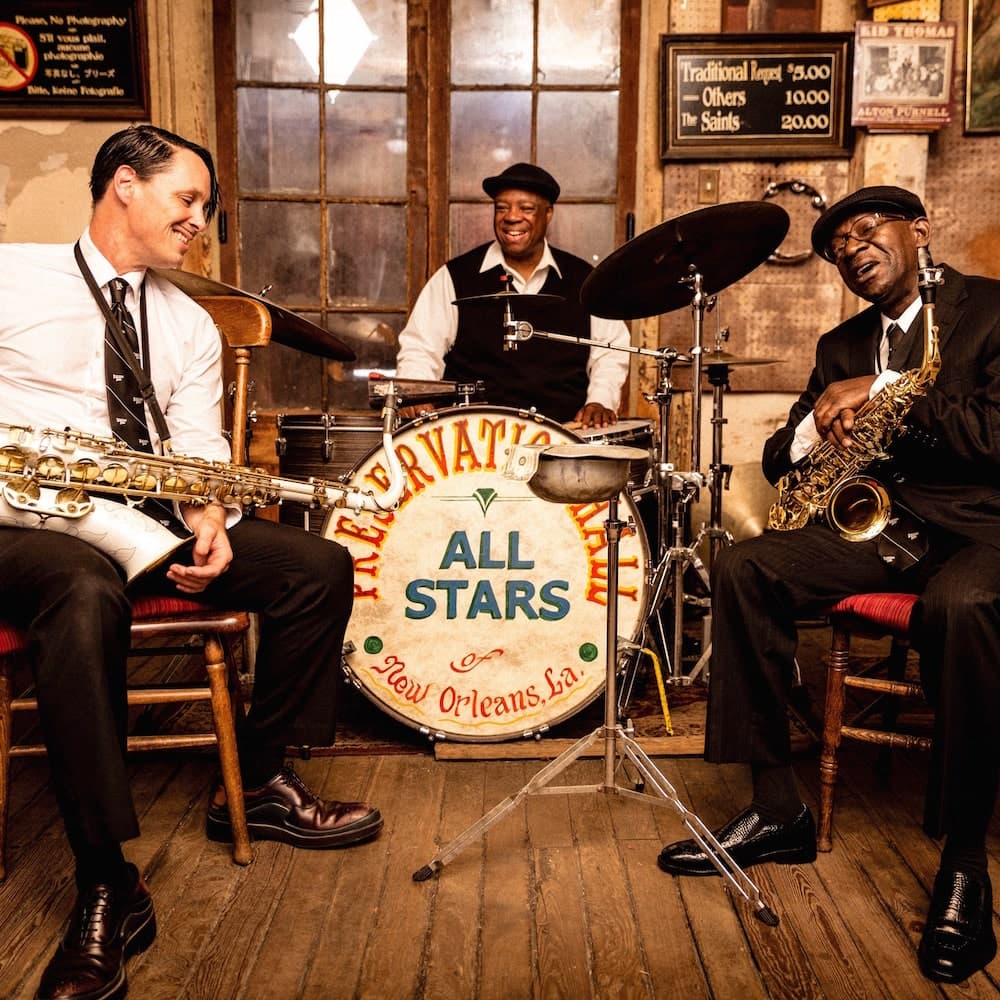
Music drives New Orleans life, from brass bands and jazz clubs to festivals that keep its streets loud, proud, and alive.
New Orleans is the birthplace of jazz, and many regard Preservation Hall as the best spot in Louisiana (if not the world) to hear jazz music. It’s a no-frills venue in New Orleans’ French Quarter that has changed little over the decades, featuring the most authentic jazz you’ll find anywhere. Listen to the sounds of traditional New Orleans jazz played within the halls of the 1750s French Quarter building, where both veteran and up-and-coming musicians play to continue the effort to preserve and maintain the sounds of New Orleans.
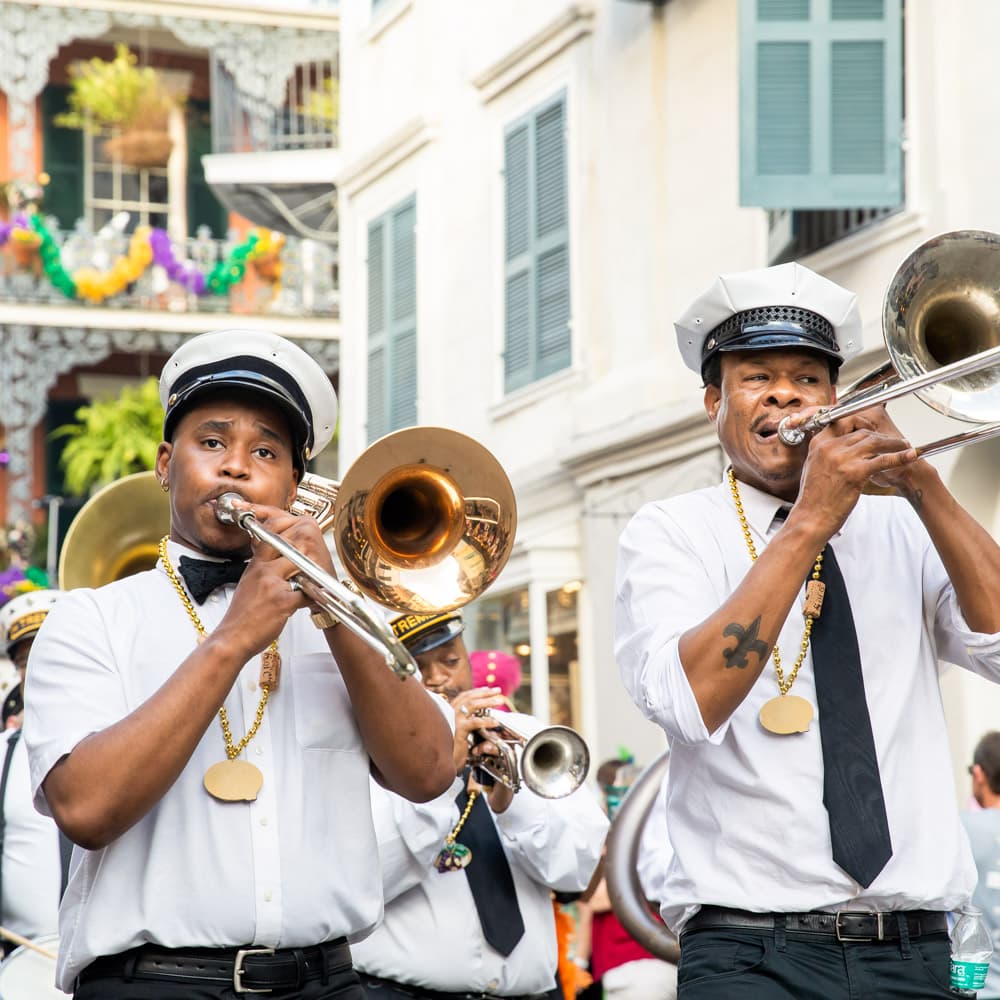
Mardi Gras is French for "Fat Tuesday." Because the 40 days of Lent are considered a period of sacrifice, Fat Tuesday is seen by many as an appropriate time for indulgence and festivity – a last chance at revelry. In Louisiana, they're good at that. Mardi Gras is celebrated with parades big and small, with riders on floats throwing beads, toys and trinkets, and not only in New Orleans. And you can’t celebrate Mardi Gras without a slice or two of king cake, adorned with the official colors of Mardi Gras - purple (representing justice), green (faith) and gold (power). Venture into Cajun country and you'll get to experience an entirely different 'Courir de Mardi Gras', with festivities primarily based around food and family fun.
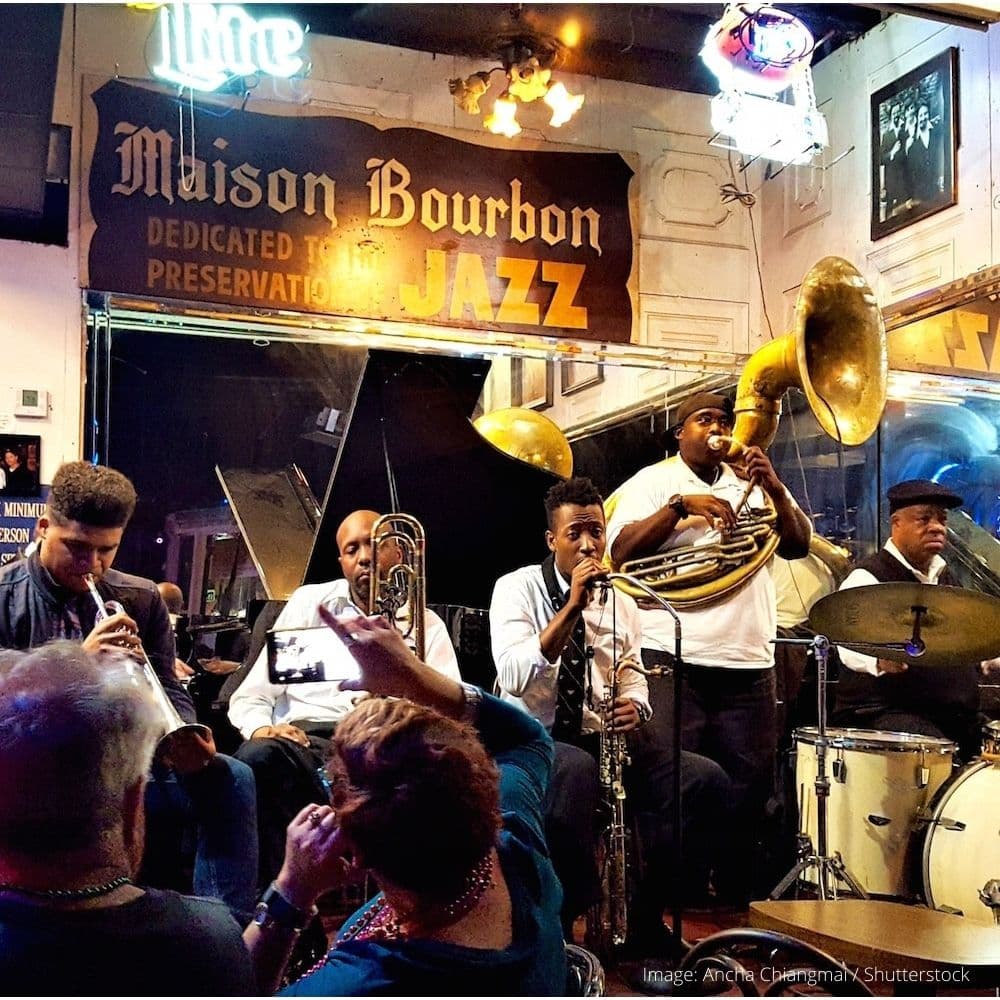
After filling up on delicious New Orleans cuisine, a great way to end the night is on Bourbon Street – extending thirteen blocks through the French Quarter, roaring with music and lined with neon lights and lively watering holes. Check out Lafitte’s Blacksmith Shop Bar, presumed to be the oldest structure used as a bar in the country, built between 1722 and 1732. It’s believed that this was famed pirate Jean Lafitte’s base for his smuggling operation between 1772 and 1791. Other great spots include the historic Old Absinthe House or The Swamp – complete with a bamboo courtyard and prime views of Bourbon Street from their balcony.
Advertisement

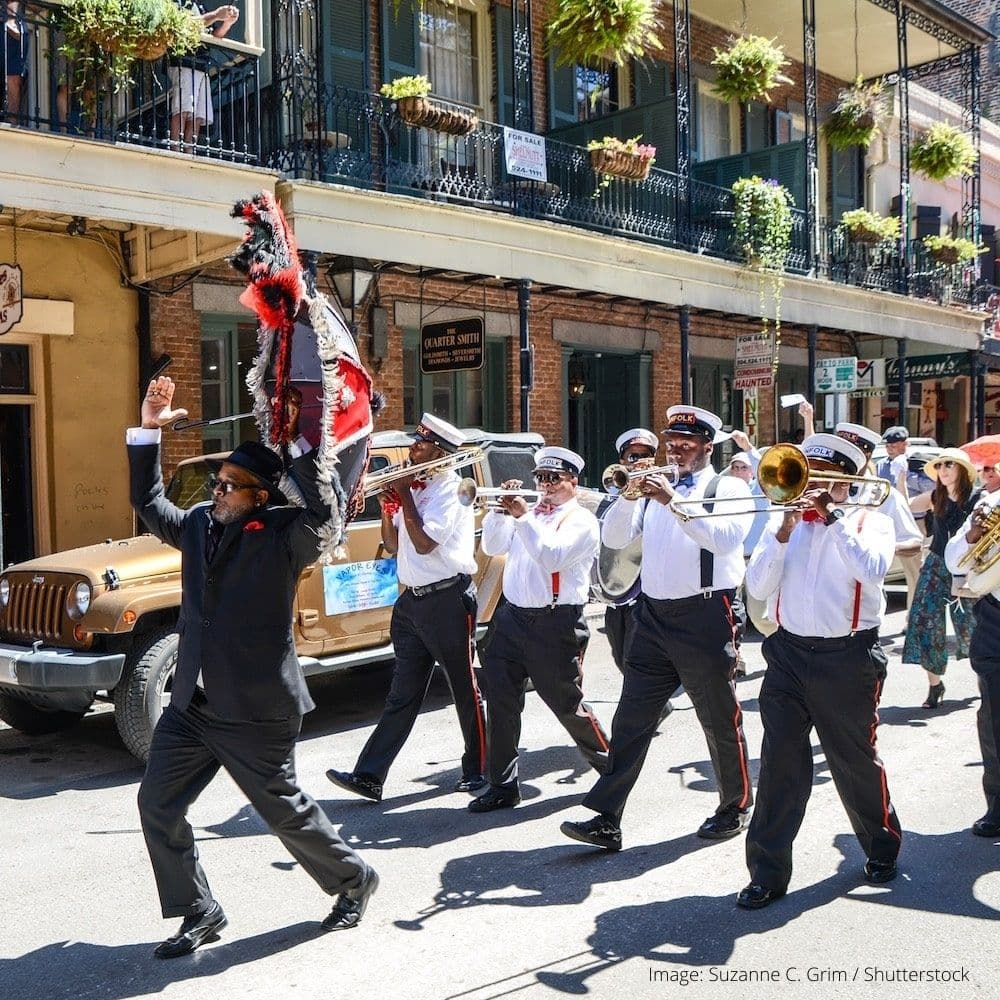
Situated in New Orleans' French Quarter, and dating back to the early 1700's, Royal Street is one of the oldest streets in the city. Today, the street is lined with shops, galleries and boutique hotels, with buskers and street performers entertaining the visiting crowds.
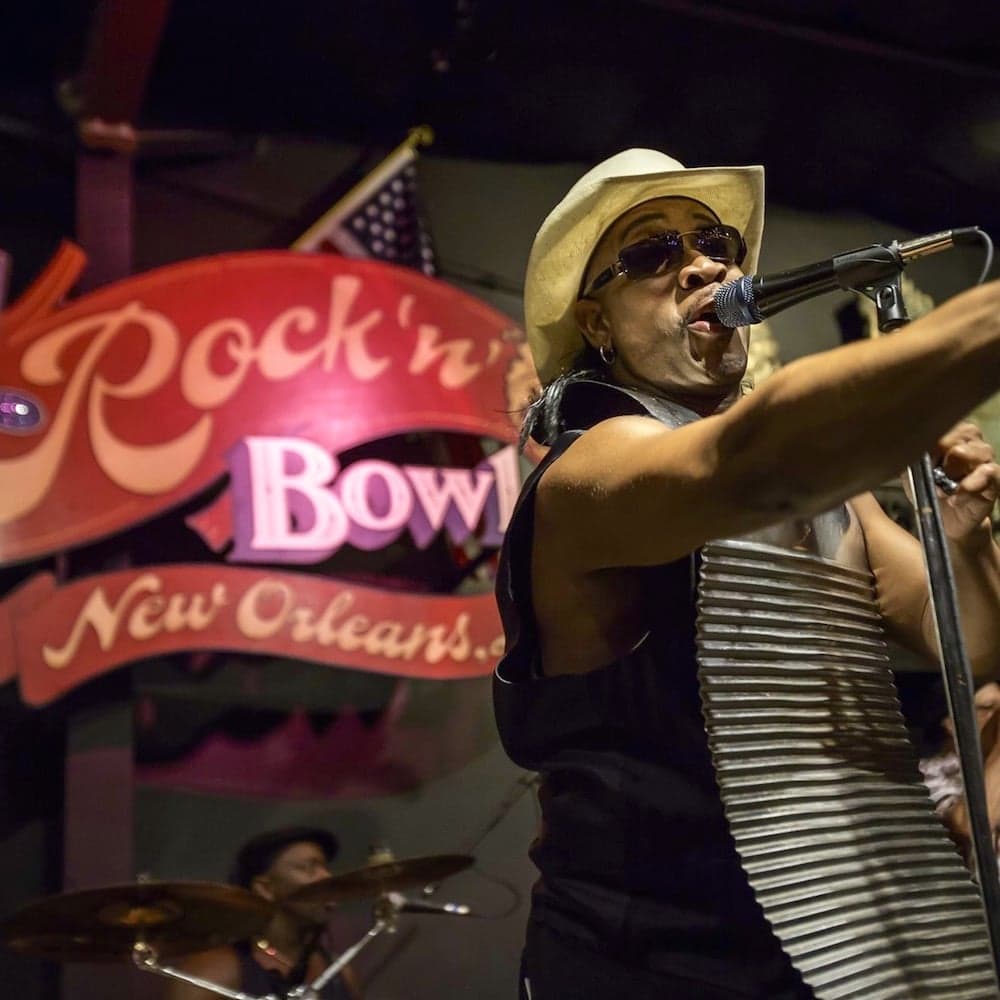
New Orleans’ flair for quirkiness is on full display at this combination music venue and bowling alley. While New Orleans is predominantly known for its jazz, this venue is known for highlighting the lively sounds of Zydeco – complete with accordions and washboards. Early zydeco was a blend of Louisiana French accordion music and Afro-Caribbean beats and sat at the crossroads of Creole, Cajun, gospel and the blues, yet has since evolved to include influences from several other genres. At Rock’n’Bowl, you can dance to the beats, knock over some pins and refuel with a bite to eat.
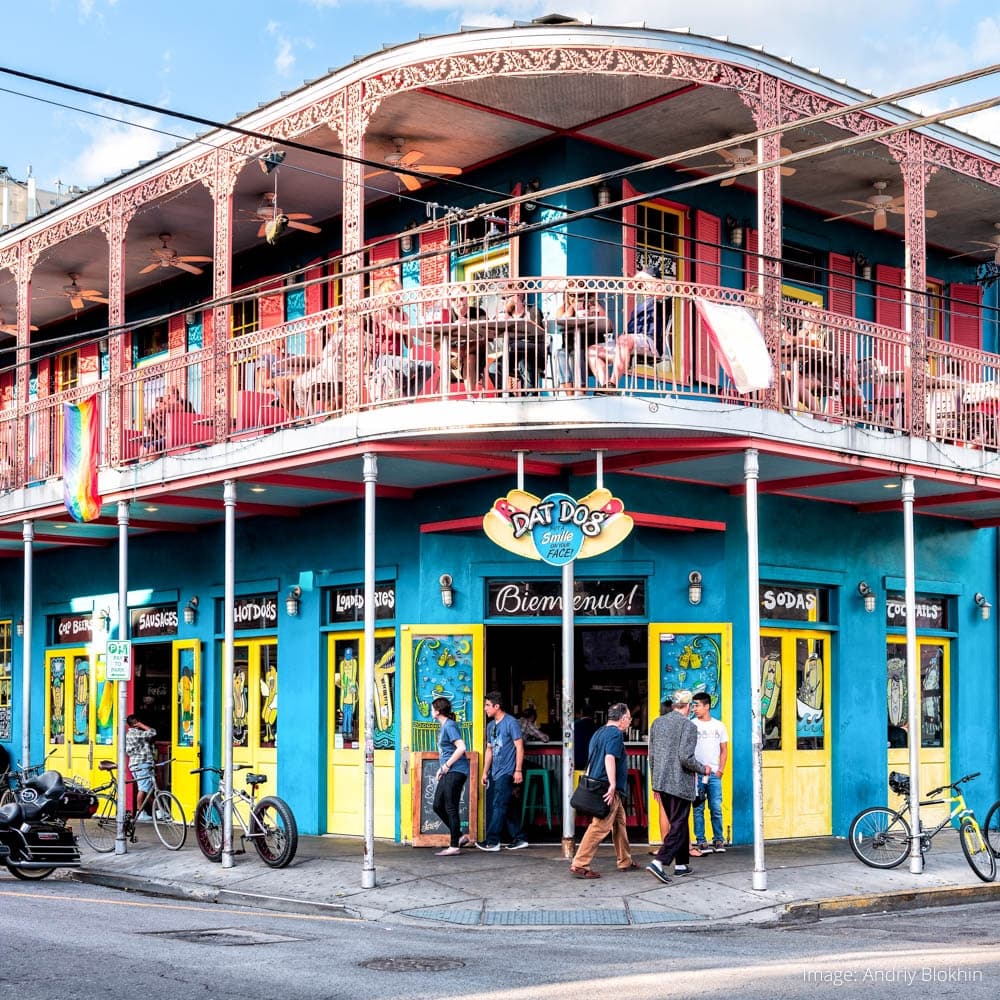
Frenchmen Street is where live music fills the air, locals gather, and every corner feels alive. You can move from jazz clubs to street performers, grab late-night bites, and explore local art at the night market. It’s a more authentic and laid-back experience compared to Bourbon Street, filled with rhythm, energy, and real New Orleans charm. If you want genuine nightlife with character, this is where you’ll find it.
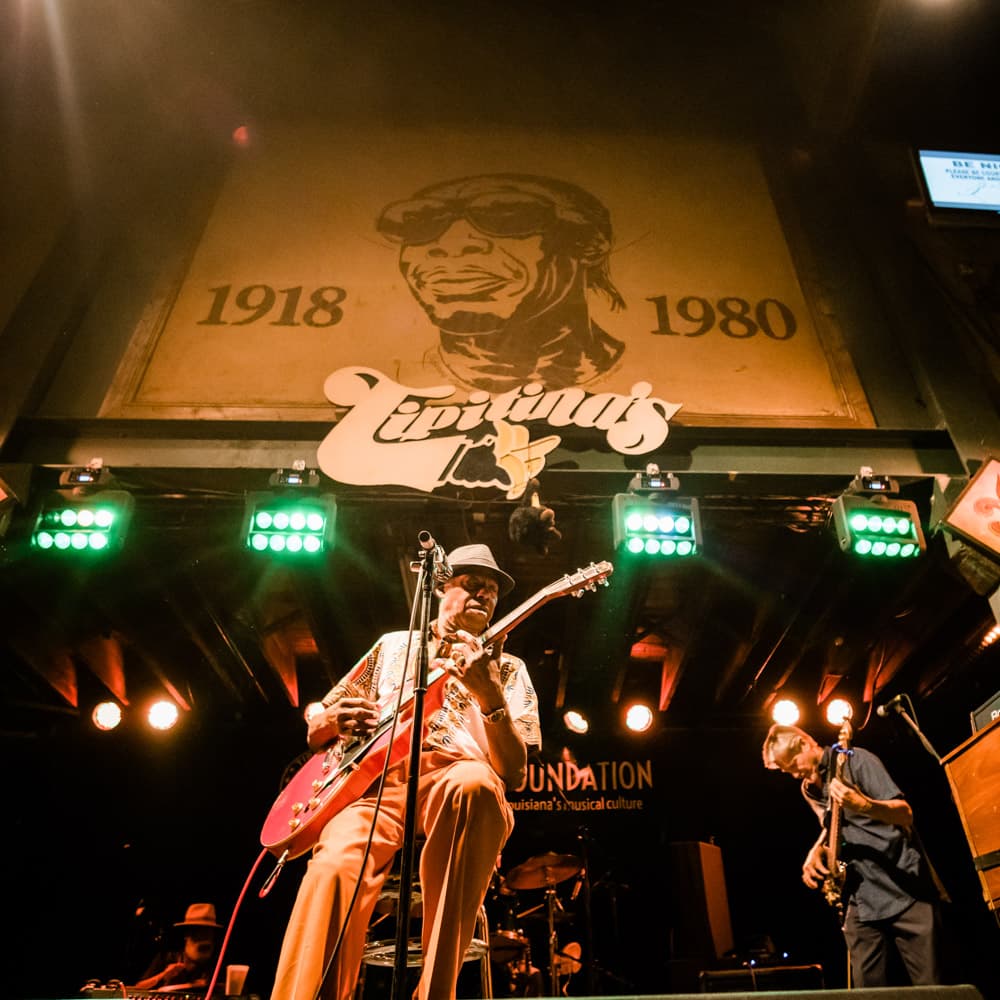
Tipitina’s is a legendary music venue that truly captures the city’s spirit. Known for its rich history and unforgettable live shows, it’s where you can hear everything from funk and jazz to blues and rock. The atmosphere is electric, with locals and visitors sharing the same love for great music. It’s not about flash or glamour, just real talent and the unmistakable sound of New Orleans.