
Unmissable Stops on Route 66
The essential places, towns and roadside icons that belong on every Route 66 road trip.
Route 66 is more than a road between Chicago and Santa Monica. It’s a journey through classic Americana, neon-lit towns, desert landscapes, legendary motels and places that have become part of the story of the Mother Road. From the starting point in Chicago to the Pacific Ocean in Santa Monica, these are the stops we wouldn’t miss along the way.
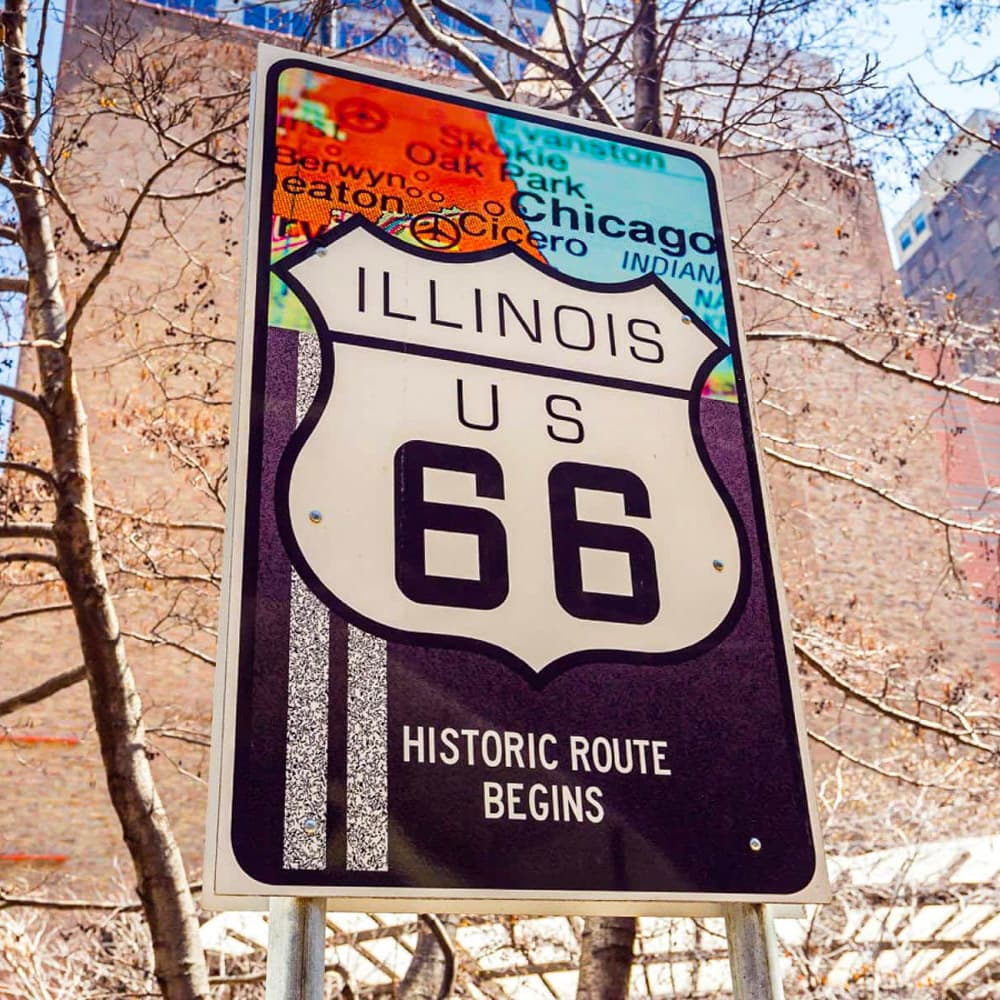
Chicago is where Route 66 begins, and there is plenty to see before the road heads west. The familiar historic starting point is at Adams Street and Michigan Avenue, marked by the brown Begin sign near the Art Institute. In 2026, Route 66 was extended to Navy Pier for its centennial. From downtown, the route continues west through Chicago, so you can see parts of the city before properly getting into the Illinois stretch of the drive.
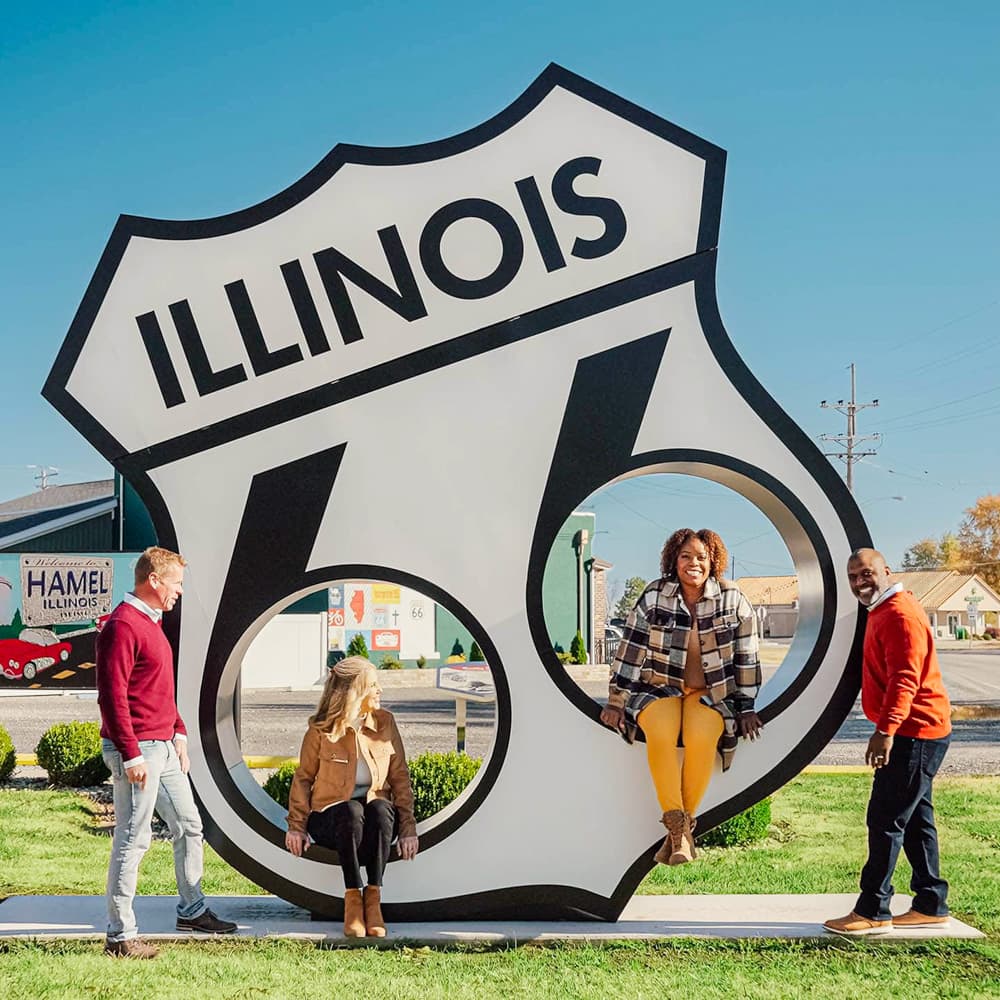
Hamel is a small Route 66 stop that feels refreshingly uncomplicated. The historic highway passes directly through the village, so it is easy to pull in and find old roadside buildings, Route 66 signs, a classic local restaurant and a few good photo stops. It is only about 30 minutes from St. Louis, but the pace feels much slower. You do not need a full day here, which makes Hamel an easy addition to an Illinois Route 66 drive.
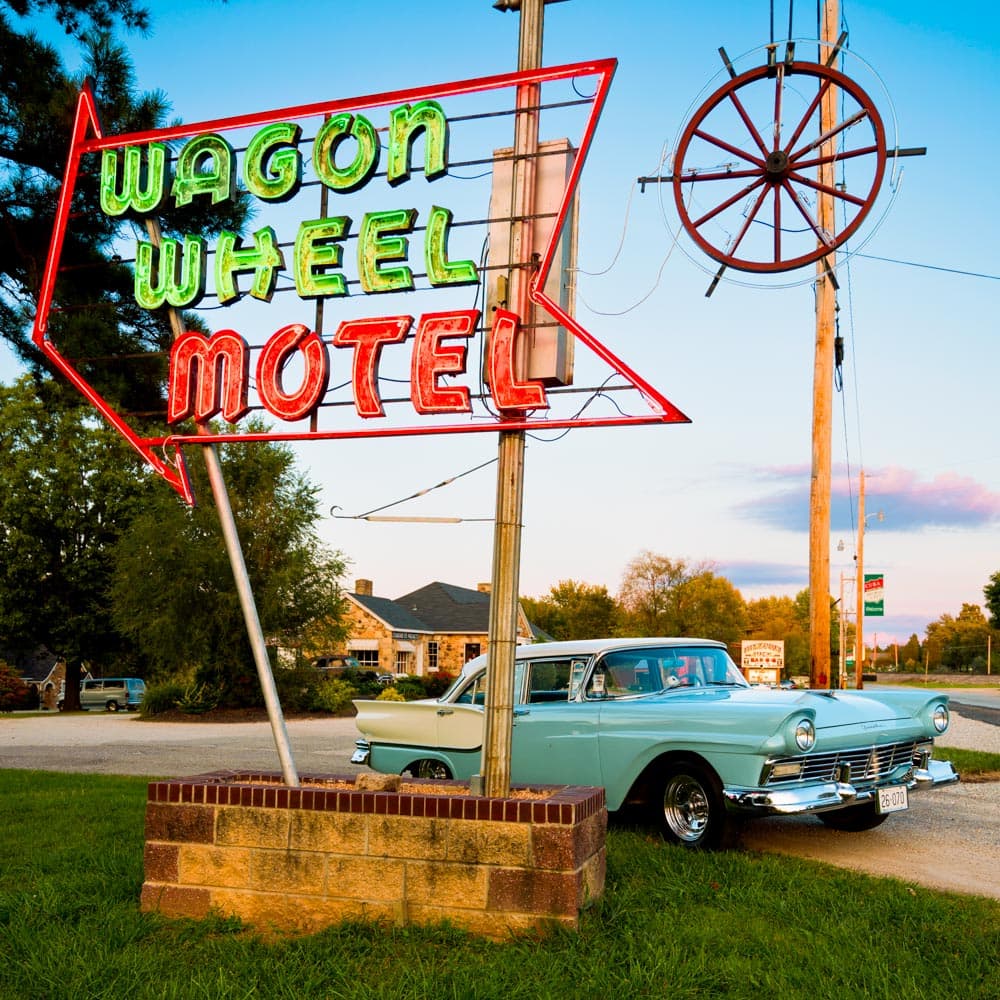
Wagon Wheel Motel is a 19-room, independently-owned motor court along historic US Route 66. Established in 1936, this historic property is sure to give you rest and relaxation with a touch of nostalgia. During your stay, continue 8km west on Route 66 to Fanning Outpost, home of the famous Route 66 Rocker, which once held the title of being the World’s Largest Rocking Chair before it was dethroned in 2015.
Advertisement

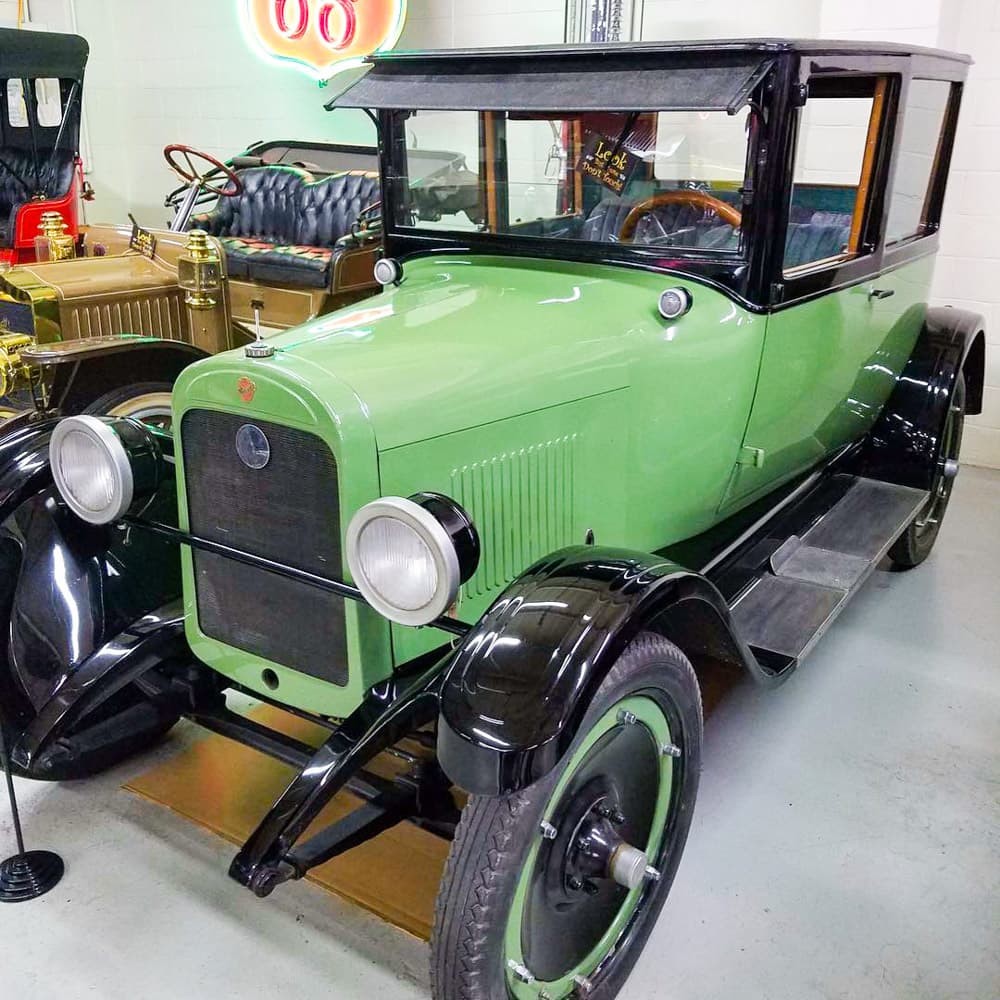
If you're into classic cars and automotive history, the Route 66 Car Museum in Springfield is a must-see. With an impressive collection of over 70 vehicles, including rare and vintage models, it's a fantastic spot to experience a piece of Americana. You'll find everything from early 1900s cars to unique movie vehicles, making it a fun stop for car enthusiasts and history buffs alike. It’s a great way to dive into the golden era of road travel.
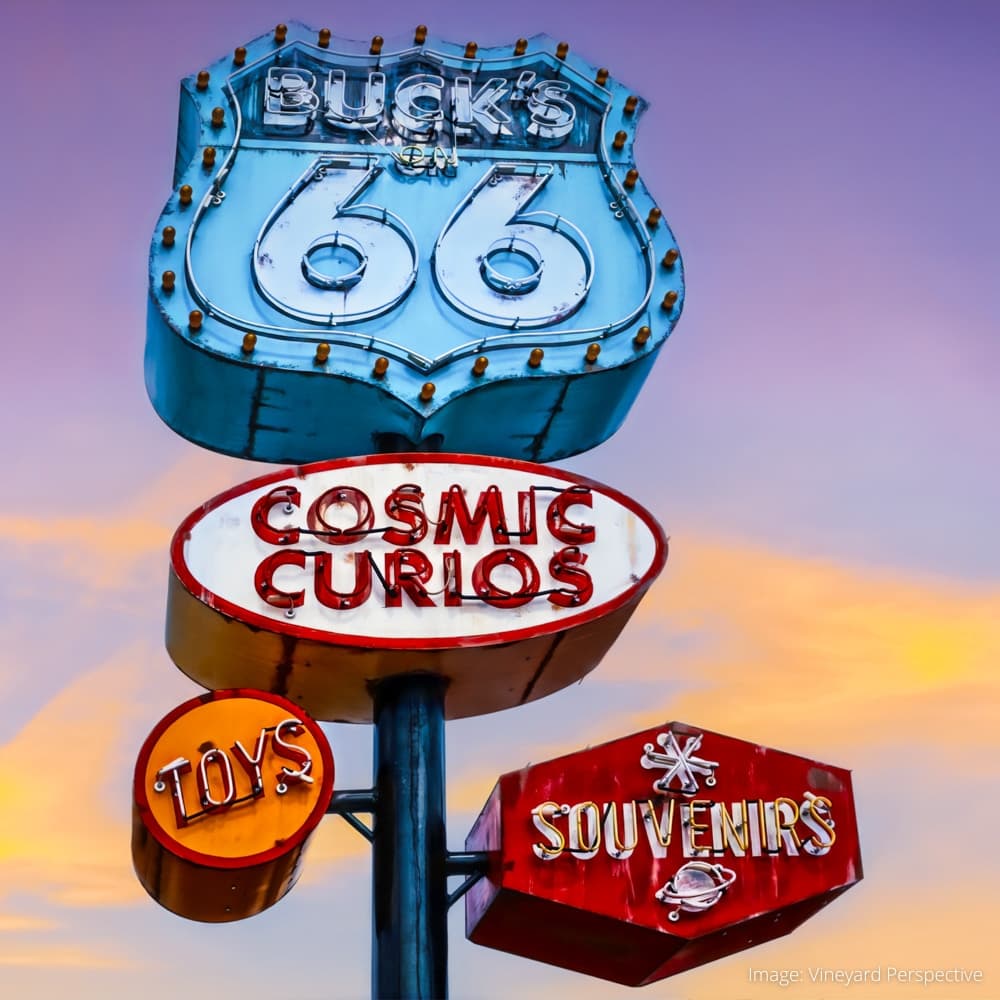
Tulsa is one of the Route 66 stops where it is worth spending more than an hour. The highway runs for about 28 miles through the city, passing neon signs, older roadside buildings, diners and newer places like Mother Road Market. Tulsa also has an important connection to the road’s history because local businessman Cyrus Avery helped shape Route 66 in the 1920s. There is enough along the route here to easily fill an afternoon or longer.
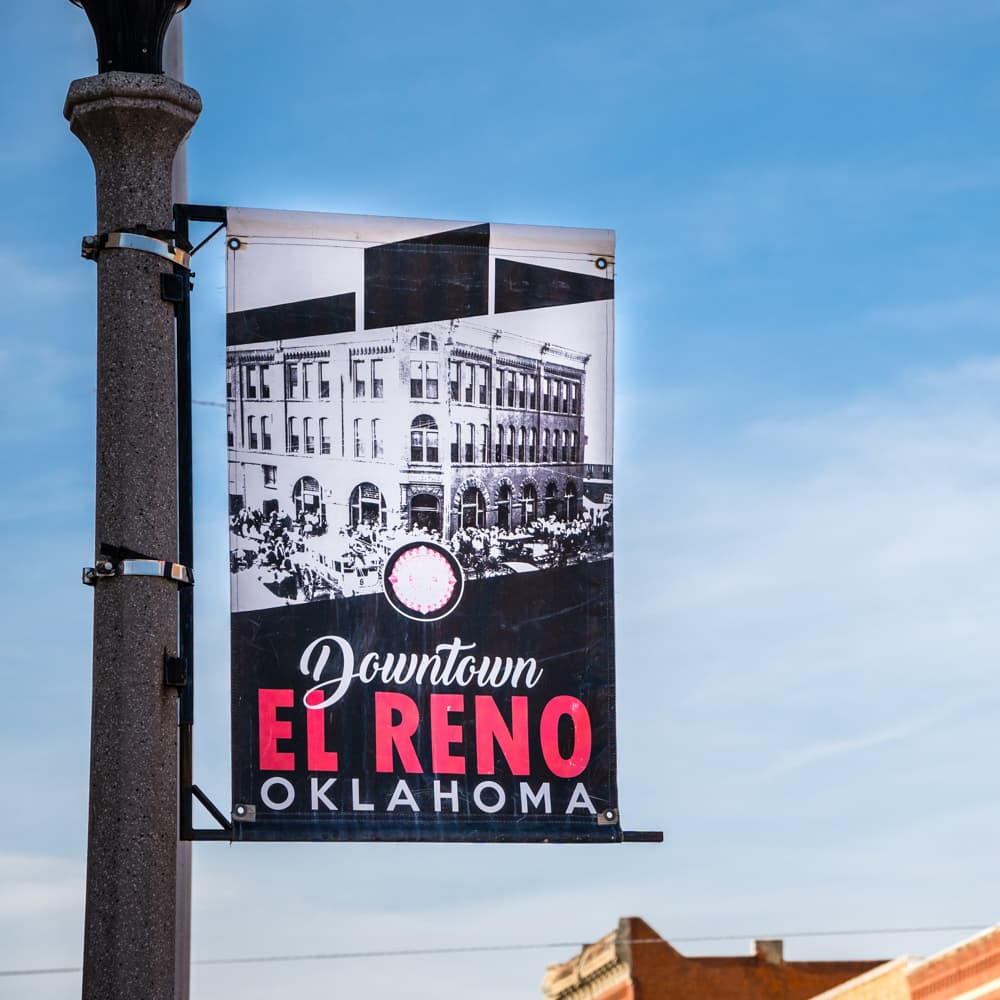
El Reno is the kind of Route 66 stop where the town’s history is still part of everyday life. Route 66 passes directly through town, crossing the old Chisholm Trail and running close to downtown. You’ll find historic road markings, classic roadside sights and El Reno’s famous fried onion burgers, which have been served here for generations. There’s enough to look around without the town feeling overly touristy, making it an easy and worthwhile stop on an Oklahoma Route 66 drive.
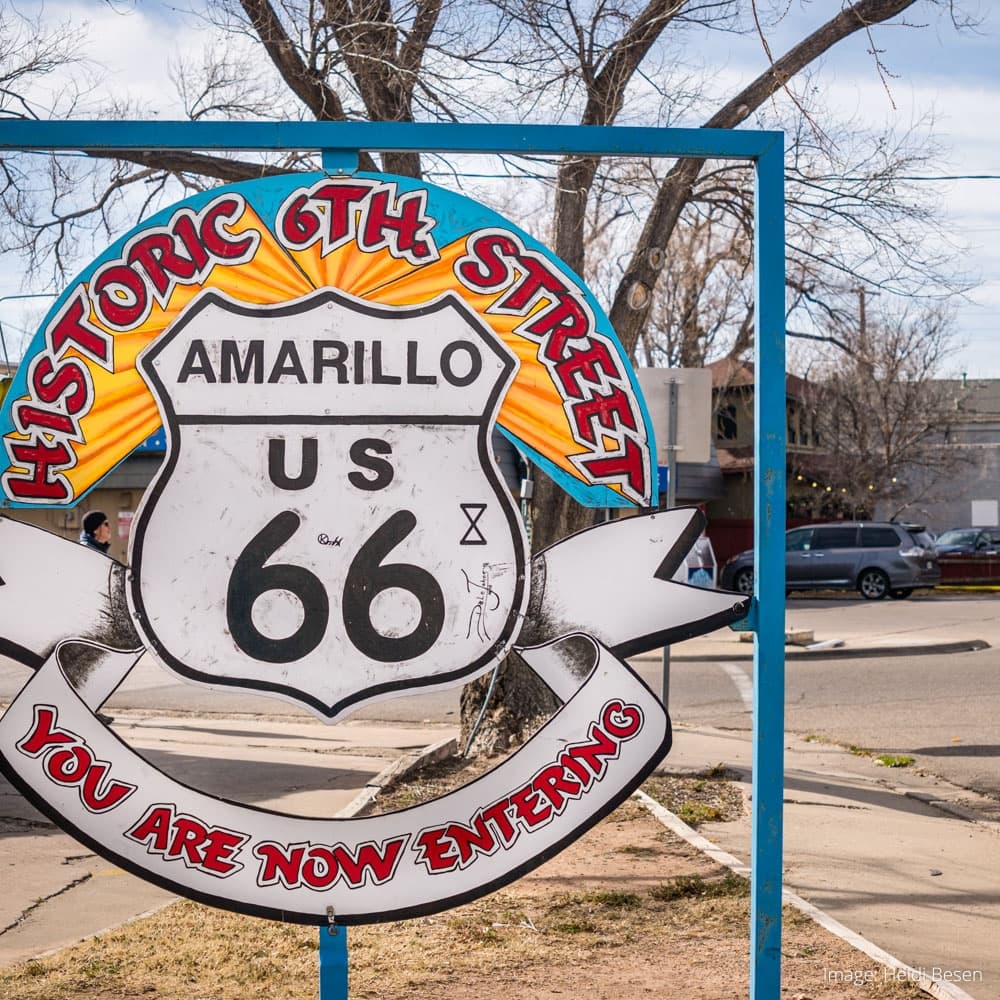
Route 66 passes straight through Amarillo, and its best-known historic stretch runs along Sixth Avenue. The mile-long district is lined with old storefronts, antique shops, galleries, restaurants, bars and Route 66 signs that keep the road’s history visible without making the area feel staged. Murals and vintage buildings add plenty to see along the way, while Amarillo’s strong Texas identity gives this section of Route 66 its own character compared with other stops along the highway.
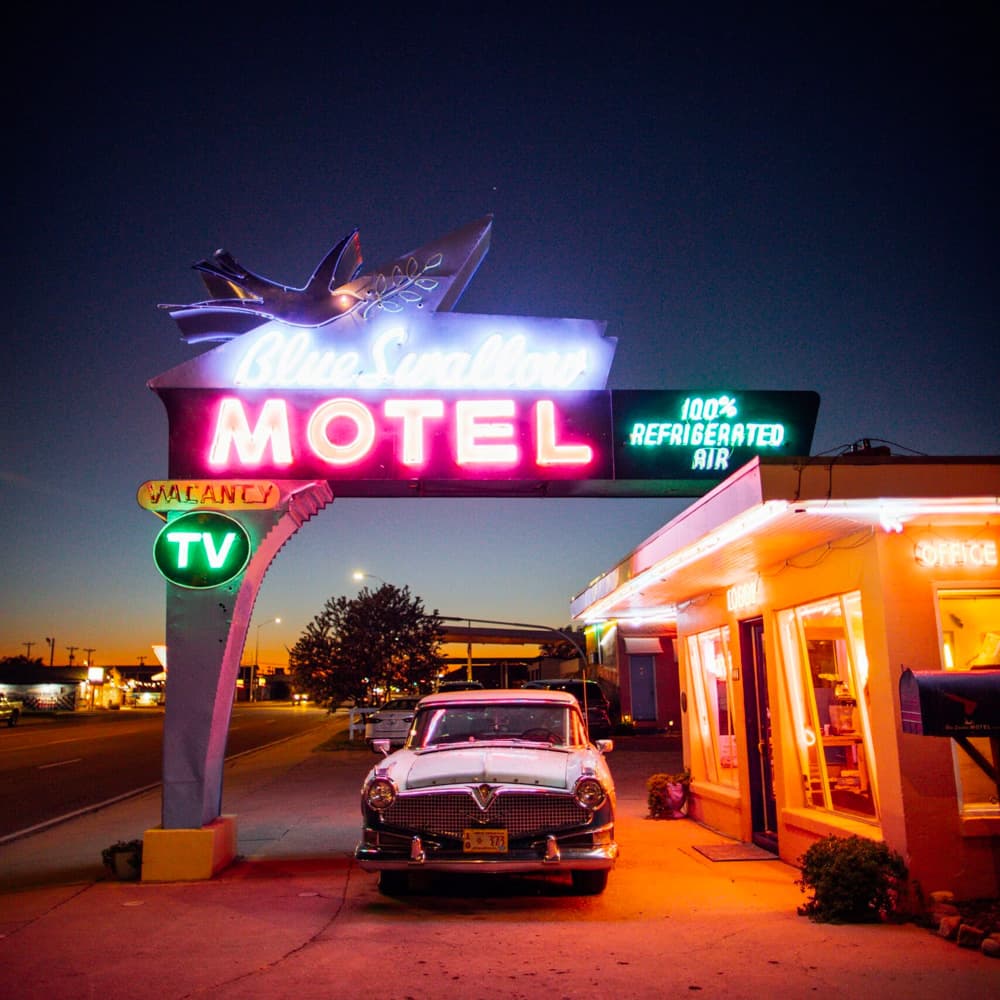
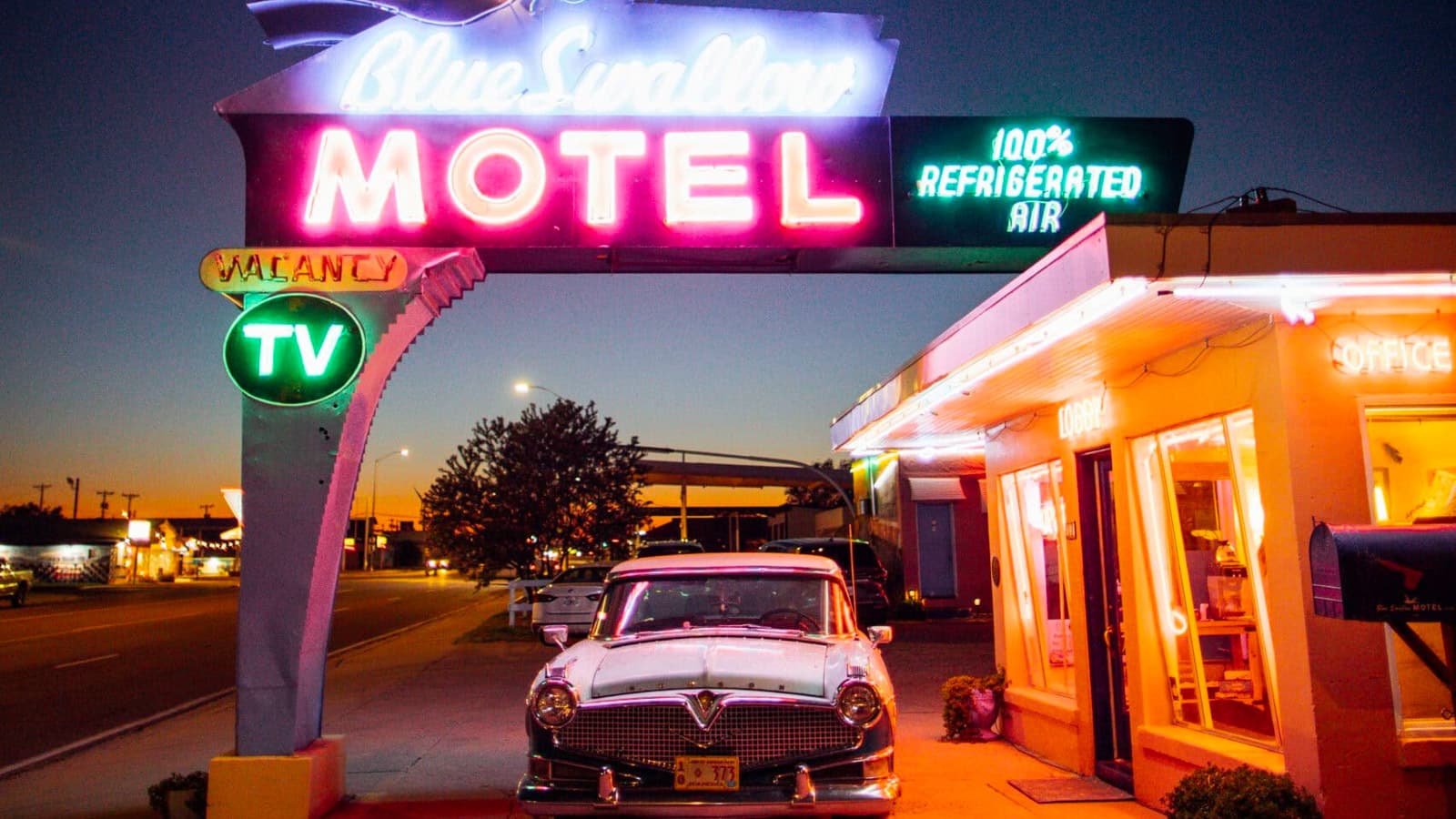
Historic Route 66 runs straight through Tucumcari, and the Blue Swallow Motel is one of the town’s best-preserved reminders of the highway’s heyday. The motel dates back to 1939 and still has its pink stucco exterior, attached garages and famous neon sign, which looks especially good after dark. It is still operating as a motel rather than simply being preserved as an attraction, and it has been listed on the National Register of Historic Places since 1993.
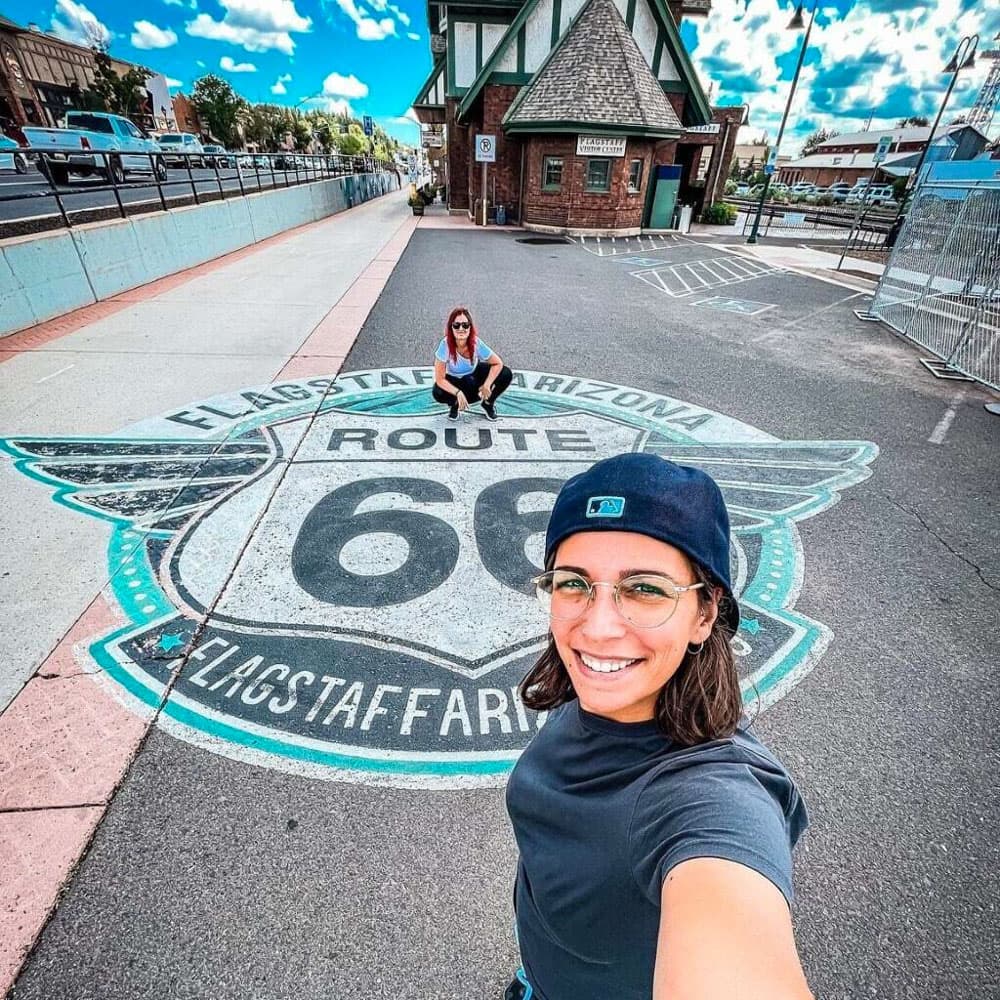
Flagstaff is a Route 66 stop that has a lot more going on than just the highway itself. Route 66 runs right through town, passing old motels, neon signs and roadside buildings that still hint at its classic road-trip past. Downtown is close by, with cafés, breweries and local shops that make it easy to spend a few hours exploring. The pine forests, mountain views and cooler weather also make this stretch feel very different from Arizona’s desert Route 66 towns.
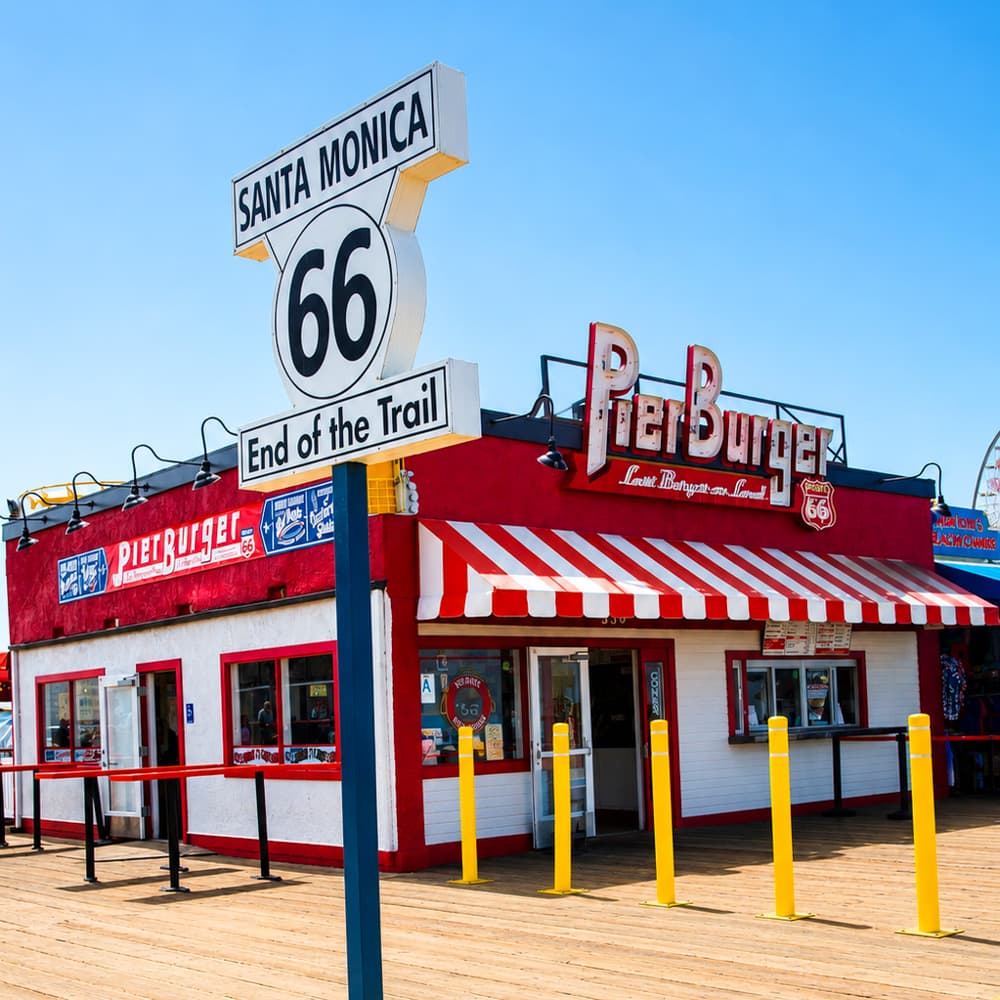
Route 66 ends in Santa Monica after crossing eight states from Chicago, making this one of the most important stops on the highway. The historic endpoint is at Lincoln and Olympic Boulevards, while the End of the Trail sign on Santa Monica Pier has become the better-known photo stop. From there, the beach, pier, restaurants and downtown are all within easy reach, so it is easy to spend some time exploring the area before moving on.