
11 Must-Visit Places in New Orleans
New Orleans is a city full of vibrant culture, rich history, and unique experiences. From its lively music scene to iconic architecture, there are countless spots to explore. Whether you’re strolling through the French Quarter, indulging in local cuisine, or taking in the beauty of the Garden District, the city promises something for every traveler. Explore historic landmarks, enjoy the vibrant nightlife, and discover hidden gems that make New Orleans unforgettable. Each place captures the city’s unique charm, blending tradition with modern flair, making it a destination you’ll want to explore time and time again.
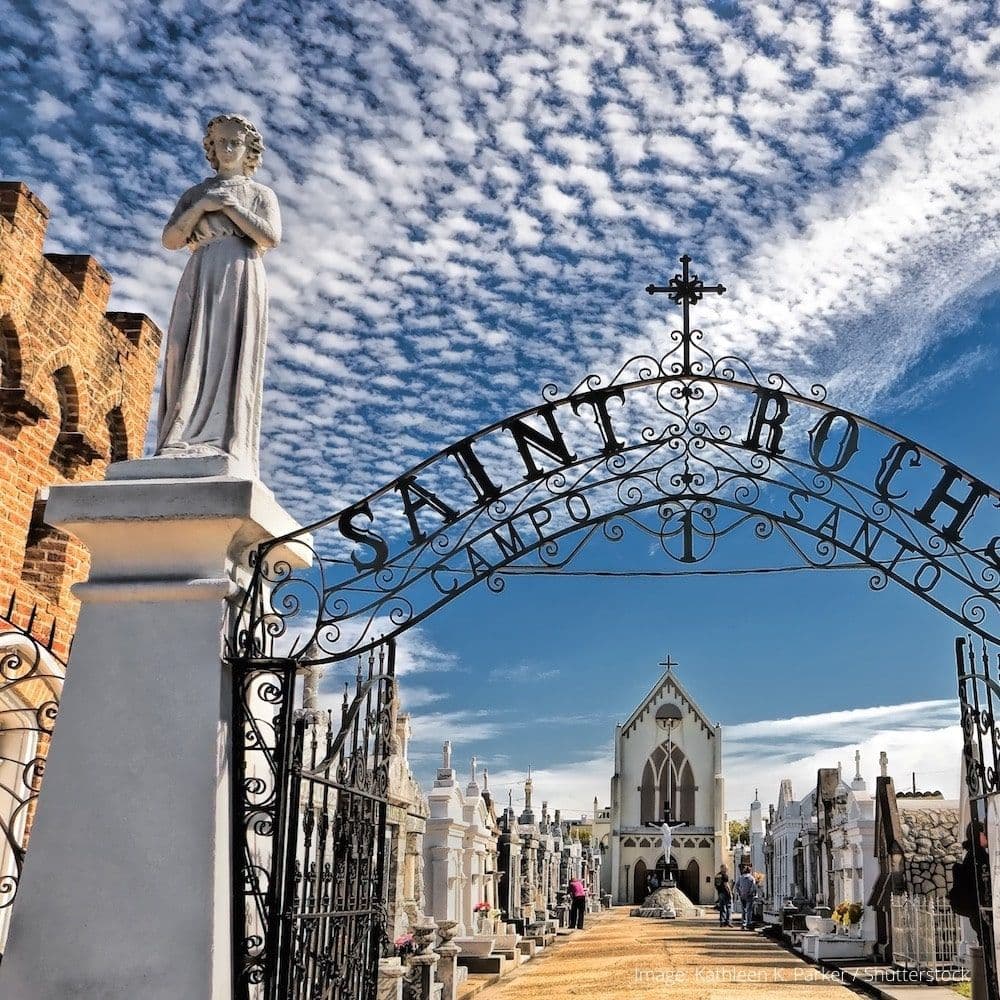
As a city built below sea level, New Orleans was faced with the very real problem of how to bury their dead. The city agreed the best solution was to entomb the departed in elaborate above-ground chambers, which have now become one of the most historic, and haunted, attractions in New Orleans. There are many such cemeteries to explore in and around the city, either by guided tour or on your own. The cemeteries, sometimes called “Cities of the Dead,” resemble little villages and are embellished with sculptures and other decorative artwork.
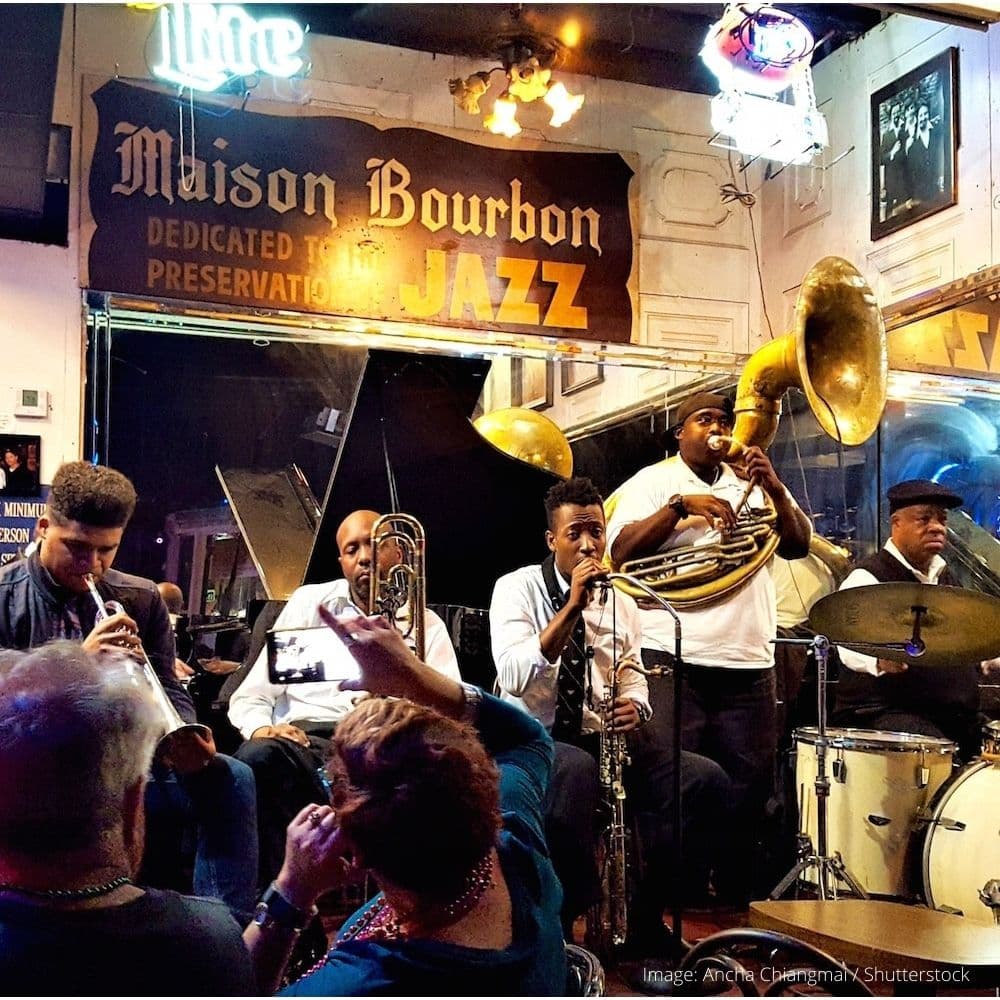
After filling up on delicious New Orleans cuisine, a great way to end the night is on Bourbon Street – extending thirteen blocks through the French Quarter, roaring with music and lined with neon lights and lively watering holes. Check out Lafitte’s Blacksmith Shop Bar, presumed to be the oldest structure used as a bar in the country, built between 1722 and 1732. It’s believed that this was famed pirate Jean Lafitte’s base for his smuggling operation between 1772 and 1791. Other great spots include the historic Old Absinthe House or The Swamp – complete with a bamboo courtyard and prime views of Bourbon Street from their balcony.

The typical beignet (pronounced ben-YAY) is a fried, fluffy piece of dough served hot and doused with powdered sugar. They’re most often enjoyed with café au lait – a strong dark roast coffee and chicory with equal part hot milk. Beignets became popular at the New Orleans French Market in the 1920s, where they were initially called doughnuts. In 1958, they were rebranded as beignets, and in 1986, beignets became the Louisiana State Doughnut. While you can find some variation of beignets all over Louisiana, Café du Monde - established 1862 in the French Quarter - is the most popular spot.
Advertisement

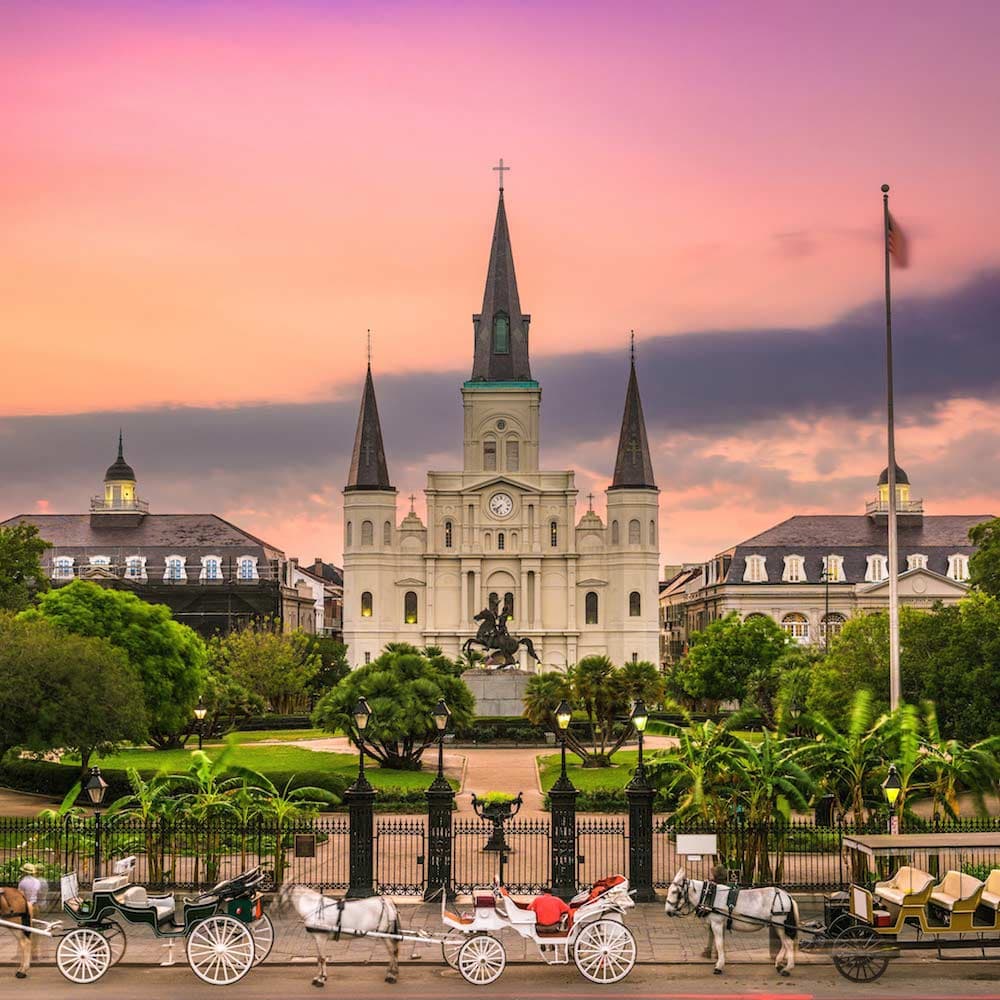
The French Quarter, founded in 1718, is New Orleans’ most historic neighborhood. The Quarter is full of unique museums, modern boutiques and intriguing galleries juxtaposed with beloved restaurants that have called the area home for over a century. Visit Antione’s - one of the country’s oldest restaurants, established in 1840. Shop for trinkets at the French Market, take a ghost tour past Madame LaLaurie’s mansion, and see the iconic St. Louis Cathedral in Jackson Square – the oldest cathedral in the United States. The Cathedral is flanked on each side by the Cabildo and the Presbytère, both Louisiana State Museums.
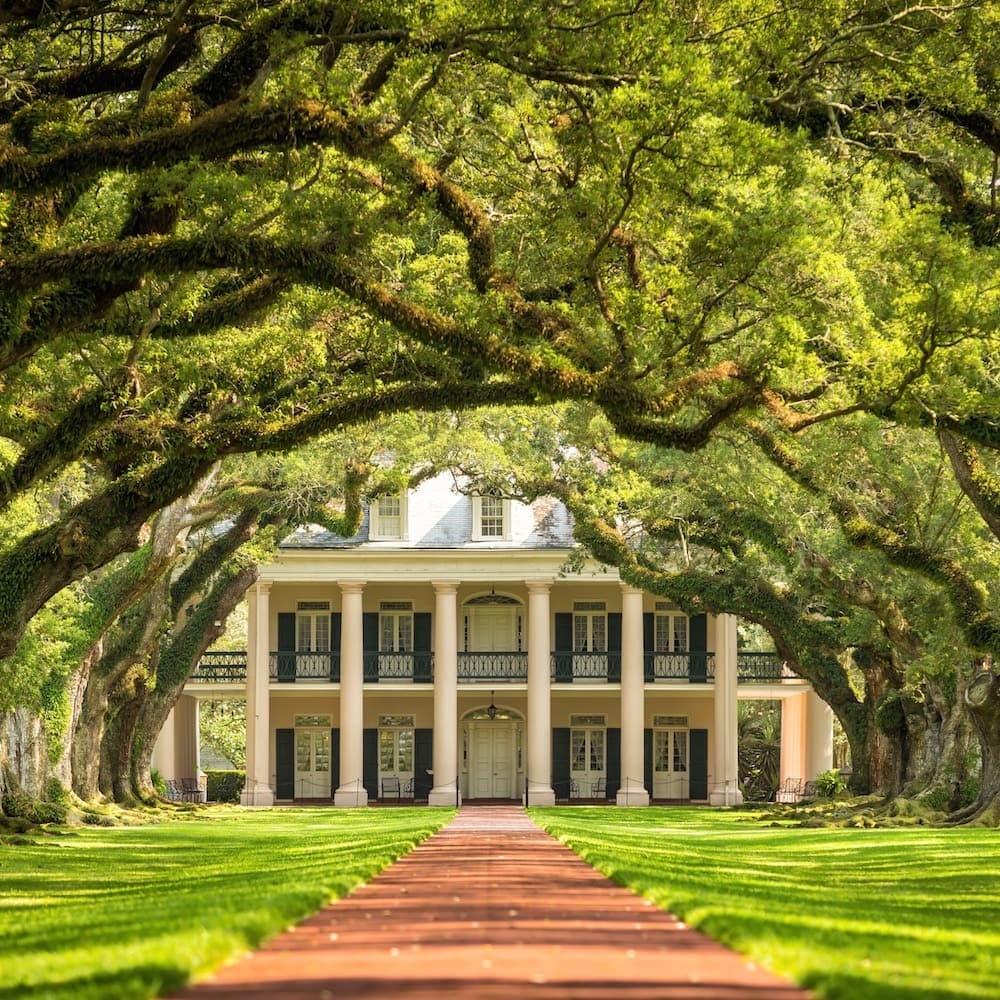
At one point in time, there were more millionaires in New Orleans than any other American city, and the historic plantations they once called home are now popular tourist attractions for visitors to Louisiana. Most of the plantations are within easy driving distance from New Orleans, and some offer overnight accommodation and dining options. Explore over 200 years of history at Oak Alley Plantation in Vacherie. Walk beneath the sprawling oaks and explore wide pastures where a Pecan Grove once thrived. A 1920’s formal garden preserves the remains of an 1830’s kitchen hidden. See the Big House, the Sugarcane Theatre, and the Blacksmith's Shop - a tribute to the enduring legacy of Louisiana craftsmen. Also in Vacherie, Laura Plantation transports you into the complex and intimate relationships of four generations of one Louisiana Créole family, both free and enslaved. Laura's permanent exhibit examines in biographical detail the lives of Africans on the plantation.
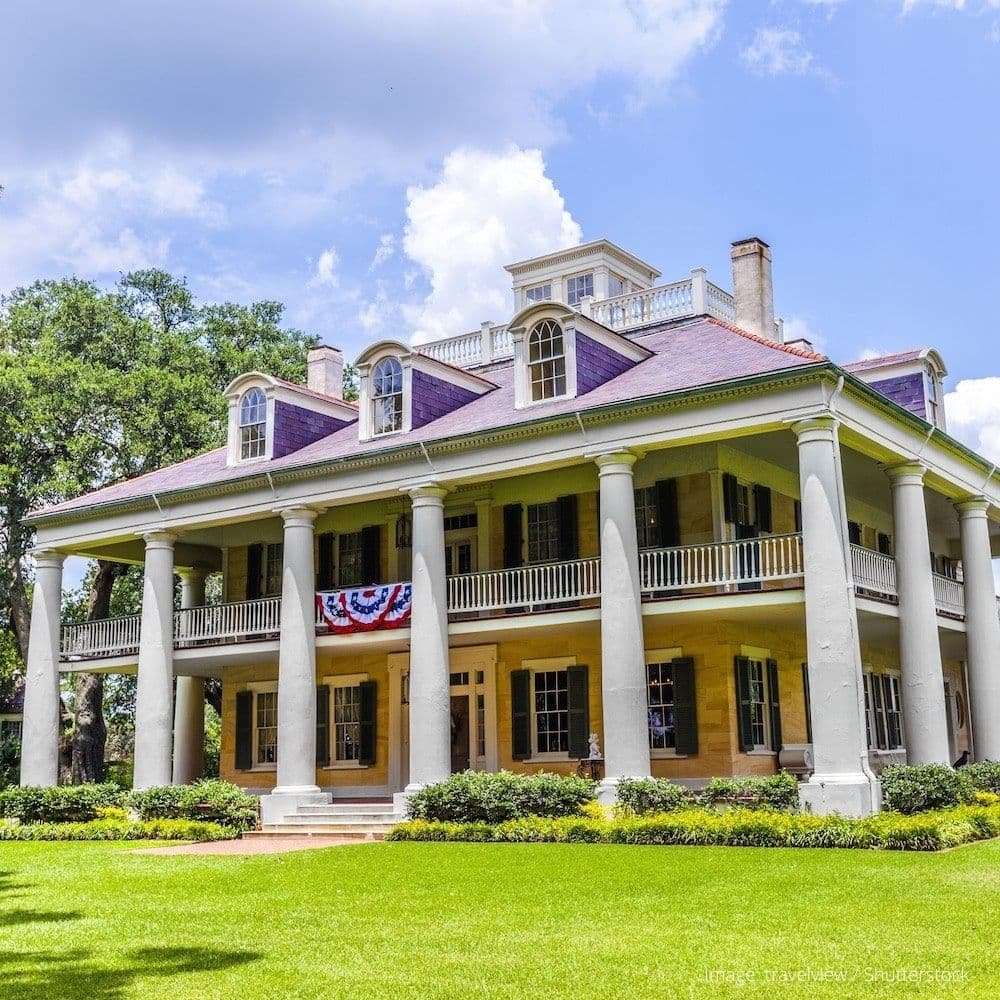
A short drive from New Orleans is Houmas House Plantation and Gardens in Darrow. The mansion rests on 38 acres of gardens and is joined by restaurants and an inn. Guided tours lead guests through the architectural evolution and history of the estate. Then, visit the Great River Road Museum to learn about life on the Mississippi River. The area’s culture, commerce, folklore and music were heavily influenced by the foreign countries that developed the territory. From wealthy owners of sugar empires, to those who were enslaved, this museum details how each lived and survived by the Mighty Mississippi.

The New Orleans School of Cooking is the perfect place to try your hand at cooking a traditional Louisiana meal. Hands-on classes allow guests to get interactive and actually cut, season and prepare a complete dinner with an expert chef. In open demonstration classes, guests simply sit back and watch the skilled, entertaining chefs prepare an authentic Cajun or Creole meal while learning about the vibrant history of New Orleans cuisine. After each class, guests will enjoy the delicious meal, of course. End with a visit to the general store to grab some local products to take home with you.
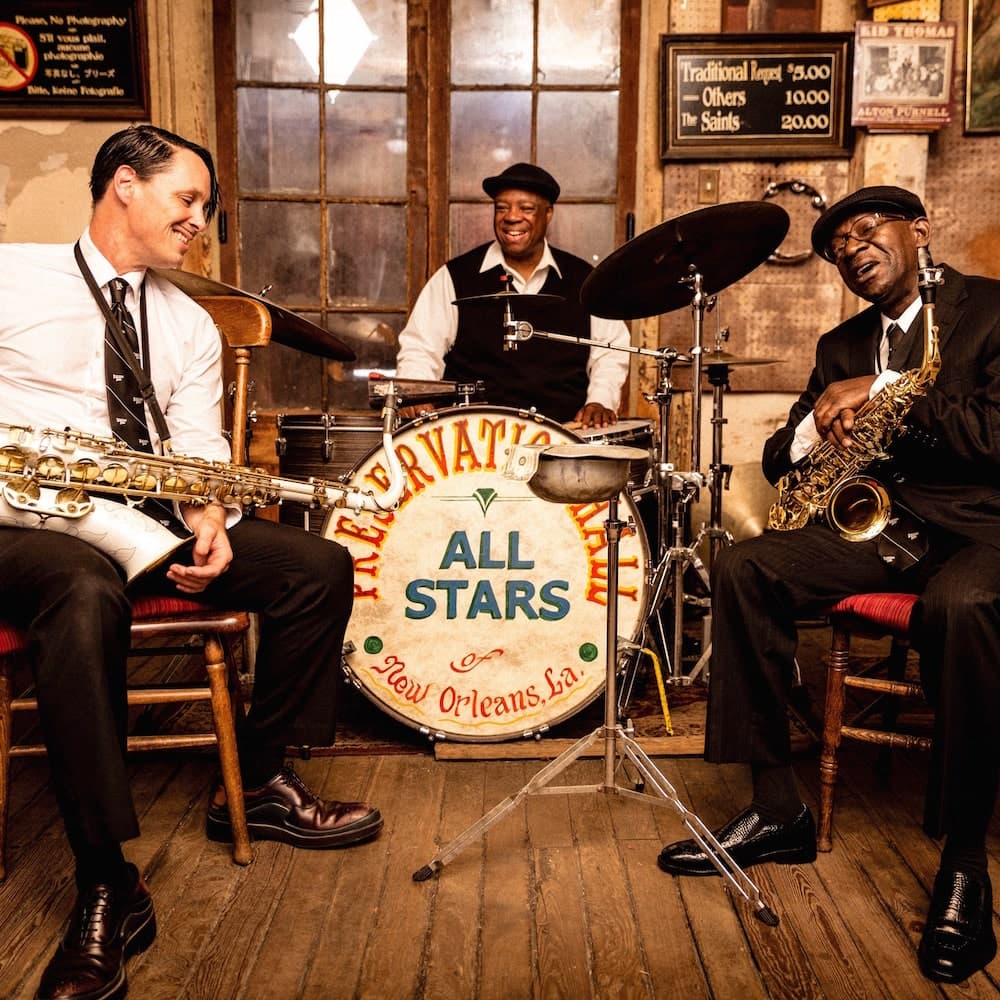
New Orleans is the birthplace of jazz, and many regard Preservation Hall as the best spot in Louisiana (if not the world) to hear jazz music. It’s a no-frills venue in New Orleans’ French Quarter that has changed little over the decades, featuring the most authentic jazz you’ll find anywhere. Listen to the sounds of traditional New Orleans jazz played within the halls of the 1750s French Quarter building, where both veteran and up-and-coming musicians play to continue the effort to preserve and maintain the sounds of New Orleans.
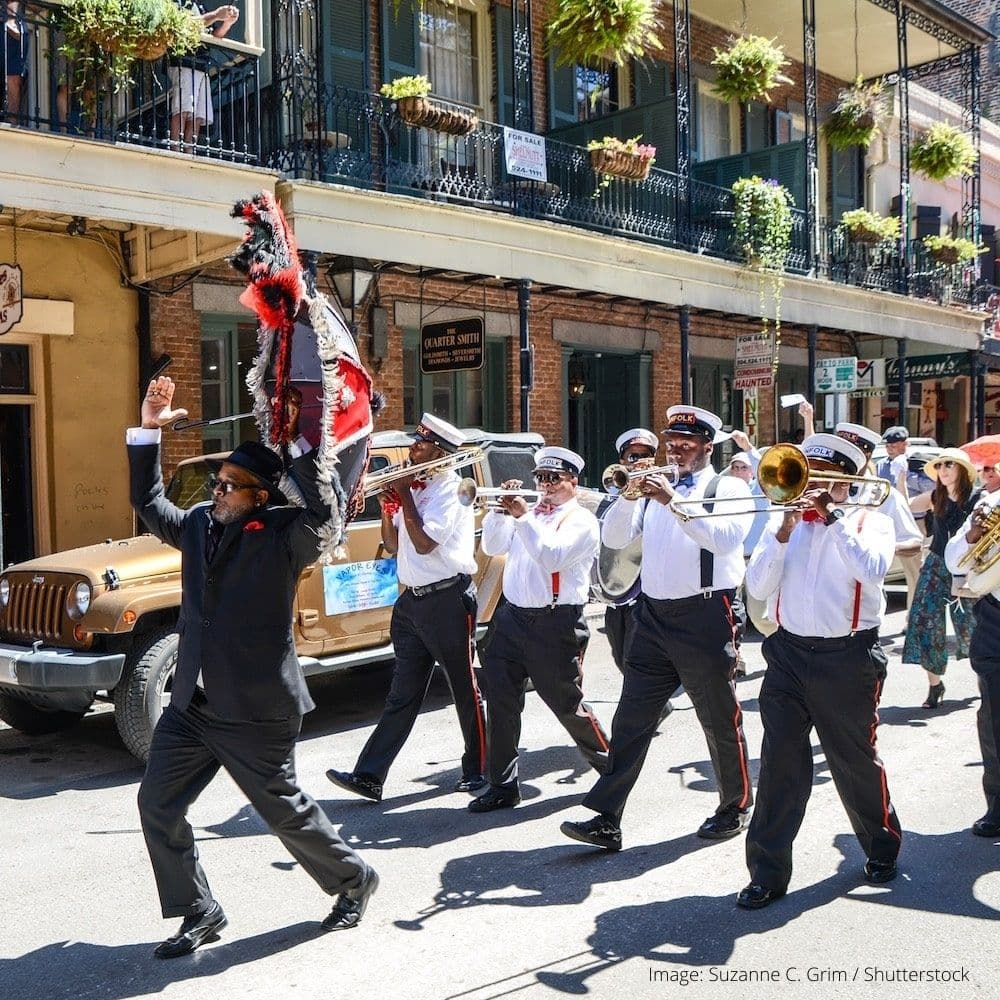
Situated in New Orleans' French Quarter, and dating back to the early 1700's, Royal Street is one of the oldest streets in the city. Today, the street is lined with shops, galleries and boutique hotels, with buskers and street performers entertaining the visiting crowds.
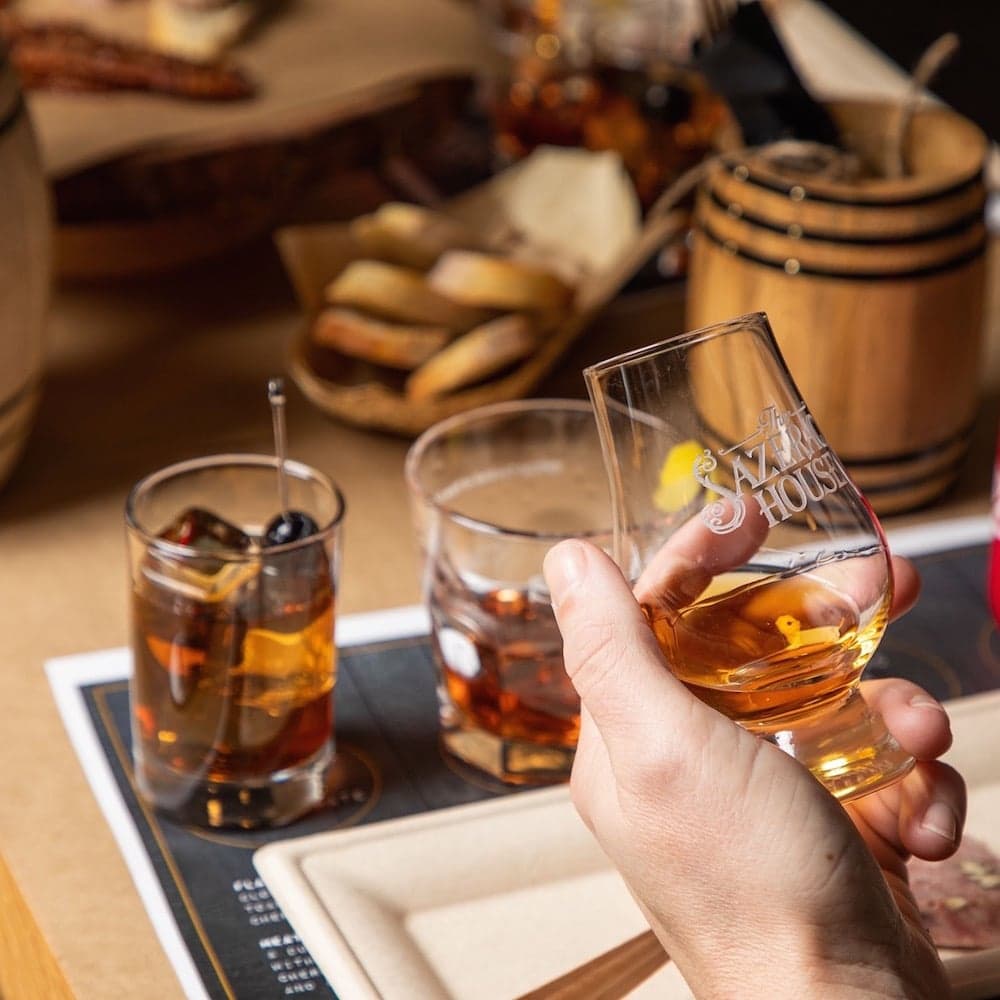
The Sazerac is the official drink of New Orleans and considered America’s first cocktail. The drink is named after the Sazerac-de-Forge et Fils Cognac and featured Peychaud’s bitters, invented c.1830 as a medicinal tonic by local pharmacist Antoine Amédée Peychaud, and mystical Herbsaint, which was developed in 1934 as an absinthe substitute. The Sazerac House Museum allows visitors a chance to learn about the city’s cocktail culture and taste some of the unique spirits that make up its signature drinks. The museum’s first floor features a distillery where the Sazerac Company makes rye whiskey, plus two floors of immersive exhibits.
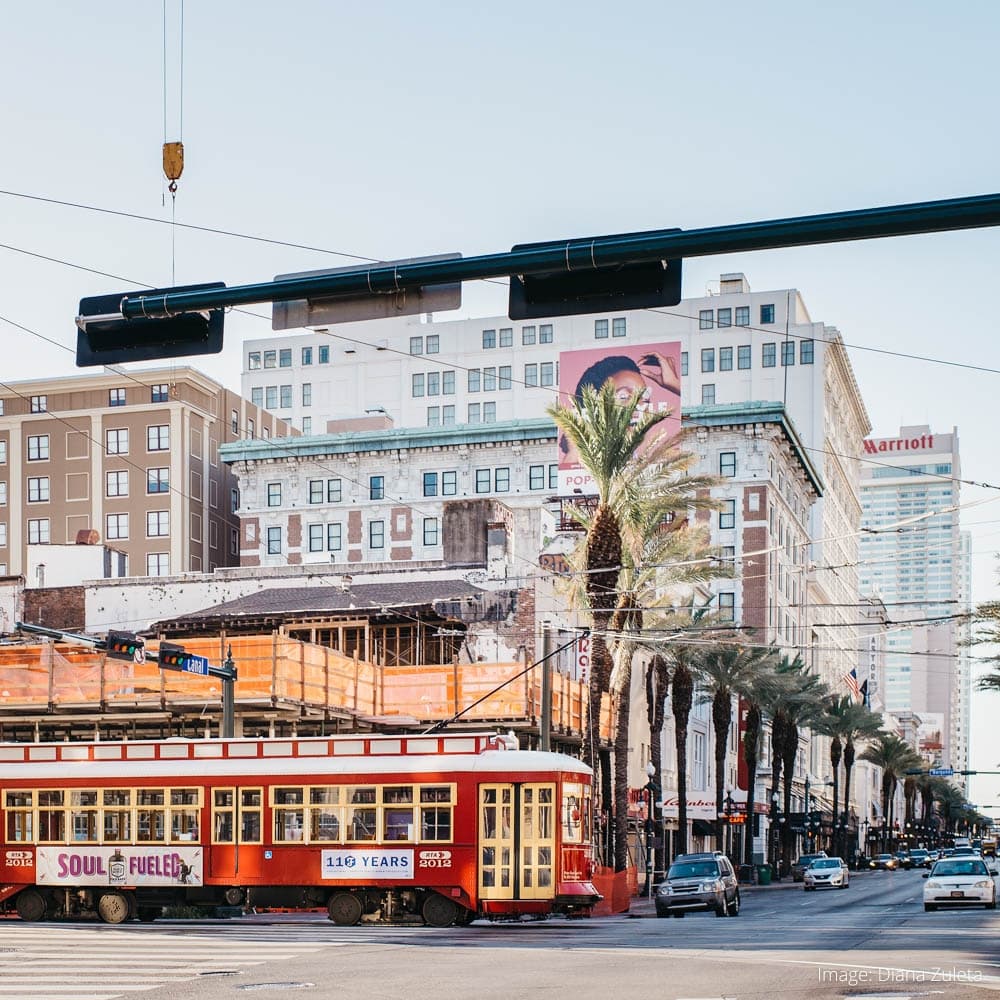
New Orlean's charming Downtown district runs along the Mississippi River near the city centre, easily distinguishable with its iconic red streetcars that continue to operate as a convenient mode of transport to this day. Plan a trip to the restored Saenger, Orpheum and Joy theaters for incredible acts and Broadway shows. Visit the Southern Food & Beverage Museum to learn about po’boys, crawfish, beignets, gumbo and the Sazerac cocktail, and see the La Galerie d’Absinthe - an entire gallery devoted to Absinthe. Speaking of food – for good eats, check out celebrity chef Aaron Sanchez’s Johnny Sanchez, the cozy Willa Jean, Willie Mae’s famous fried chicken, Drago’s original charbroiled oysters, or Mother’s (home of the Ferdie po’boy). And don’t skip shopping at Canal Place.