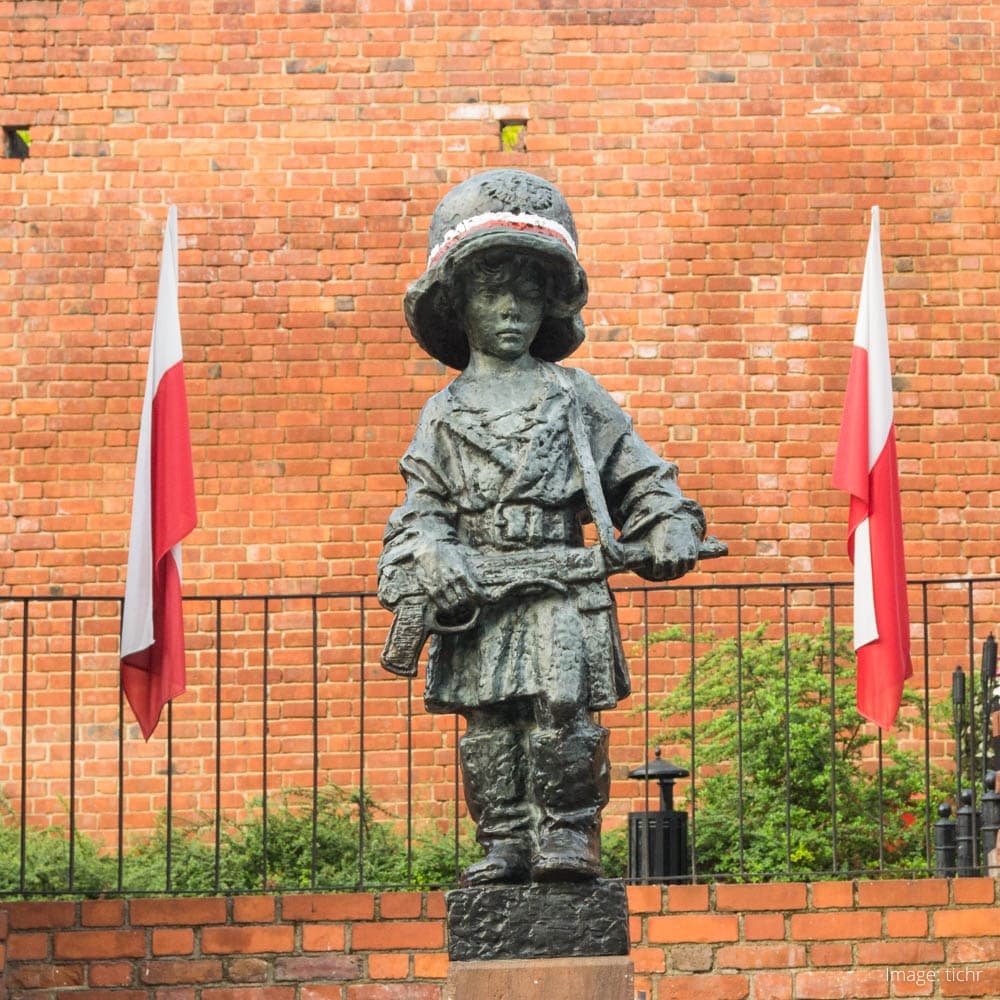
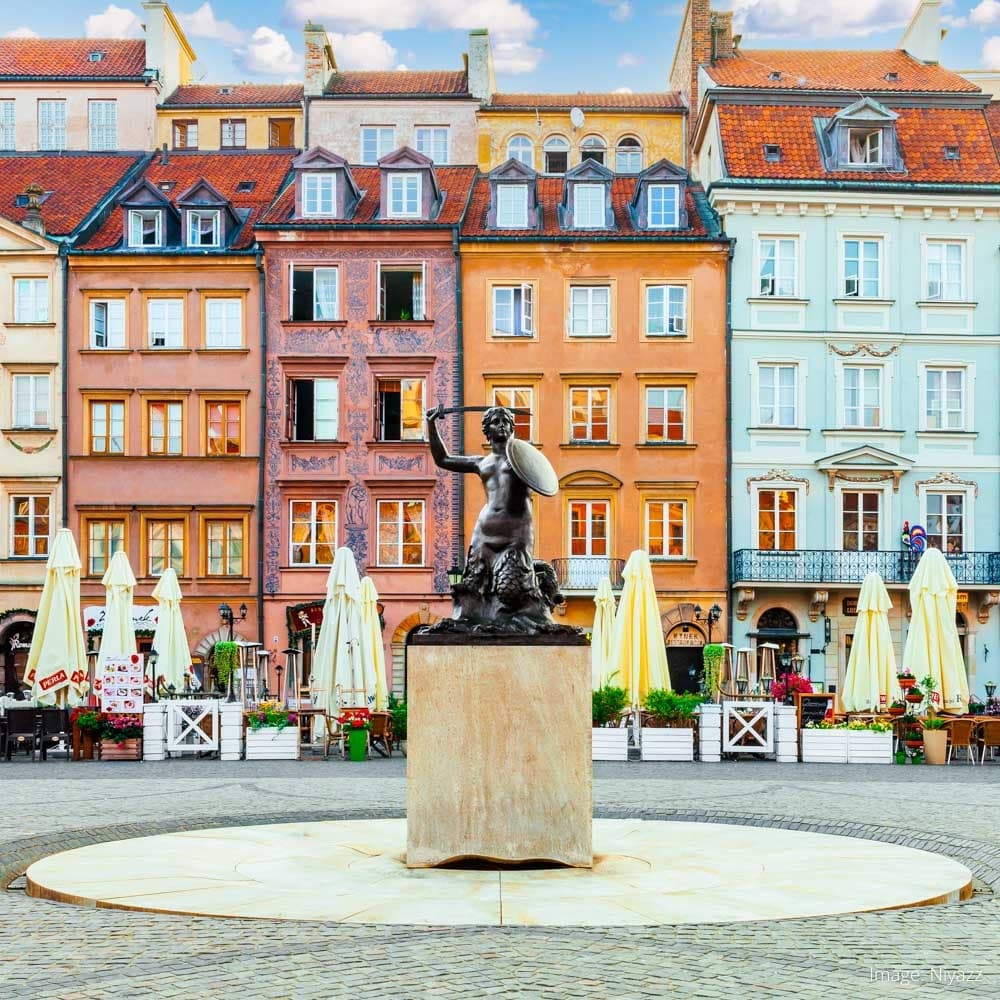
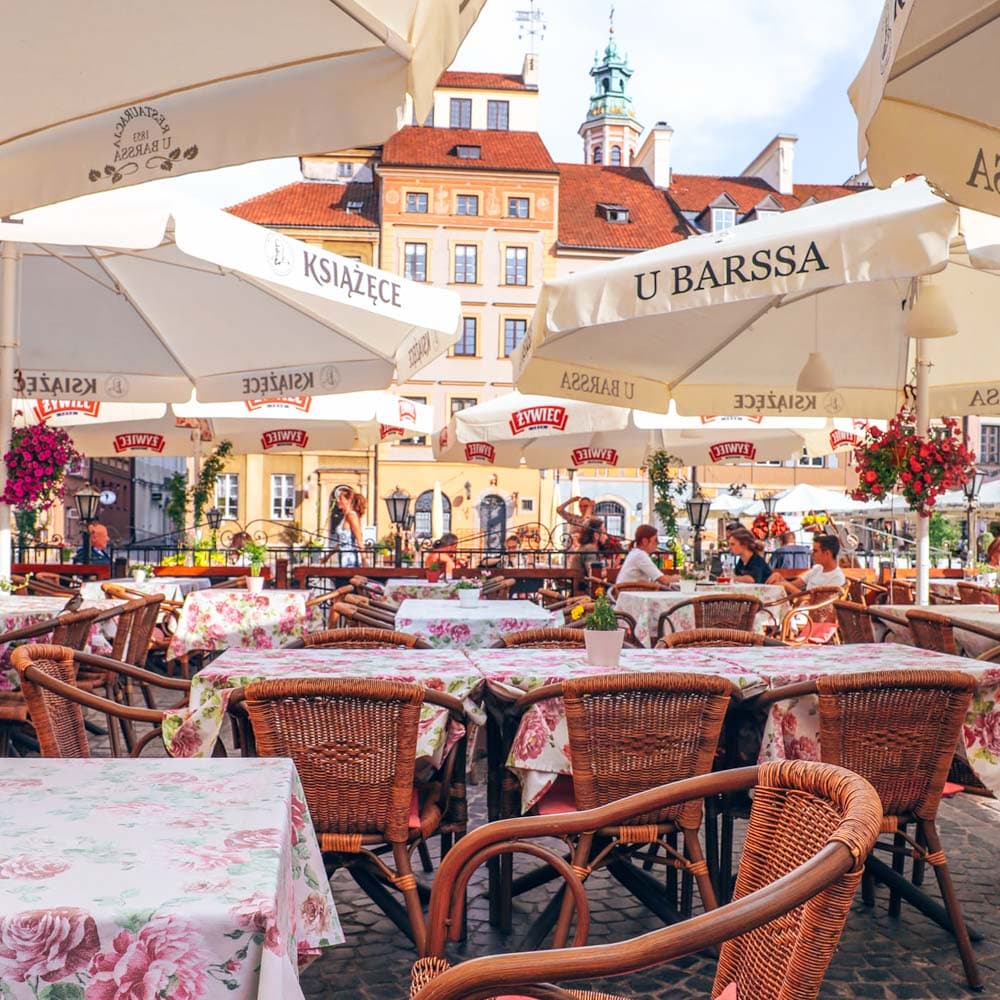
Spring in Warsaw brings a soft, warming light that glimmers off the structures of the Warsaw Uprising Monument, emphasizing its intricate details and sharp lines. As the city wakes up from its winter slumber, the area around the monument becomes a bustling focal point for both locals and tourists. The surrounding greenery starts to bud, and the aura of renewal makes this somber memorial feel hopeful. This is a perfect time to visit if you wish to quietly contemplate the history it represents, away from the summer crowds but accompanied by the pleasant weather and blooming flowers. Many local walking tours operate during the spring, offering historical context that enriches the visit.
Summer is peak tourist season in Warsaw, and the Warsaw Uprising Monument is no exception. Expect it to be crowded but also lively, filled with people from all walks of life who have come to pay their respects. The sun casts a warm glow on the bronze figures, giving them an almost ethereal quality. While it can get quite hot during the afternoons, the evenings are comfortably warm and often feature various cultural events, including open-air concerts and performances nearby. Given its central location, you'll also find a variety of food trucks and ice cream vendors, making it a good pit stop as you explore the city.
Autumn brings a more subdued atmosphere to the Warsaw Uprising Monument. The leaves on the trees turn various shades of orange, brown, and yellow, offering a colorful backdrop to the stark, bronze figures. The crowds thin out, making for a quieter and more reflective visit. The crisp autumn air and fewer tourists allow for a more personalized experience, whether you're taking photos or simply sitting and pondering the sacrifices symbolized here. The setting sun during this season casts long shadows, making the monument look even more dramatic against the fall foliage.
Visiting the Warsaw Uprising Monument in winter is a haunting and serene experience. Snow often blankets the ground, providing a stark contrast to the dark bronze of the monument. The quietude of winter amplifies the sense of solemnity and reverence. It's less frequented during this season, so you will most likely have more space and time to absorb the history and symbolism of the monument. However, it’s essential to bundle up as Warsaw winters can be very cold. While the snow adds a layer of beauty, it also brings a sense of melancholy, as if nature itself is mourning the events commemorated by the monument.