Spring at Atashgah brings a refreshing burst of life to the ancient Zoroastrian site. As nature awakens, visitors are greeted with a mild and pleasant climate, making it an ideal time for exploration. The surrounding landscape slowly transitions from the starkness of winter to vibrant hues of green, punctuated by wildflowers that begin to bloom around the area. This season offers a unique opportunity to see Atashgah in a light of renewal and growth, where the historical significance of the site merges with the natural beauty of the season. Spring festivals, particularly those celebrating Nowruz, the Persian New Year, add a layer of cultural richness to the visit, allowing travelers to experience traditional ceremonies that have been associated with Zoroastrianism for millennia.
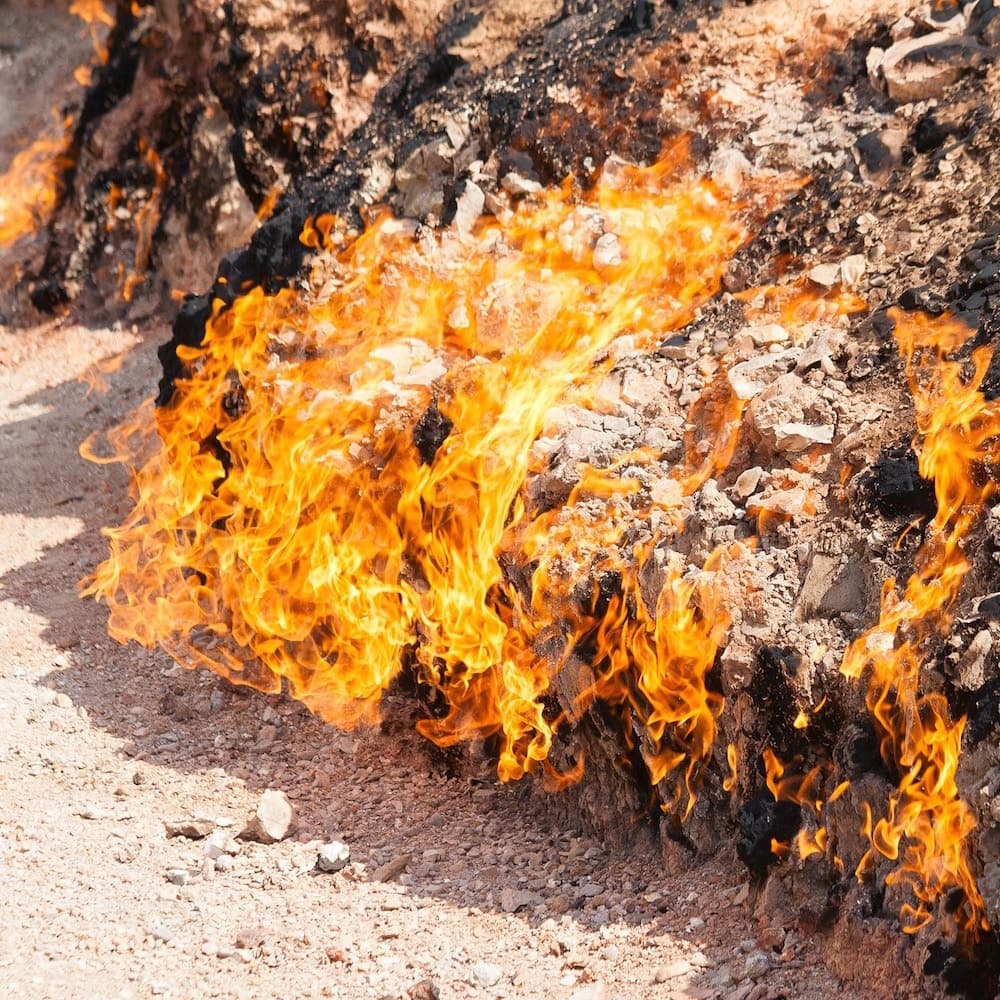
Summer at Atashgah is marked by warm temperatures and clear skies, casting the ancient fire temple in a brilliant light. This is the season when the sun's rays illuminate the intricate details of the site's architecture and the sacred flame burns ever so brightly, symbolizing the Zoroastrian devotion to the elements of nature. Visitors during this time should prepare for the heat, but will find solace in the early mornings or late afternoons when the site basks in a golden hue. The summer also allows for extended visiting hours, giving travelers ample time to delve into the history and spiritual significance of Atashgah, exploring its nooks and crannies without the rush.
Autumn brings a serene beauty to Atashgah, with cooler temperatures and a palette of warm colors enveloping the surrounding landscape. It's a time of reflection and peace, perfect for those looking to connect with the spiritual essence of the site amidst the changing leaves. The decrease in tourist numbers during this season offers a more intimate experience with the ancient temple, allowing for quiet moments of contemplation and admiration of its historical context. The mild weather is ideal for longer stays, encouraging visitors to partake in local cultural events or explore nearby natural attractions, enhancing their understanding of Zoroastrianism's enduring legacy.
Winter casts a mystical spell over Atashgah, with colder days and the possibility of snow adding a majestic silence to the fire temple. This season offers a starkly different perspective, emphasizing the resilience of the Zoroastrian faith against the elements. The sacred flame against the backdrop of a snowy landscape creates a striking contrast, symbolizing light and warmth in the darkness. Although visitor numbers dwindle, those who venture here during winter are rewarded with a tranquil and contemplative atmosphere. It's a time to experience Atashgah's solemn beauty, with the chill in the air reminding travelers of the eternal flame that has been kept alive through centuries of devotion.