Visiting Poás Volcano during the spring months offers travelers a lush, vibrant experience as the rainy season begins to wane. The landscape around the volcano bursts into life, with wildflowers blooming and the foliage displaying vibrant greens. Mornings are typically clear and offer the best views of the volcano's impressive crater and the turquoise lake that lies within it. However, as the day progresses, clouds may roll in, so early visits are recommended. This time of year is also great for bird watching, as many species are more active and visible.
Summer at Poás Volcano is marked by dryer conditions and clearer skies, making it an excellent time for those looking to capture the perfect photograph of the crater's distinct features. The paths and surrounding national park are more accessible, allowing visitors to explore the area's natural beauty comfortably. This season also sees a slight increase in tourist activity, so arriving early to beat the crowds is advisable. The temperate weather provides a pleasant backdrop for hiking and exploring the nearby trails that offer breathtaking views of the valley below.
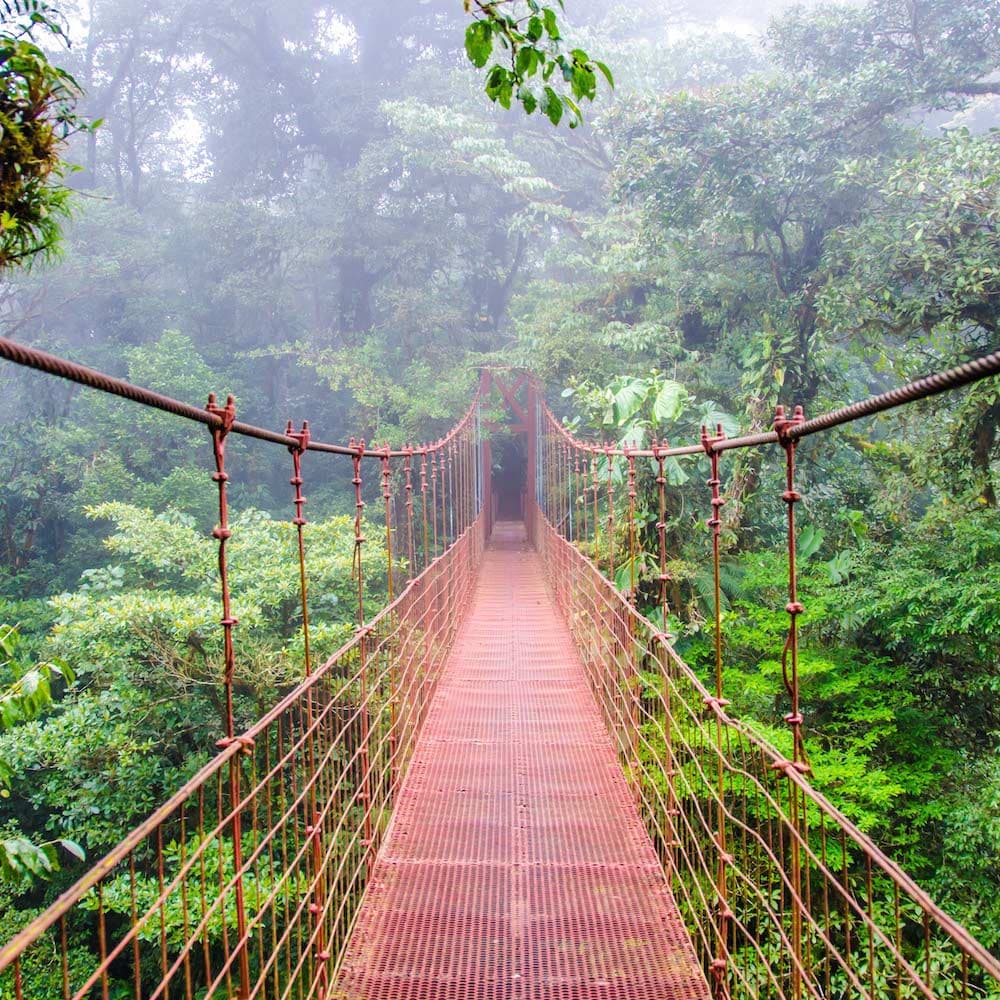
Autumn brings a magical transformation to the landscape around Poás Volcano, with the foliage adopting warmer tones and the early signs of the rainy season rejuvenating the flora. It's a quieter time to visit, with fewer tourists and more opportunities to enjoy the natural surroundings in solitude. The climate remains mild, though rain showers become more frequent, often occurring in the afternoon. Visitors during this season should be prepared for sudden weather changes and might experience the unique beauty of mists swirling around the crater.
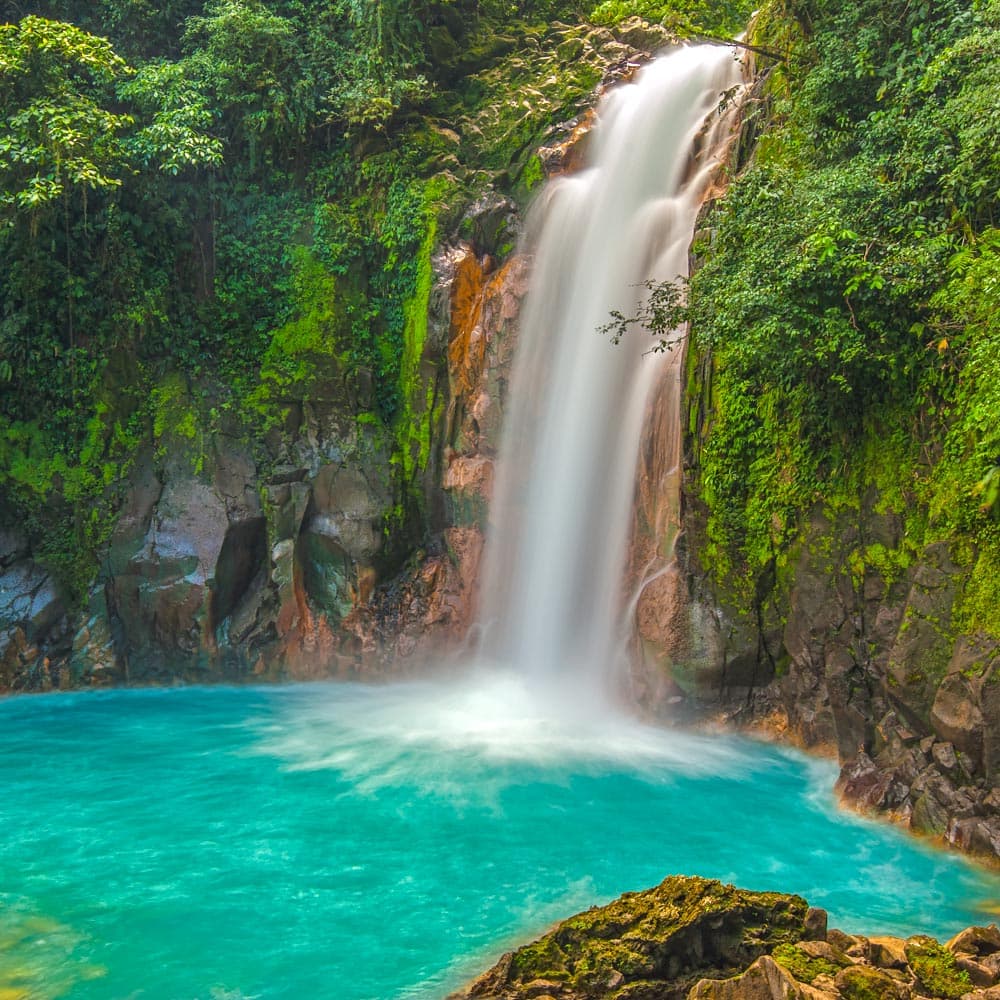
Winter at Poás Volcano is the heart of the rainy season, offering a unique perspective of the area's raw beauty. The rain creates a mystical atmosphere around the volcano, with fog and clouds often enveloping the crater, giving it an ethereal appearance. This season is ideal for those who enjoy the tranquility that comes with fewer tourists and don't mind getting a bit wet. The increased rainfall also means the surrounding forests are lush and the streams and waterfalls within the national park are at their most vigorous. Waterproof gear is a must, and flexible plans are recommended as visibility at the crater can be unpredictable.