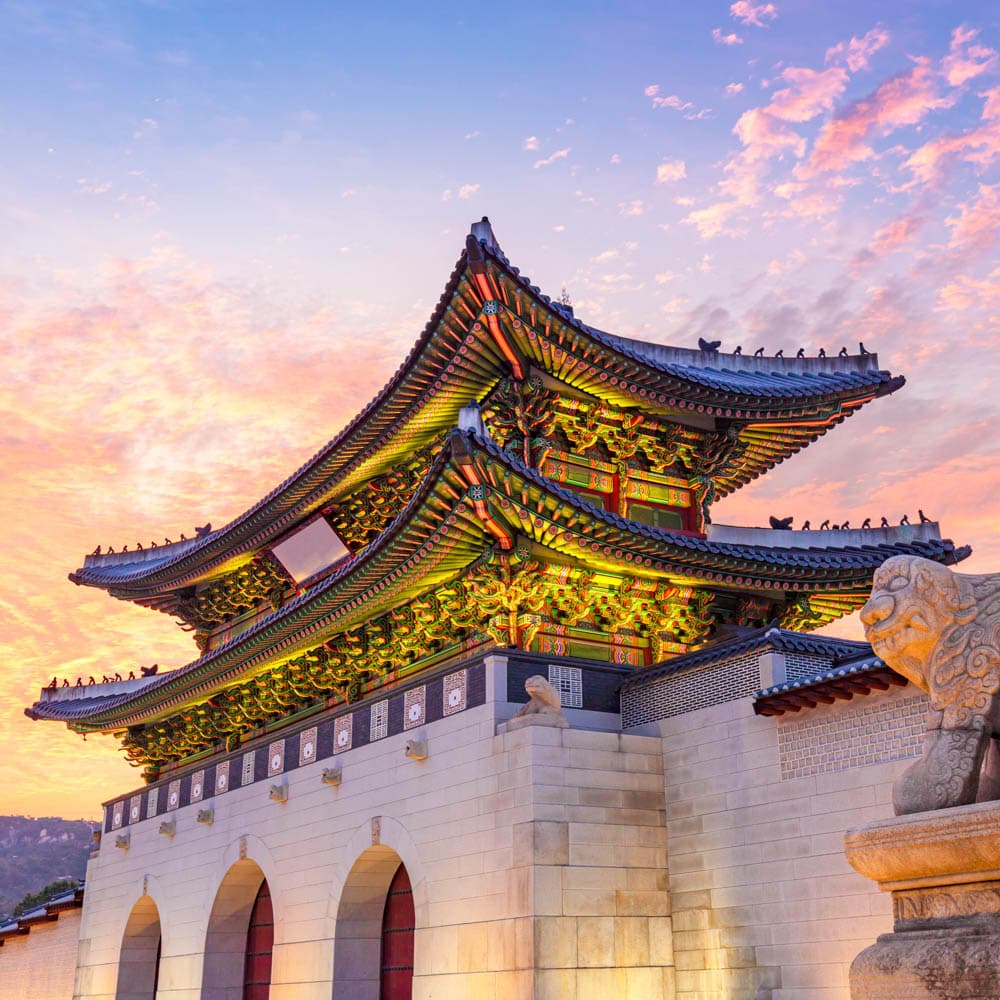
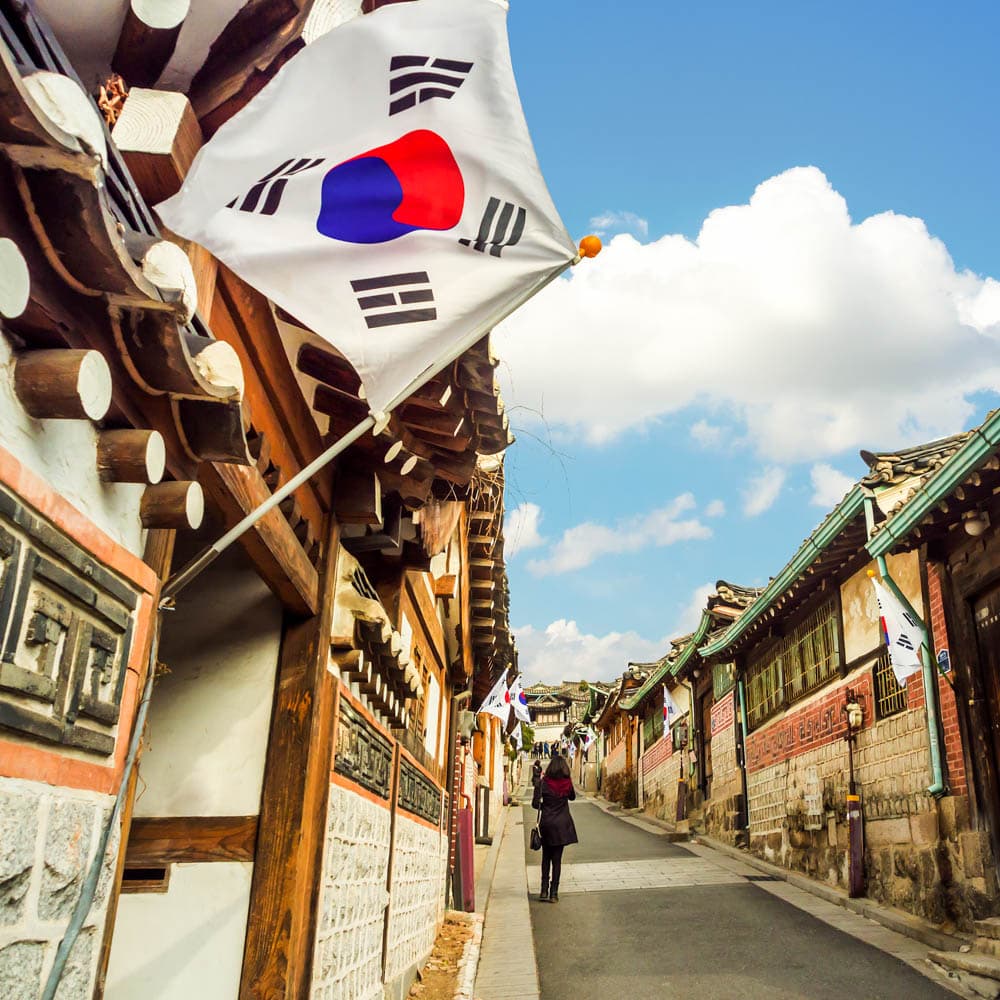
Springtime at Gwanghwamun Square is an excellent time for a leisurely visit. As cherry blossoms begin to bloom, the atmosphere turns ethereal and romantic. The mild weather encourages outdoor activities, and you'll find both locals and tourists strolling around, taking photographs, and enjoying the public art installations. It's the perfect season to sit on the steps leading up to the statues of King Sejong and Admiral Yi Sun-shin, watch the world go by, and appreciate the blend of modernity and history. Several food trucks and vendors around the square sell seasonal treats and drinks, giving you a taste of Korea’s spring flavors.
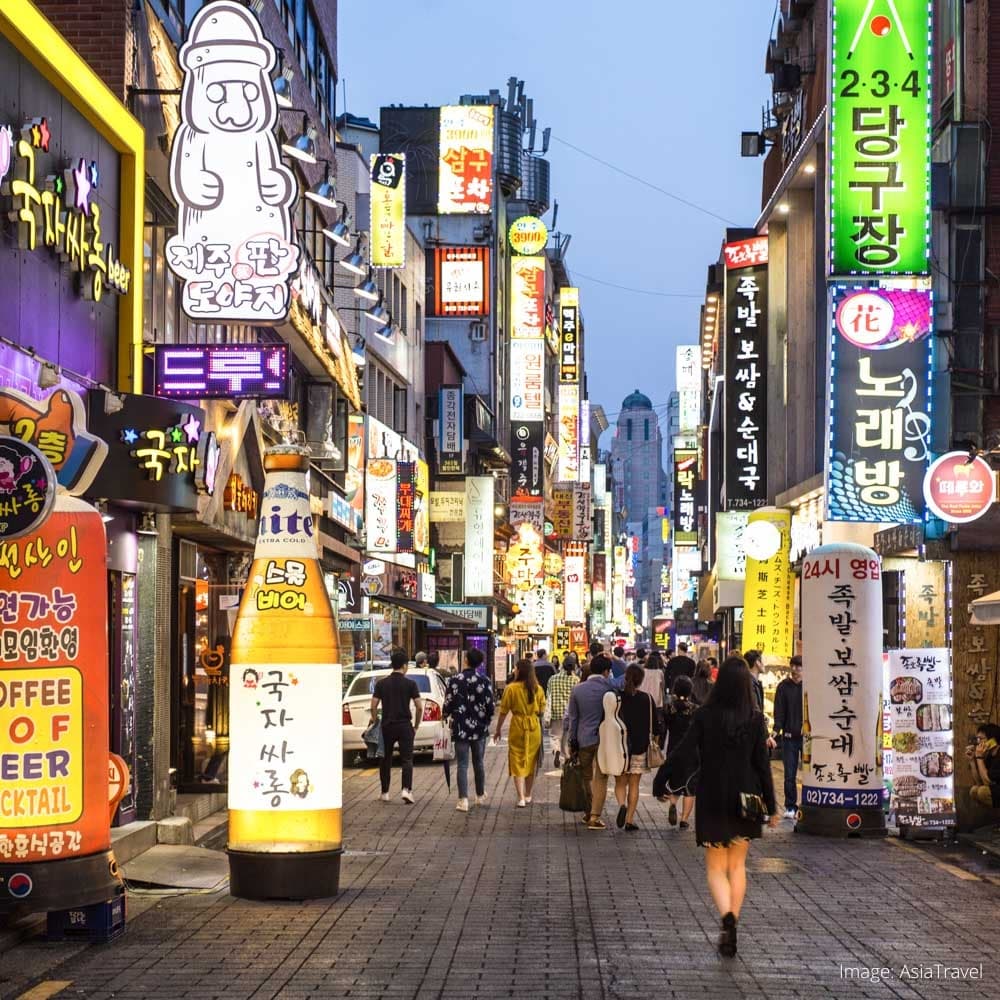
During summer, Gwanghwamun Square is buzzing with life. The weather is warm, sometimes reaching into the humid 30s (Celsius), making it an ideal time for enjoying the numerous water fountains around the square. Various summer festivals and events often take place here, ranging from musical performances to cultural exhibitions. While the heat might be intense during midday, evenings are usually more comfortable and offer a vibrant street life. The square is a great spot to start or end a summer night’s exploration of nearby districts like Jongno and Insadong.
Autumn transforms Gwanghwamun Square into a picturesque setting with leaves changing into shades of red, orange, and gold. It's an excellent time for photography and scenic walks, especially in the late afternoon when the sun casts a golden glow on the surrounding buildings and monuments. This season is also when the annual Seoul Kimchi Making & Sharing Festival typically occurs, offering travelers a unique insight into Korean culture. The pleasant temperatures and clear skies make it a great time for sightseeing, picnicking, or simply sitting and soaking in the ambiance.
Winter at Gwanghwamun Square offers its own unique charm. As temperatures drop, the square becomes less crowded, providing a more serene experience. Occasionally, the square may be blanketed in snow, turning it into a winter wonderland that offers a completely different aesthetic compared to other seasons. Although outdoor activities might be limited, the winter season gives you a chance to see the statues and surrounding buildings beautifully illuminated with seasonal lights. Moreover, the square is within walking distance of several cozy cafés where you can warm up with a hot beverage, making it an ideal starting or ending point for a winter excursion in Seoul.