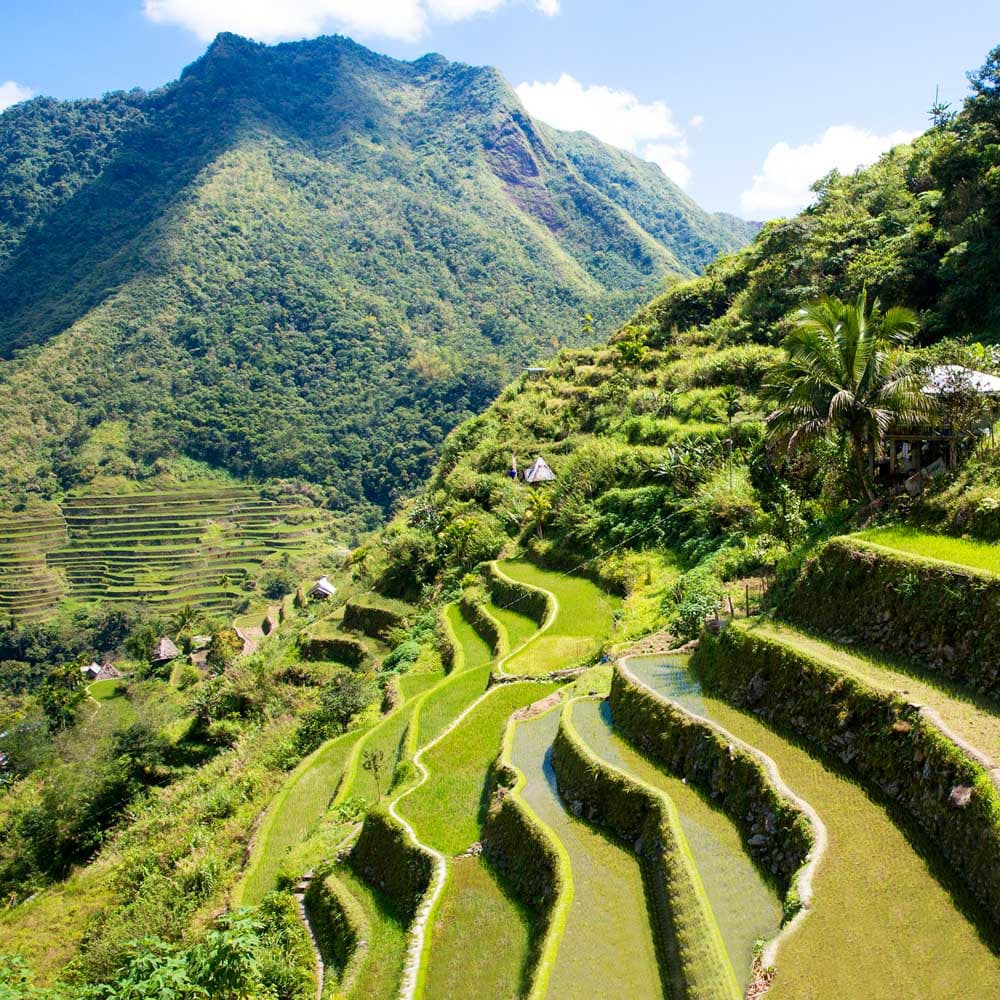
During this period, the tail end of the Philippine dry season, Mount Pulag offers visitors a splendid hiking experience with the warmth of summer approaching, yet the temperatures remain pleasantly cool due to the mountain's high altitude. March marks the beginning of warmer days, yet the nights can still be quite chilly, providing a unique contrast typical of a mountain environment. This is an excellent time for those seeking to enjoy the outdoors with less chance of rain, as the landscape bursts with greenery and the trails are mostly dry, making them easier to navigate. The visibility is generally good, offering spectacular views of the sea of clouds and the surrounding peaks.
As the wet season begins, the climate around Mount Pulag shifts, bringing more rain and fog, which can obscure views but also adds a mystical atmosphere to the trek. The increased precipitation rejuvenates the mountain's ecosystems, making the flora even more lush and the air fresh and clean. Hiking during these months might be challenging due to slippery paths and variable weather conditions, but it also means fewer crowds and a more serene experience amidst the mountain's natural beauty. Early mornings may still offer chances to see the sea of clouds, especially if you catch a break between rain showers.
In the Philippine context, the term "autumn" can be seen as the peak of the wet season transitioning into the early part of the dry season. Rainfall may begin to decrease towards late October and November, gradually improving trail conditions and increasing the likelihood of clear days. This time of the year can be considered a transition period, where the weather starts to dry up, offering a mix of lush landscapes with the returning possibility of clearer skies and better hiking conditions. It's a period that might still have rainy days, but with an increasing number of clear, crisp mornings, especially as November approaches, making it a potentially rewarding time for adventurers seeking solitude and the beauty of the changing seasons on the mountain.
Reflecting on a traditional four-season model, the closest experience to "winter" in the Philippine setting would be the cooler months of December to February at Mount Pulag. This is the beginning of the dry season, characterized by significantly cooler temperatures, especially at night and in the early mornings. The cooler weather makes for a comfortable trekking experience, and the clearer skies provide excellent opportunities for stargazing and witnessing the sea of clouds, a signature experience of Mount Pulag. This season attracts many hikers looking for the crisp mountain air and the panoramic views that are often at their best during these months.