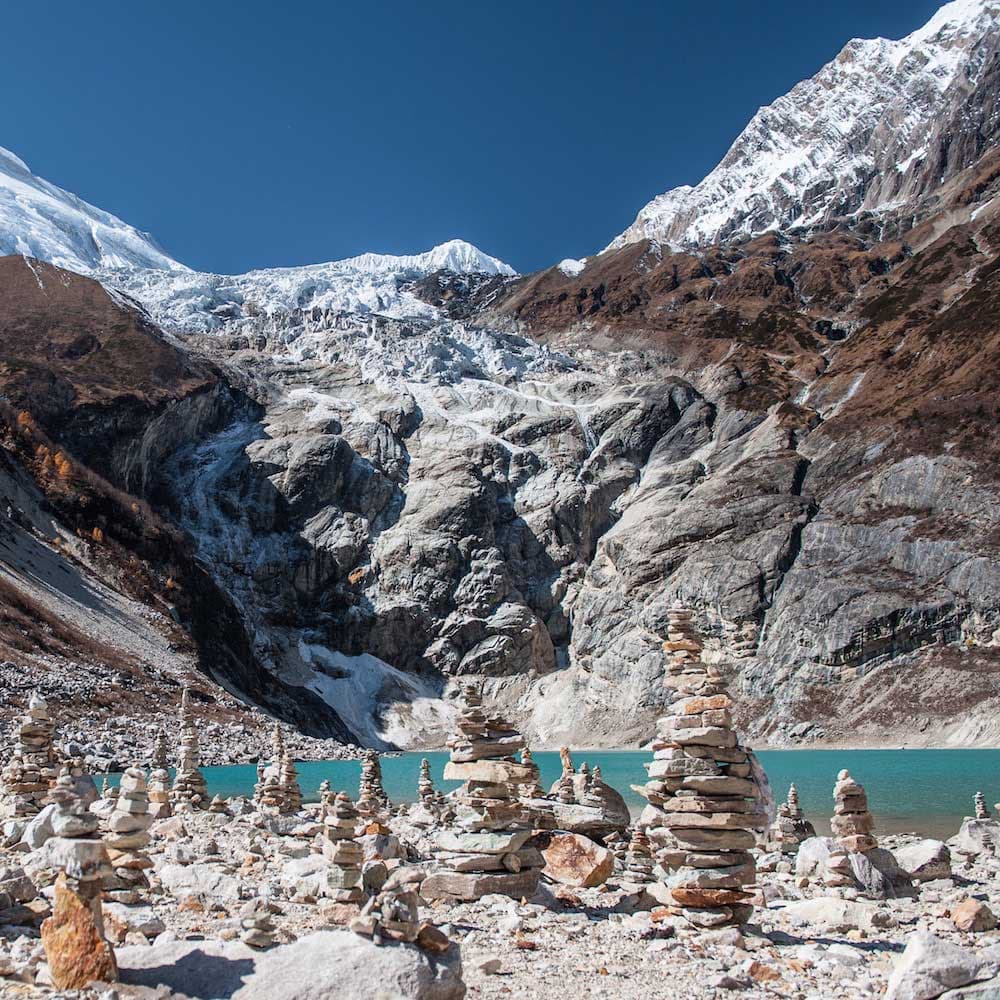
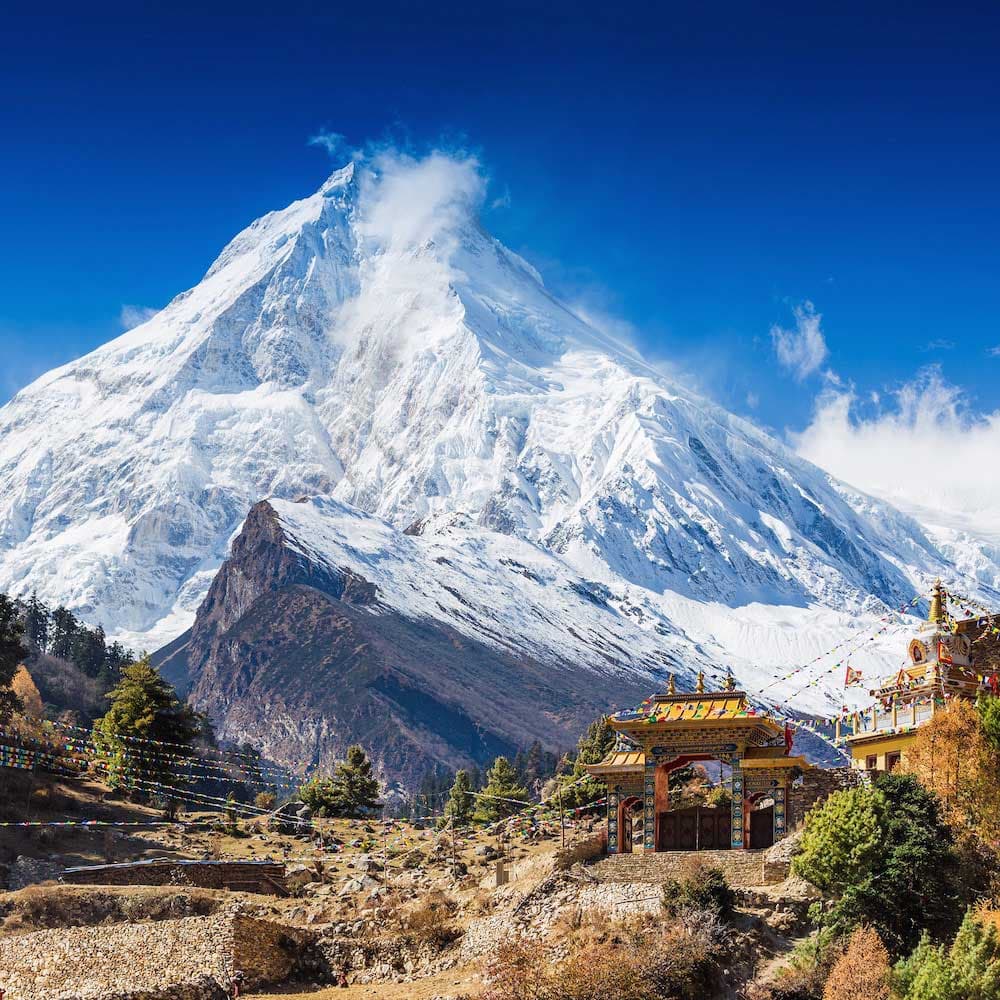
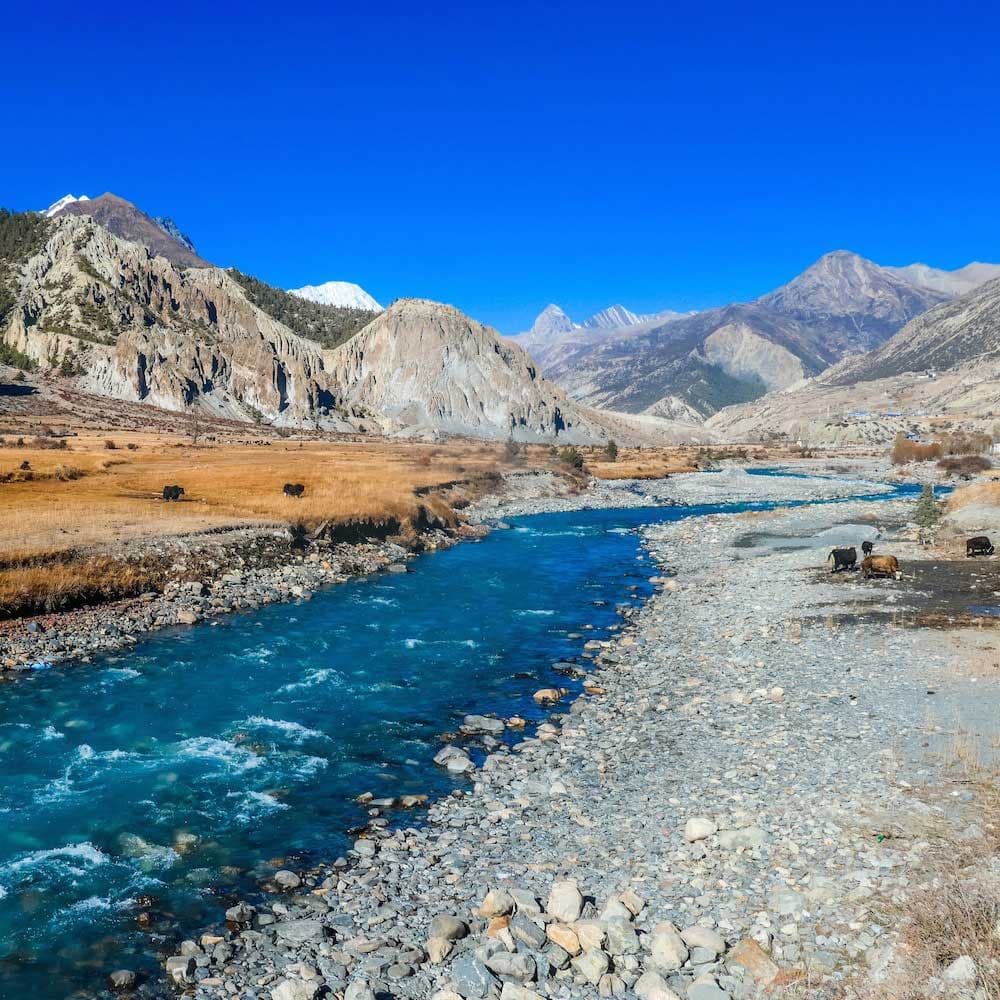
Visiting Mount Everest in the spring, from March to May, offers travelers a remarkable experience as the climbing season kicks off. The weather is relatively mild, with daytime temperatures at base camp hovering around 5°C to 15°C. The skies are often clear, providing stunning views of the surrounding peaks. This is the busiest season for expeditions, so expect a lively atmosphere with climbers from all over the world preparing for their ascents. The trails are in good condition, making it an excellent time for trekking, with the added bonus of blooming rhododendrons and other alpine flora adding splashes of color to the landscape.
Summer, from June to August, brings the monsoon season to the Everest region. Heavy rainfall and cloudy skies are common, leading to muddy and slippery trails. While this might not be the ideal time for climbing, it’s a unique opportunity for those who enjoy solitude and lush greenery. The rain nourishes the valleys, turning them vibrant and alive. However, views of the peaks are often obscured by clouds, and flights to and from Lukla, the gateway to Everest, can be frequently delayed. If you decide to visit during this season, be prepared for wet conditions and pack appropriately.
Autumn, spanning from September to November, is another prime season for visiting Mount Everest. The weather is stable and dry, with clear skies and daytime temperatures ranging from 5°C to 20°C at base camp. This period sees a resurgence of climbers aiming to reach the summit, but it’s less crowded than spring. The crisp air and stunning visibility make for spectacular trekking conditions, allowing for panoramic views of the Himalayas. The trails are well-maintained, and the cultural experiences in the Sherpa villages are enriching, as locals are more relaxed after the busy summer months.
Winter, from December to February, brings cold and challenging conditions to the Everest region. Temperatures at base camp can plummet to -20°C or lower, especially at night. The high-altitude areas experience significant snowfall, making trekking and climbing more difficult. However, for those who are well-prepared and seek a less crowded experience, winter offers unparalleled tranquility and breathtaking snowscapes. The skies are often clear, providing crisp and uninterrupted views of Everest and its neighboring peaks. It’s essential to have the right gear and to be aware of the increased risks associated with extreme cold and isolation during this season.