In spring, Sarawak begins to buzz with anticipation for the Nine Emperor Gods Festival. While the festival itself occurs in October, preparations and smaller pre-festival rituals start taking shape. Travelers visiting Sarawak during this time won't witness the festival in full swing but can observe the initial preparations. This period is marked by a pleasant climate, making it an ideal time for tourists to explore local attractions, understand the cultural significance of the upcoming festival, and interact with the locals who are beginning to prepare for the grand event.
During the summer months, the excitement for the Nine Emperor Gods Festival in Sarawak continues to build. Although the festival is still a few months away, the community's cultural engagement is palpable. Visitors can experience workshops, talks, and exhibitions related to the festival's history and spiritual significance. The warm weather is conducive to exploring Sarawak’s lush outdoors and understanding the local customs that influence the festival. This is the perfect time for travelers to immerse themselves in Sarawak's rich cultural tapestry, setting the stage for the festival.
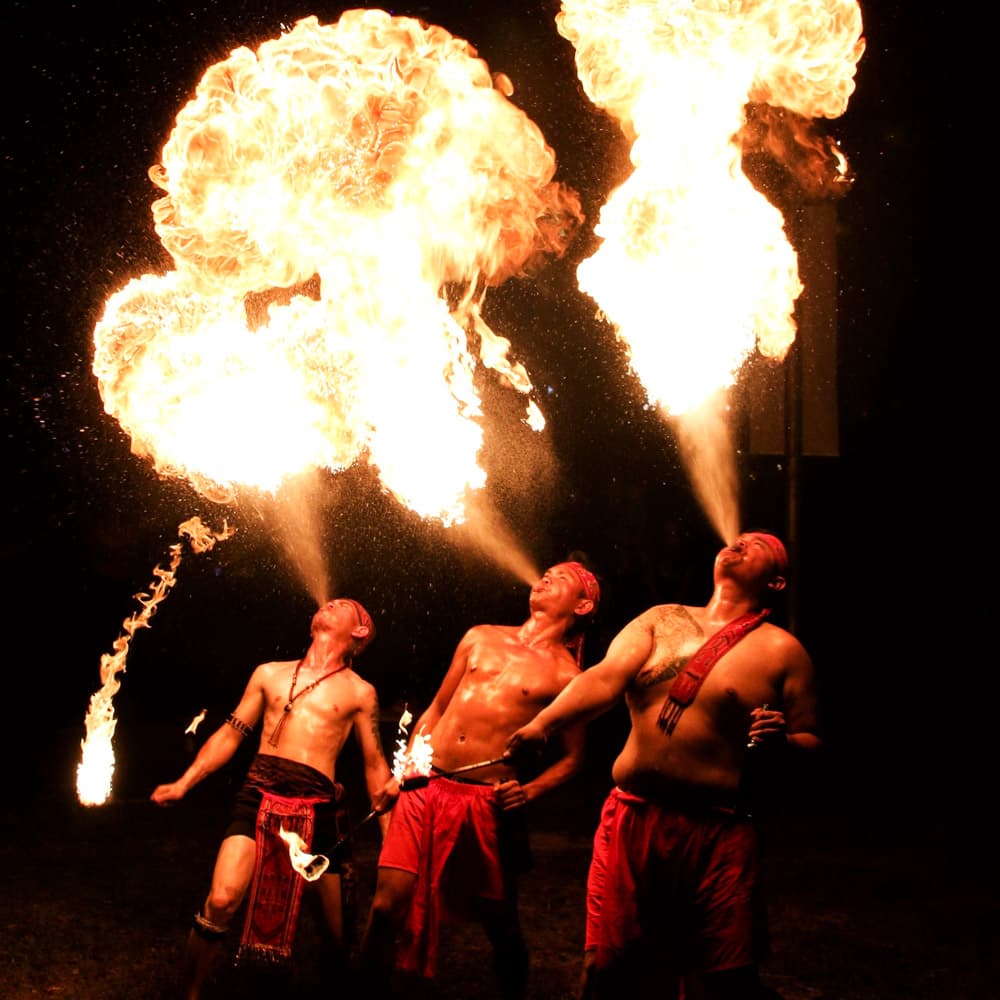
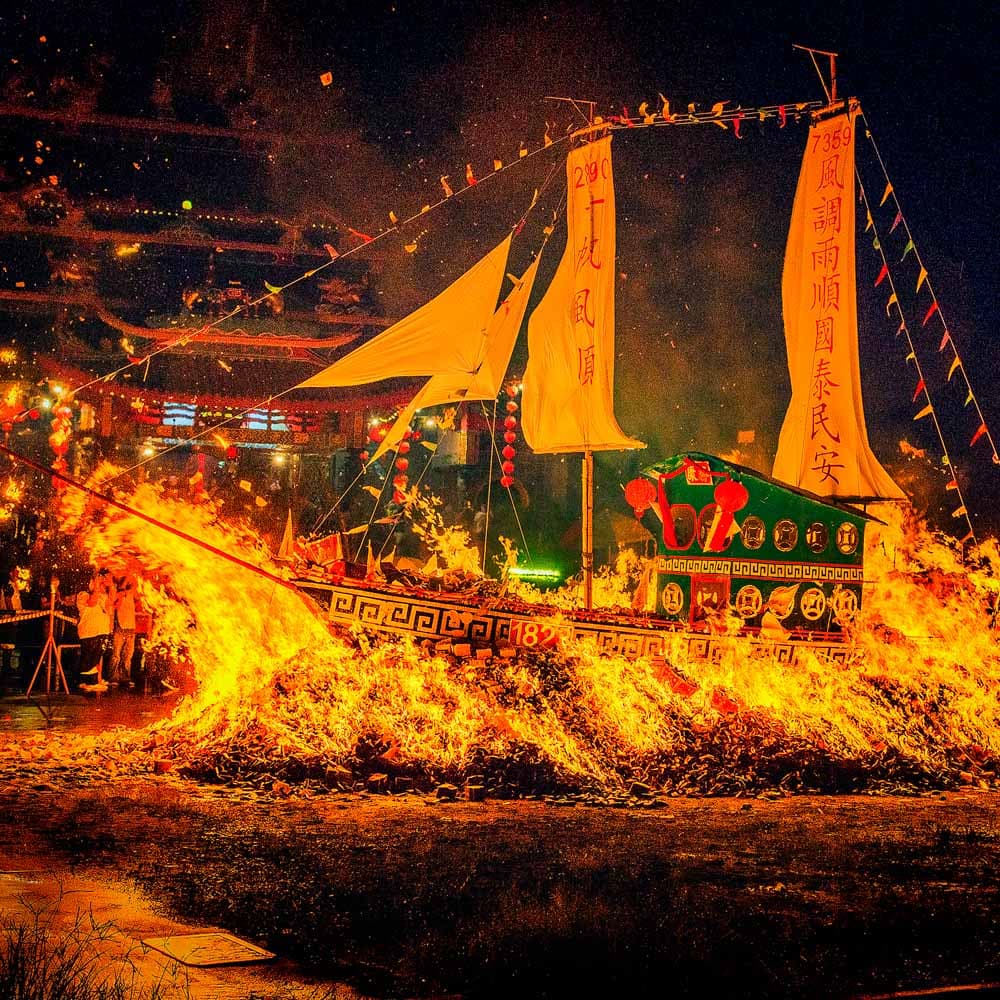
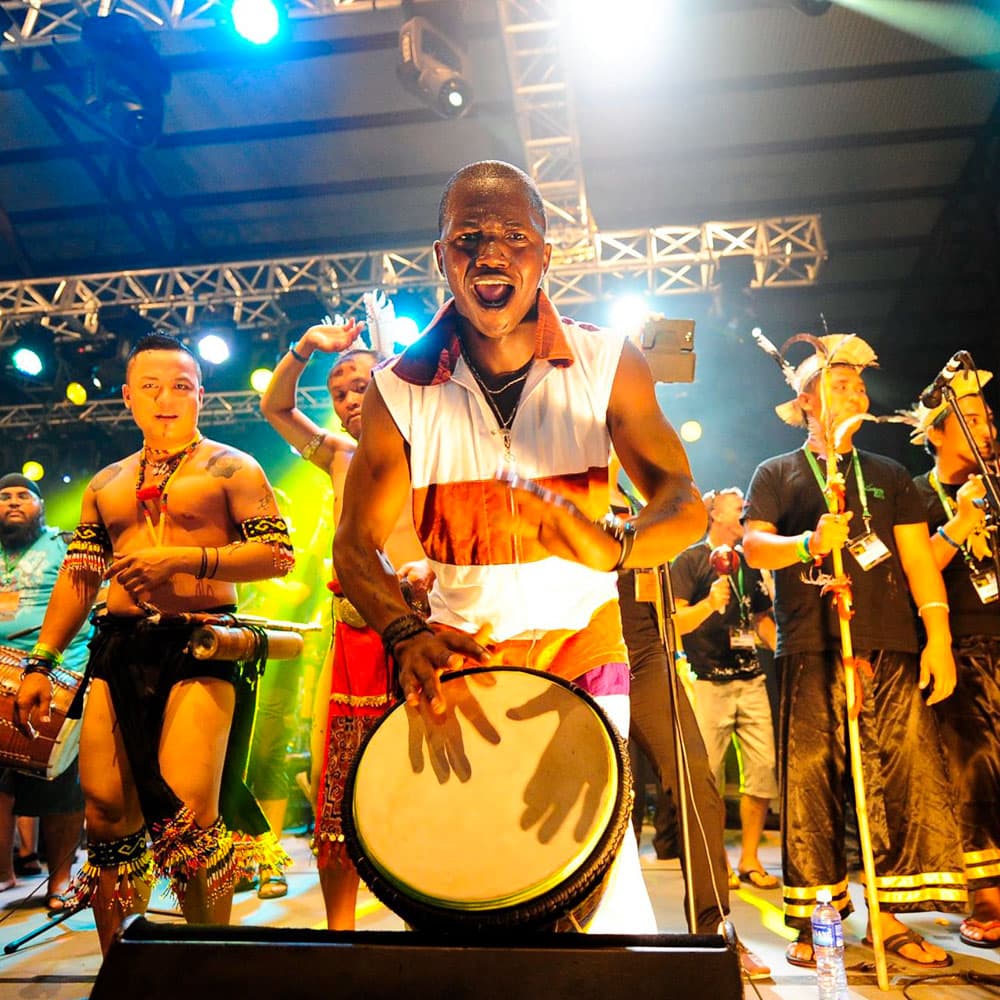
Autumn is when the Nine Emperor Gods Festival takes place, usually in October. This nine-day celebration transforms Sarawak into a vibrant hub of activities. Travelers can expect elaborate rituals, colorful processions, and various cultural performances. The festival is steeped in Taoist traditions, with devotees practicing vegetarianism and engaging in purification rituals. The streets are adorned with decorations, and the air is filled with the aroma of incense and vegetarian cuisine. Visiting during this time offers a once-in-a-lifetime opportunity to witness this unique cultural spectacle in its full glory.
Post-festival, winter in Sarawak offers a different perspective. The Nine Emperor Gods Festival has concluded, but its impact lingers in the community. This is a reflective period, where travelers can engage with locals to understand the deeper significance of the festival and its outcomes. The cooler weather is ideal for visiting temples and historical sites associated with the festival, offering insights into how the event shapes the spiritual life of the region. This is a time for quieter exploration, understanding the aftermath and lasting influence of the festival on Sarawak's cultural and spiritual landscape.