During spring, Niah National Park bursts into life with a vibrant display of flora. The weather is pleasantly warm, making it an ideal time for exploring the park's extensive cave systems and lush rainforest trails. The park's biodiversity is at its peak, with visitors having excellent chances to spot rare birds and wildlife. The Niah Caves, famous for their archaeological significance, offer a cooler retreat from the midday heat. Spring also marks the beginning of the bird-nesting season in the caves, providing a unique opportunity for visitors to witness local communities skillfully harvesting bird nests.
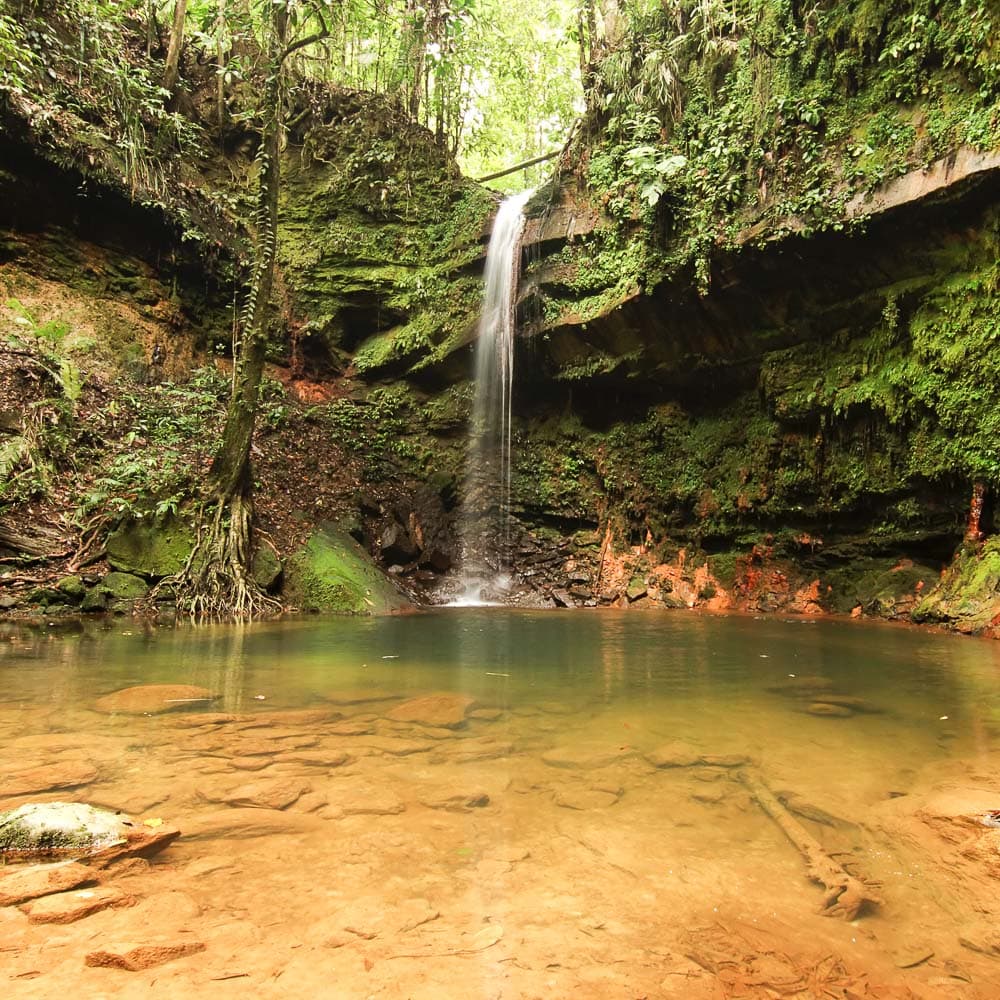
Summer in Niah National Park is characterized by hot and humid conditions, with occasional rain showers that bring a refreshing respite. This season is perfect for adventurous travelers who don't mind a bit of sweat. The dense canopy of the rainforest offers ample shade, making hikes to the Traders' Cave and the Great Cave both challenging and rewarding. The increased humidity enhances the lushness of the vegetation, creating a truly immersive jungle experience. Additionally, the park's rivers and streams are at their most inviting, offering cool, clear waters for a relaxing dip after a day of exploration.
Autumn at Niah National Park is a time of transition, with the weather becoming milder and the rainforest taking on a slightly subdued tone. It's an excellent time for bird watching, as migratory species pass through the park. The lower temperatures make trekking more comfortable, allowing visitors to enjoy longer hikes and explore more remote areas of the park. The Painted Cave, with its ancient rock art, is particularly atmospheric during this season. Additionally, the decreased number of visitors during autumn provides a more serene and intimate experience with nature.
Winter in Niah National Park is marked by cooler temperatures and reduced humidity, making it the most comfortable season for many visitors. The park's natural beauty is undiminished, with clear, crisp days ideal for photography and leisurely walks. The lower water levels in rivers and caves during this season offer a different perspective on the park's geological features. It's also a great time for cultural exploration, as the local Iban and Penan communities have more time to share their traditions and stories with visitors. Despite being the wet season, the rain tends to be short-lived and often comes in the late afternoon or evening, allowing ample time for daytime activities.