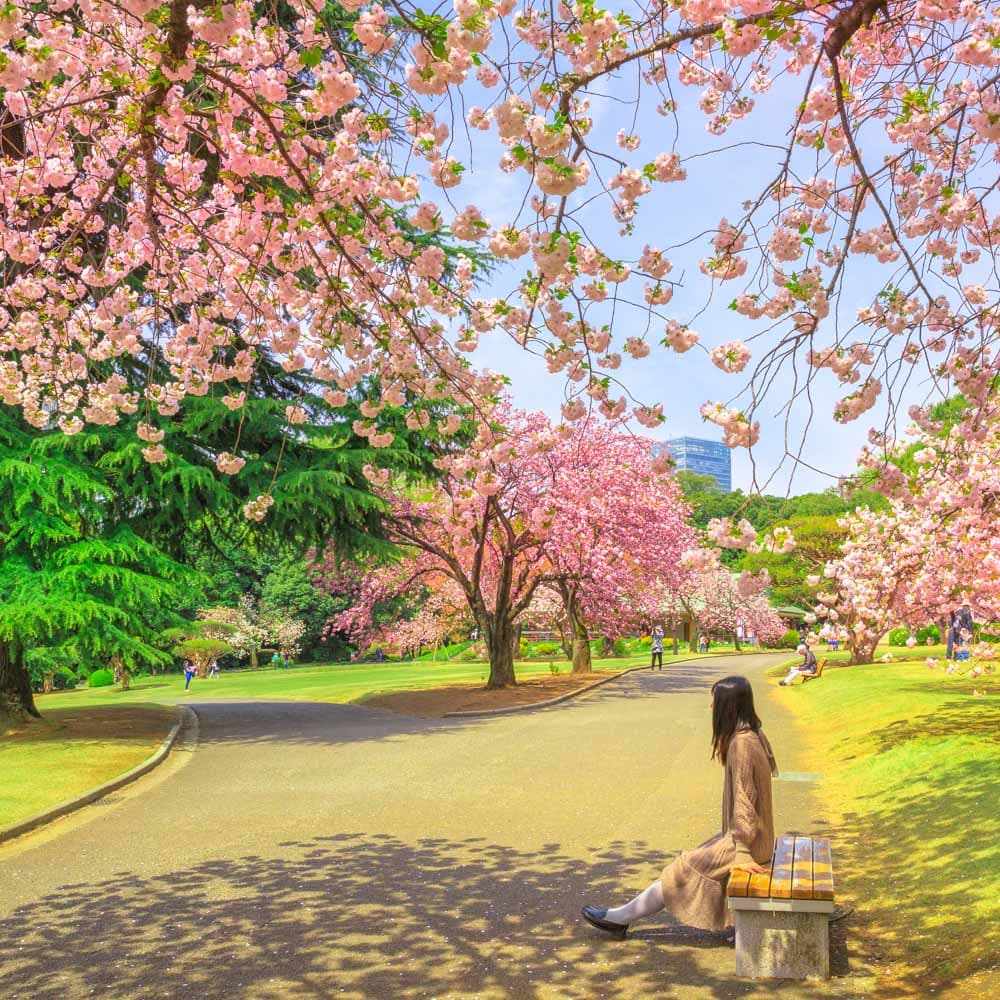
Spring is perhaps one of the most enchanting times to visit Meiji Jingu Shrine. The area surrounding the shrine comes alive with the iconic cherry blossoms, or sakura, providing an ethereal backdrop that's perfect for photographs. The soft, pink petals contrast dramatically with the traditional wooden architecture of the shrine. Visitors can participate in "hanami," the tradition of enjoying the transient beauty of flowers, as they explore the lush gardens and expansive forest that surround the shrine. The atmosphere is vibrant, yet peaceful, capturing the essence of renewal that defines spring in Japan.
In the summer months, Meiji Jingu Shrine becomes a refuge from the bustling city heat. The dense canopy of trees in the shrine’s forest offers a cooling shade, and the pathways are less crowded, providing a tranquil experience. This is an excellent time to observe traditional Shinto rituals, like cleansing at the Temizuya water pavilion, or making offerings for good fortune. Summer festivals, including Tanabata, the Star Festival, are celebrated with vibrant decorations and special ceremonies. Despite the humidity, there’s an undeniable energy that pulses through the shrine during the summer.
As autumn arrives, Meiji Jingu Shrine transforms into a riot of color. The leaves of the Japanese maples and gingko trees change into brilliant hues of red, orange, and yellow. This provides a spectacular backdrop for cultural exploration and photography. In November, visitors might be fortunate enough to witness the fascinating Meiji Jingu Autumn Grand Festival, which features traditional dance, music, and even martial arts demonstrations. Autumn is a time for reflection, making it an ideal season for travelers seeking a deeper spiritual connection with the locale.
The shrine takes on a serene beauty during the winter months. Snow occasionally blankets the grounds, offering a tranquil and picturesque scene that appears as if it’s straight from a Japanese ink painting. The New Year's holiday, or "Shogatsu," is an especially busy time, as millions visit the shrine to make their New Year prayers and buy good luck charms for the coming year. Despite the cold temperatures, there’s a warmth in the collective optimism for the future, as visitors and locals alike partake in traditions that have been observed for generations.