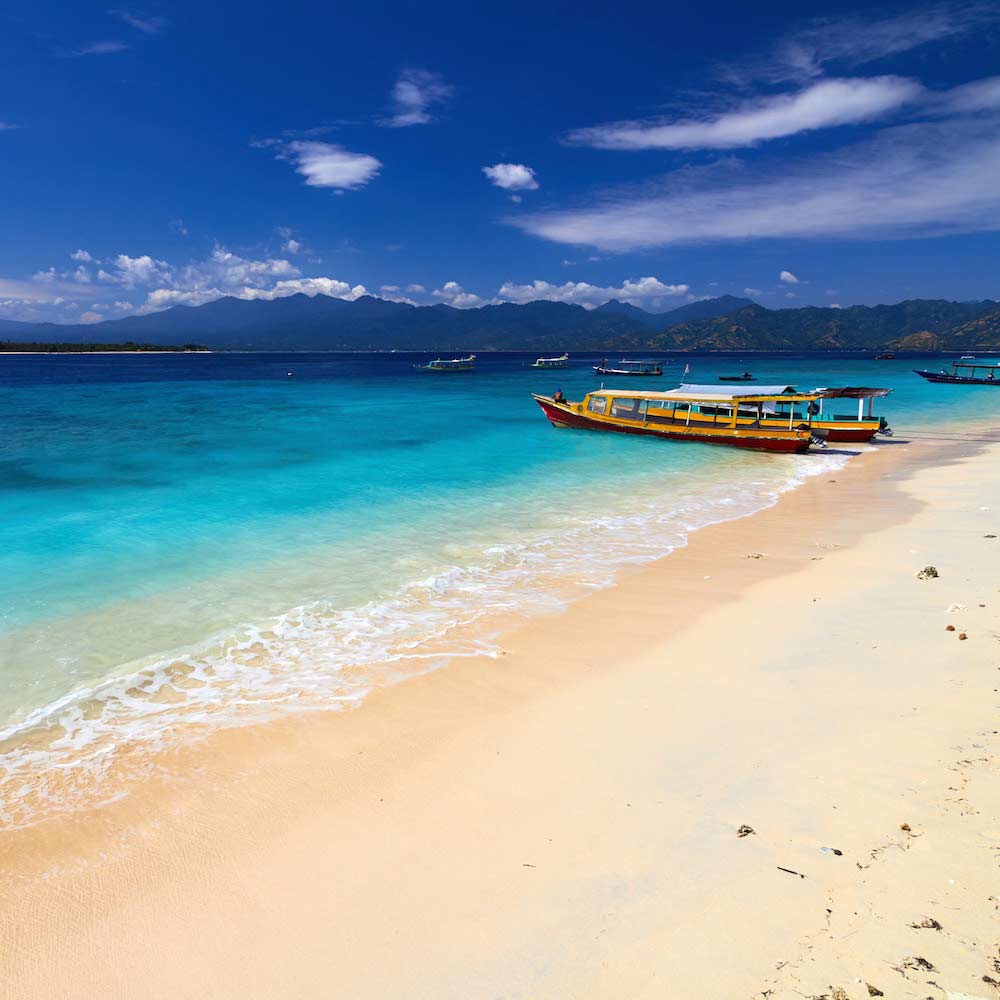
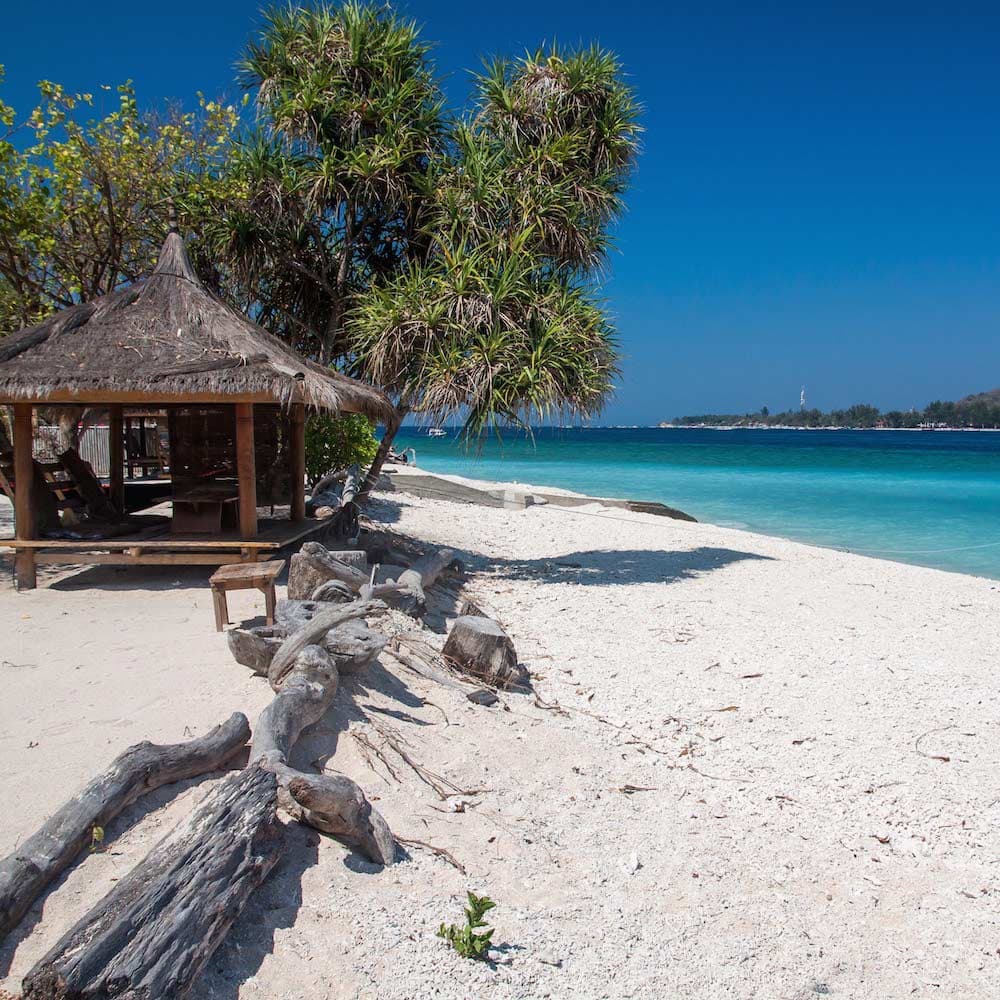
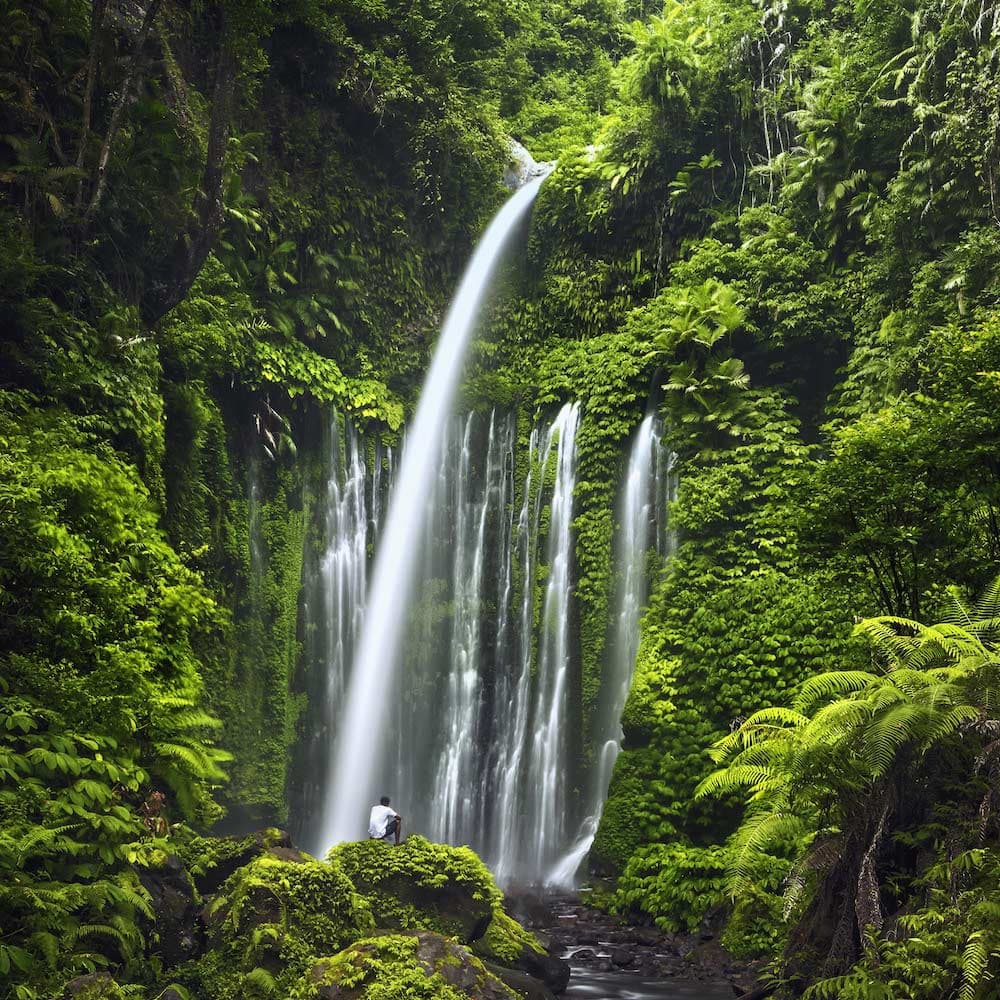
Spring on Gili Air is the tail end of the rainy season, with showers tapering off by March. The days get sunnier, the ocean calmer, and the island starts to glow with greenery. Visitors can snorkel in the morning, paddleboard over the reefs in the afternoon, and wander around the laid-back village in the evenings. As the island isn't crowded, travelers can expect a peaceful atmosphere while chatting with locals at beachside cafes or exploring dive shops for upcoming adventures.
During summer, Gili Air enjoys its peak season with dry and breezy weather. Travelers will find excellent conditions for diving and snorkeling, with clear waters revealing vibrant marine life. Expect a lively scene on the beaches and around the night market, where food stalls offer fresh seafood. Beach bars host sunset parties, creating a festive atmosphere. Make sure to book accommodation ahead of time, as the island draws more visitors during this period.
Autumn brings a gradual shift in weather, with dry conditions lingering through September. This quieter shoulder season provides ample opportunities for relaxing on serene beaches, biking along the sandy trails, or enjoying yoga classes. By November, the rains start picking up again, but they typically come in short bursts, leaving plenty of time for swimming, diving, or simply lounging at cozy bungalows.
The rainy season on Gili Air brings tropical rains that cool down the temperatures and nourish the island's lush landscapes. Travelers can still explore local cafes and spas between downpours. It's also a favorable time to find fewer crowds and enjoy discounted prices at resorts. Diving conditions remain decent, and the sunsets over the Bali Sea create a serene end to each day, offering a different perspective on island life during this quieter season.