Vacaay
1 / 4

Mount Agung

About Mount Agung

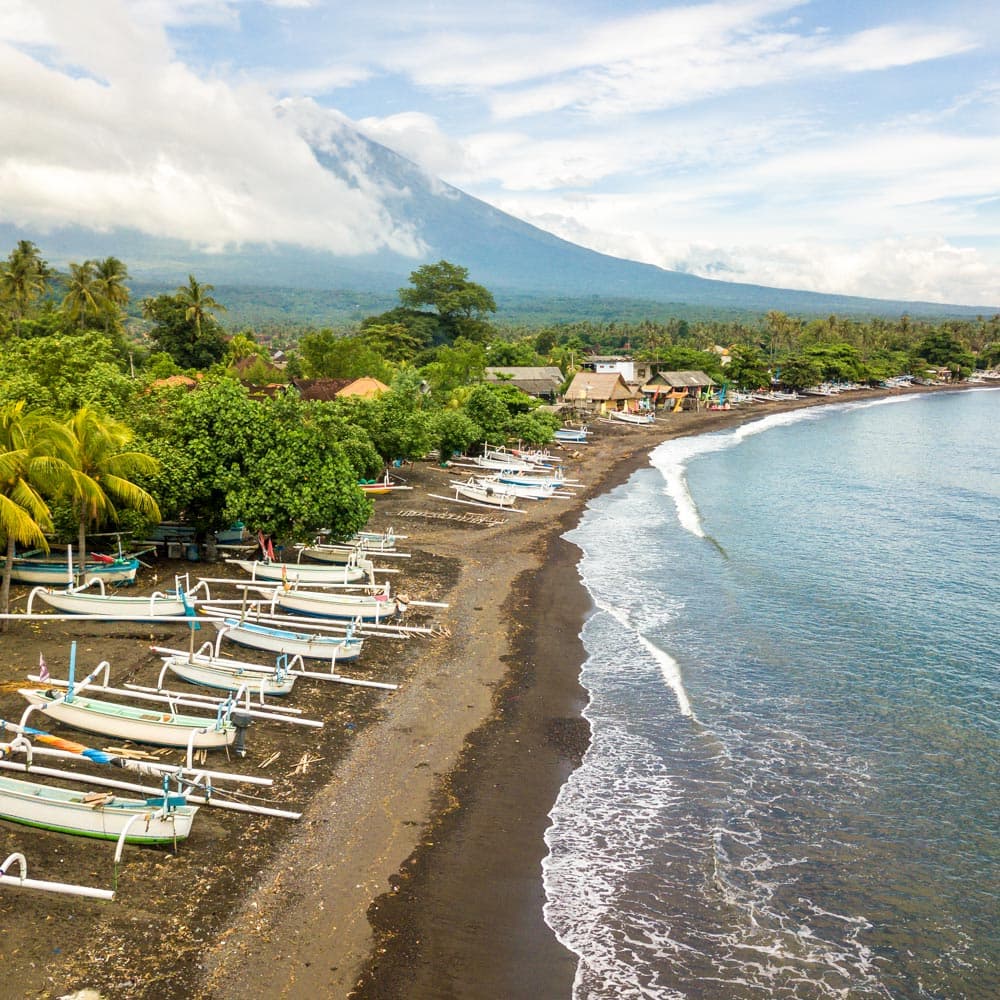
Mount Agung is an active volcano located on the island of Bali in Indonesia. Standing at a height of 3,142 meters, it is the highest point on the island and offers breathtaking views of the surrounding landscape. Hiking to the summit of Mount Agung is a popular activity for visitors to Bali, as it provides an opportunity to experience the natural beauty of the island and to witness the power of the volcano. The trek to the summit is challenging but rewarding, and those who make the journey are rewarded with stunning views of the sunrise or sunset from the top. In addition to its natural beauty, Mount Agung is also an important cultural site for the Balinese people, who believe that the mountain is a sacred place.

When to visit

The best time to visit Mount Agung is during Bali's dry season, which lasts from April to October, offering clear skies and stable hiking conditions.

Most popular: April - October

Spring · Sep, Oct, Nov

As spring unfolds around Mount Agung, the surrounding landscape is lush and vibrant due to Bali’s wet season. The rains start to taper off, leaving behind clear views and abundant greenery. Trekking routes are more accessible with the easing rains, and the terraced rice fields and dense jungle trails offer excellent photographic opportunities. Travelers can expect a relatively cool breeze at higher altitudes, which makes the ascent comfortable while providing panoramic views of the island.

Summer · Dec, Jan, Feb

With the dry season in full swing, summer is ideal for hiking up Mount Agung. Early morning treks are common to catch a spectacular sunrise over the horizon, illuminating the island's valleys and coastlines. The weather remains consistently warm, and the trails are clear of mud, offering the safest conditions for climbing. Local villages nearby are lively, celebrating the season with various festivals, offering a glimpse into Balinese culture.

Autumn · Mar, Apr, May

In autumn, Mount Agung continues to be accessible, and its trails remain dry. Although occasional rain showers might begin towards the end of the season, trekking conditions are still favorable. Visitors can look forward to quieter trails and reduced crowds as the season transitions. This period is perfect for immersing oneself in local traditions, and the mountain remains a symbol of spirituality for many Balinese, offering cultural exploration opportunities at its temples.

Winter · Jun, Jul, Aug

The rainy season attracts adventurous hikers who embrace the mystical atmosphere of Mount Agung. Lush vegetation returns to its peak, enhancing the vibrant colors of the landscapes. While trekking conditions can be challenging, travelers can still appreciate the spiritual ambiance of the mountain’s surrounding villages and temples, and the mist-covered slopes provide unique photo opportunities.

Location

Getting There

To reach Mount Agung from Ubud, head east via Karangasem Regency. Follow signs towards Pura Besakih, the largest temple complex on the island, and from there continue upwards to the starting point for trekking.

You may also like

America the Beautiful — plan your trip with Booking.com
Advertisement
Advertisement

Book securely throughBooking.com

View Rates