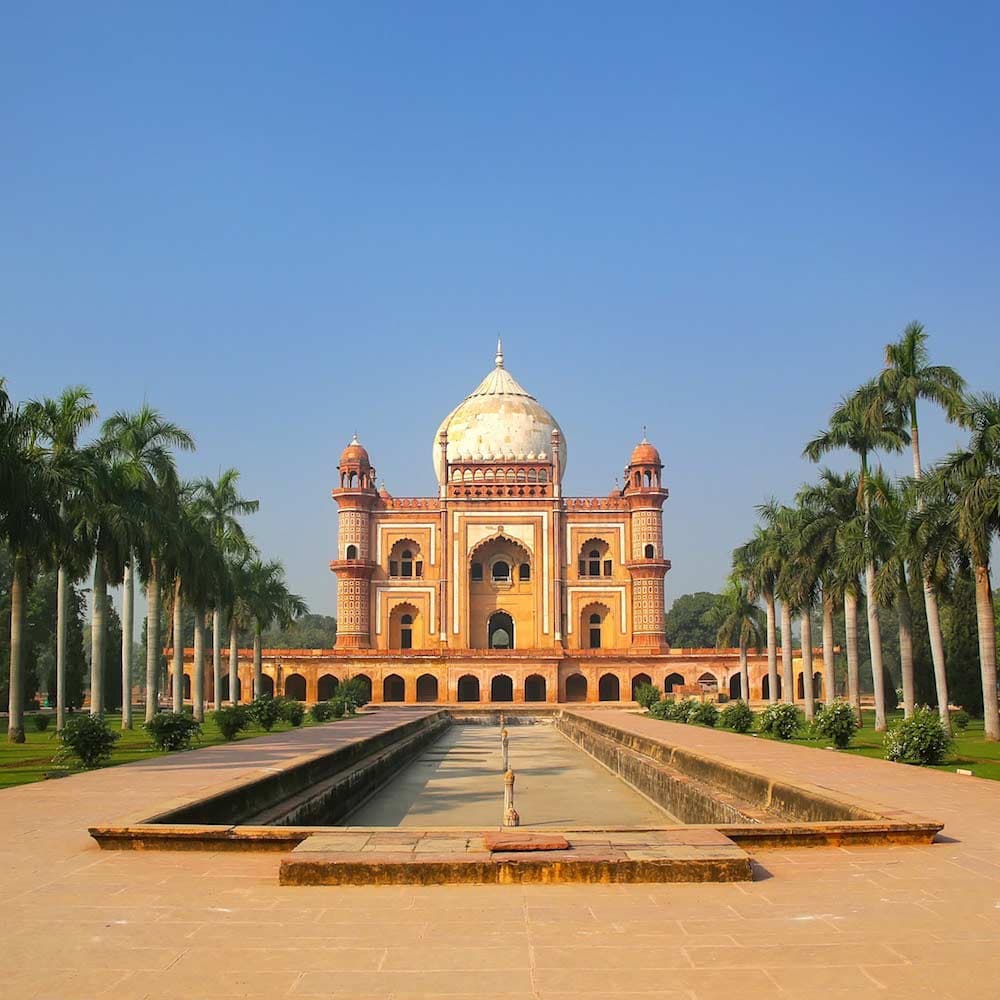
Visiting the Taj Mahal in spring is a delightful experience. As the harsh winter fades, the gardens around this iconic monument burst into bloom, showcasing a vibrant display of colorful flowers and lush greenery. The weather is pleasantly warm, making it comfortable to explore the expansive grounds and admire the intricate marble inlay work up close. With clear blue skies providing a perfect backdrop, spring offers ideal lighting for photography, capturing the shimmering reflection of the Taj Mahal in the ornamental pools.
Summer at the Taj Mahal can be quite warm, but this season has its own unique charm. Early mornings are particularly magical, as the rising sun casts a soft golden hue over the marble, creating a mesmerizing effect. Visitors during this time should plan to arrive at sunrise to beat the heat and the crowds. Although the afternoons can be hot, the Yamuna River behind the Taj offers a cooling breeze, and the interior chambers provide a cool respite from the sun, allowing you to admire the detailed craftsmanship in a more serene setting.
Autumn brings a mild and temperate climate to the Taj Mahal, making it one of the best times to visit. The lower humidity and cooler temperatures allow for extended explorations of the site’s architectural beauty without the discomfort of summer's heat. The soft autumn light enhances the pearly white surface of the monument, and fewer tourists during this season means you can enjoy more quiet moments. This is also a great time to capture the Taj Mahal surrounded by the golden hues of the sunset, which complements the white marble beautifully.
Winter at the Taj Mahal is marked by crisp, foggy mornings that slowly unveil the majestic structure as the sun rises and the fog dissipates. The cooler air is refreshing, and the crowds are thinner, offering a more personal experience with this wonder of the world. Photographers particularly enjoy the mystical ambiance created by the fog, with the Taj Mahal often appearing to float above the ground. Afternoons are pleasantly cool, perfect for leisurely strolls through the gardens or sitting by the reflecting pools, reflecting on the enduring love story that inspired its construction.