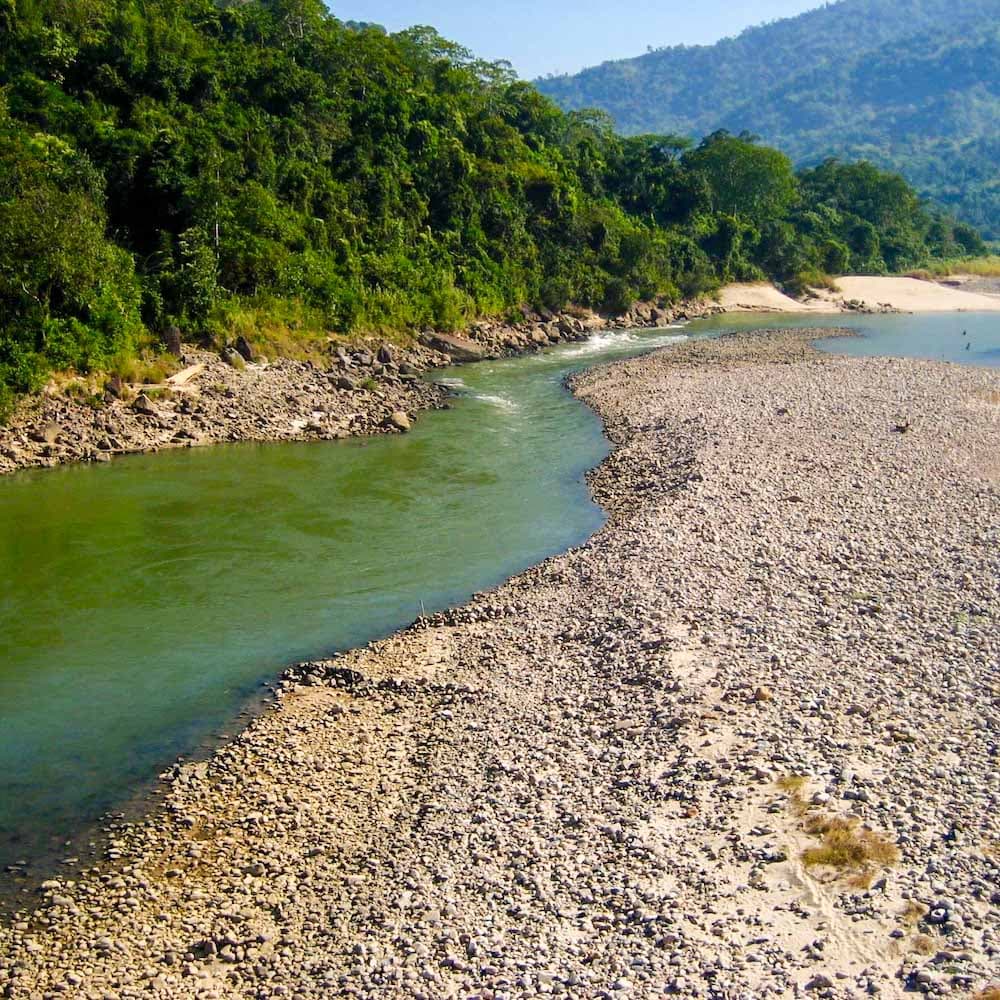
During spring, Nohkalikai Falls in Meghalaya presents a vibrant spectacle as the landscape comes alive. The surrounding hills are lush and the dense forest cover adds a captivating green backdrop. The waters are replenished from recent rains, creating a strong, cascading waterfall that plunges into the turquoise pool below. Mild temperatures and manageable humidity levels make it an ideal time for hiking and exploring the surrounding area, with rhododendrons and other wildflowers blooming along the trails.
Summer brings warmer days and increased rainfall, causing the falls to swell with intensity. The monsoon rains transform the already-impressive cascade into a roaring, thundering spectacle. This is the season for travelers who relish nature at its most powerful, though the terrain may become slippery. The mist that rises from the falls refreshes the air, offering some respite from the summer heat while giving a stunning, ethereal appearance to the lush cliffs.
Autumn in Nohkalikai Falls is characterized by crisp, clear weather. The monsoon rains have ended, leaving the waterfall strong and impressive but not as overwhelming as in summer. The nearby landscape begins to shift in color, adding a golden hue to the hills and making it an attractive time for photography enthusiasts. Trails are easier to navigate, and the pool beneath the waterfall remains picturesque with fewer tourists.
Winter is the dry season at Nohkalikai Falls, and while the waterfall is not as forceful, it continues to impress as a slender, steady cascade. The weather is cool but generally pleasant for trekking and exploration. The visibility is excellent, providing sweeping, unobstructed views of the surrounding valleys and hills. It's a quieter season with fewer tourists, perfect for those seeking a peaceful retreat in a stunning natural setting.