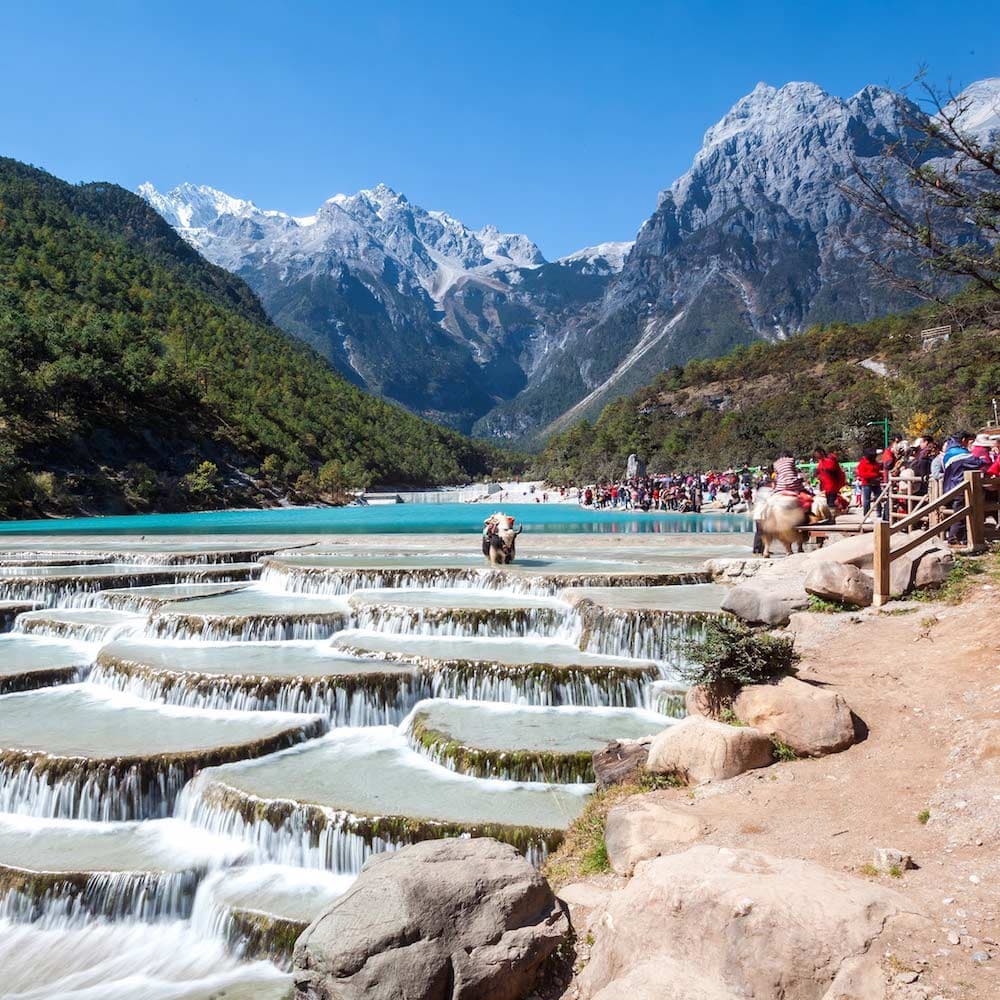
Spring breathes life into the Western Mountains from March to May, thawing snows and welcoming a fresher climate. This period is less about the floral spectacle and more about witnessing nature's quiet resurgence. Hikers will find the trails muddy but passable, revealing early blooms and greenery. The temperature is mild, perfect for those looking to escape the heat or cold extremes. It's also a less crowded time, ideal for visitors seeking solitude amidst nature.
During the summer months of June to August, the region becomes a haven for outdoor enthusiasts. The weather is warm, sometimes veering into hot, making early morning or late evening the best times for activities. This season is prime for exploring higher altitudes, where the air remains cooler and the views are uninterrupted by the haze that can affect lower areas. Expect the trails to be busier, as both local and international tourists flock to enjoy the outdoors.
September to November marks the arrival of autumn, arguably the best time to visit the Western Mountains. The temperature drops, offering a comfortable climate for exploration. The landscape undergoes a dramatic change, with the foliage turning into vibrant shades of yellow, orange, and red. The clear skies provide excellent conditions for photography and long treks, and the reduced tourist traffic from summer makes for a more peaceful experience.
Winter, from December to February, blankets the mountains in snow, offering a different kind of beauty. This season is for the adventurous at heart, with activities shifting towards skiing, snowboarding, and other winter sports in certain areas. It's cold, with temperatures often dropping below freezing, so it's essential to be well-prepared. However, the winter also brings fewer tourists, making it a perfect time for those looking to enjoy the serene, snow-covered landscapes in quiet.