Spring, from March to May, welcomes visitors with mild weather and the palace grounds bursting into life with colorful blossoms. The cherry blossoms, peonies, and magnolias create a vibrant tapestry against the ancient structures, offering a perfect backdrop for leisurely strolls along the Long Corridor and peaceful boat rides on Kunming Lake. The fresh greenery emerging around the lake and gardens invites visitors to immerse themselves in the natural beauty and historical grandeur of the palace, making it an ideal time for photography and outdoor activities.
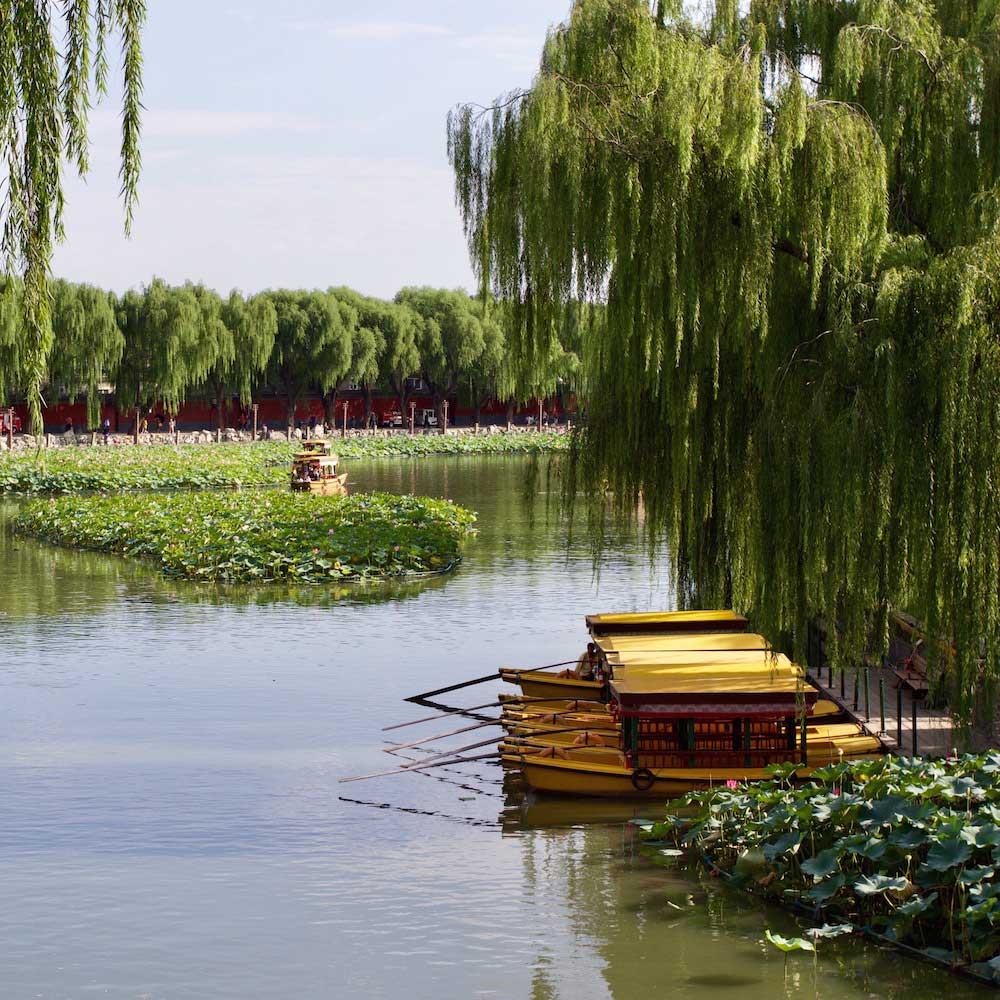
During the summer months of June to August, the Summer Palace lives up to its name, with the gardens lush and the lotus flowers in Kunming Lake in full bloom, painting the landscape with splashes of pink and green. The weather can be quite warm, encouraging visitors to seek out the shaded areas under ancient trees or explore the cooler indoor sections of the palace. Paddle boating on the lake offers a refreshing escape, while the evenings may feature cultural performances that add a lively atmosphere to the historical setting.
Autumn, from September to November, transforms the Summer Palace into a canvas of rich golds, oranges, and reds as the leaves change color, reflecting beautifully on the still waters of Kunming Lake. This season offers the most comfortable weather for exploring the vast grounds, climbing up to the Tower of Buddhist Incense for panoramic views, or simply enjoying the tranquility of the landscape. The clear, crisp air and fewer crowds make autumn an ideal time for visitors seeking to experience the peaceful harmony between nature and the architectural elegance of the palace.
Winter months, December through February, cast a serene silence over the Summer Palace. The snow-covered roofs and frozen Kunming Lake offer a stark yet beautiful contrast to the bustling seasons of the year. While the cold may deter some, the winter scene provides a unique experience with fewer tourists and a chance to see the palace in a different light. Ice skating becomes a popular activity on the lake, and the snow-laden paths make for picturesque walks through the historical site, offering a quiet reflection of China's imperial past.