Vacaay

Baboon Island

About Baboon Island

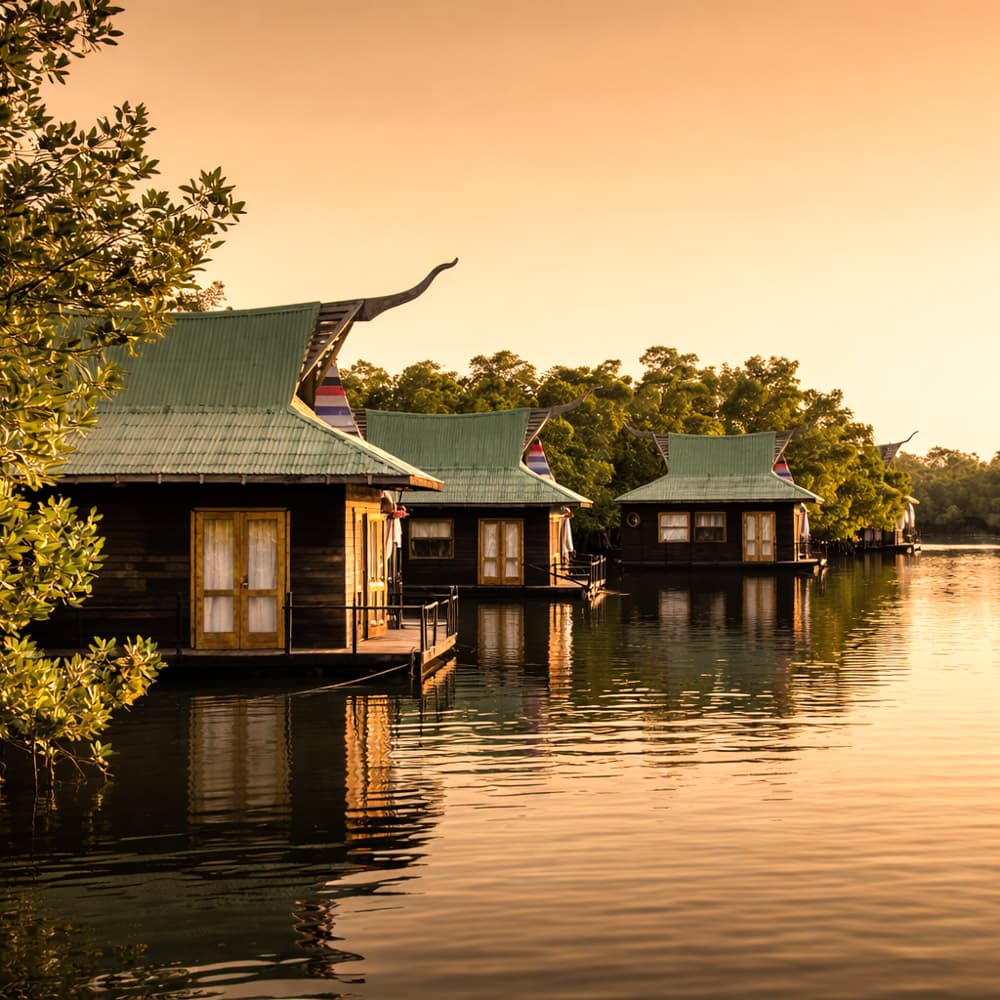
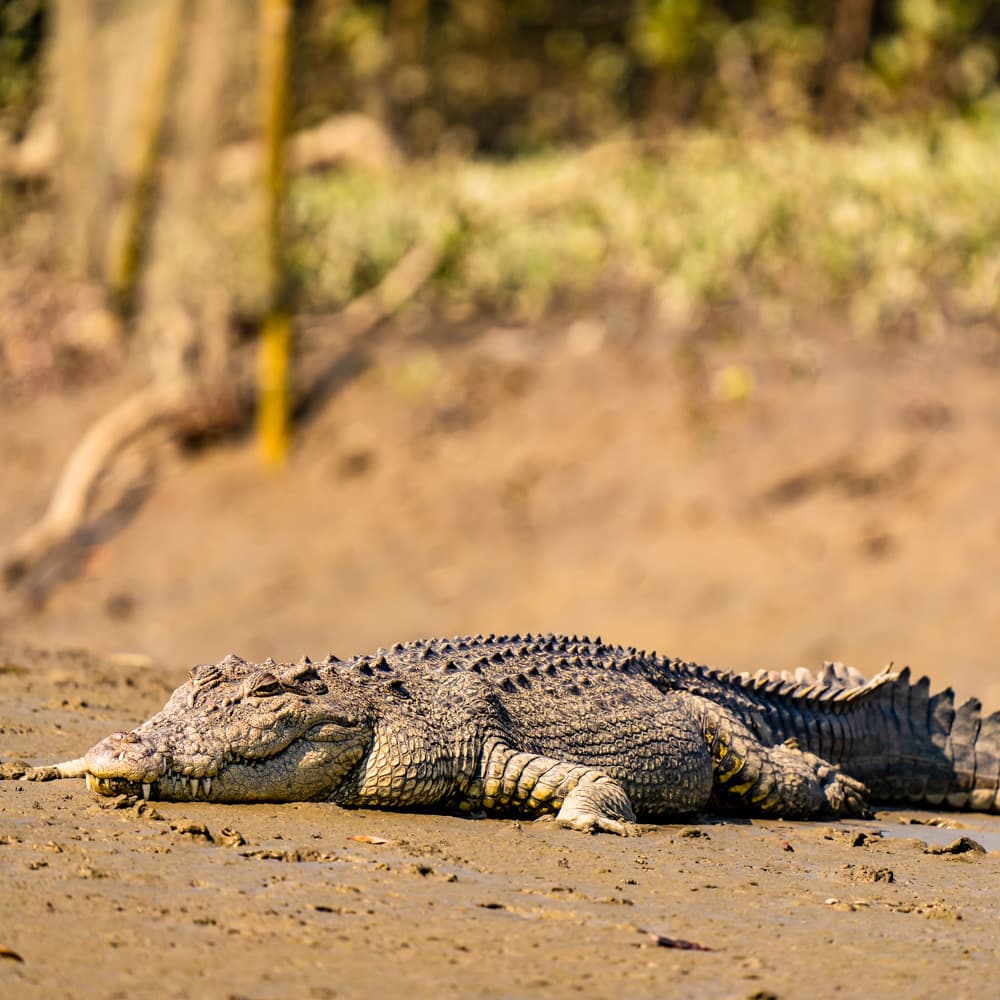
Baboon Island is one of the more unusual wildlife stops in The Gambia because it is less about big safari views and more about the river setting and the conservation story behind it. Part of River Gambia National Park, the island group is best known for the chimpanzee rehabilitation project, along with birdlife, river scenery, and a quieter, more remote feel than the country’s coastal areas. 

When to visit

November to May is the strongest overall period, with dry weather, clearer skies, and easier river-based wildlife viewing around the islands.

Most popular: November - February

Spring · Mar, Apr, May

Spring runs from Mar. to May and grows steadily hotter before the rains arrive. March and April are dry, bright, and rewarding for river wildlife, while May becomes more humid and transitional as rainfall begins to build around the park.

Summer · Jun, Jul, Aug

Summer spans Jun. to Aug. and is the wet season, when the islands and riverbanks turn lush and intensely green. Wildlife remains present, but heavier rain, thicker vegetation, and more humid conditions make this a less polished period for classic wildlife-focused visits.

Autumn · Sep, Oct, Nov

Autumn falls from Sep. to Nov. and begins green and humid before drying improves decisively later in the season. September can still feel wet and dense, while October and especially November become much more attractive for clear river scenery and easier viewing conditions.

Winter · Dec, Jan, Feb

Winter in Baboon Islands runs from Dec. to Feb. and is the most attractive season to visit, with dry weather, bright light, and more comfortable temperatures than the hotter late-dry-season months. This is when the river landscape feels crispest and most rewarding for wildlife trips.

Weather Highlights

  • Summer high

    33°C / 92°F

  • Winter low

    19°C / 66°F

  • Rain

    76 days

  • Snow

    0 days

Location

Getting There

Baboon Island is located in River Gambia National Park in the Central River Region, roughly 300 kilometres upstream from the coast, with the usual approach by road toward Kuntaur or Janjanbureh followed by a river transfer in the wider park area.
You may also like

America the Beautiful — plan your trip with Booking.com
Advertisement
Advertisement

Book securely throughBooking.com

View Rates