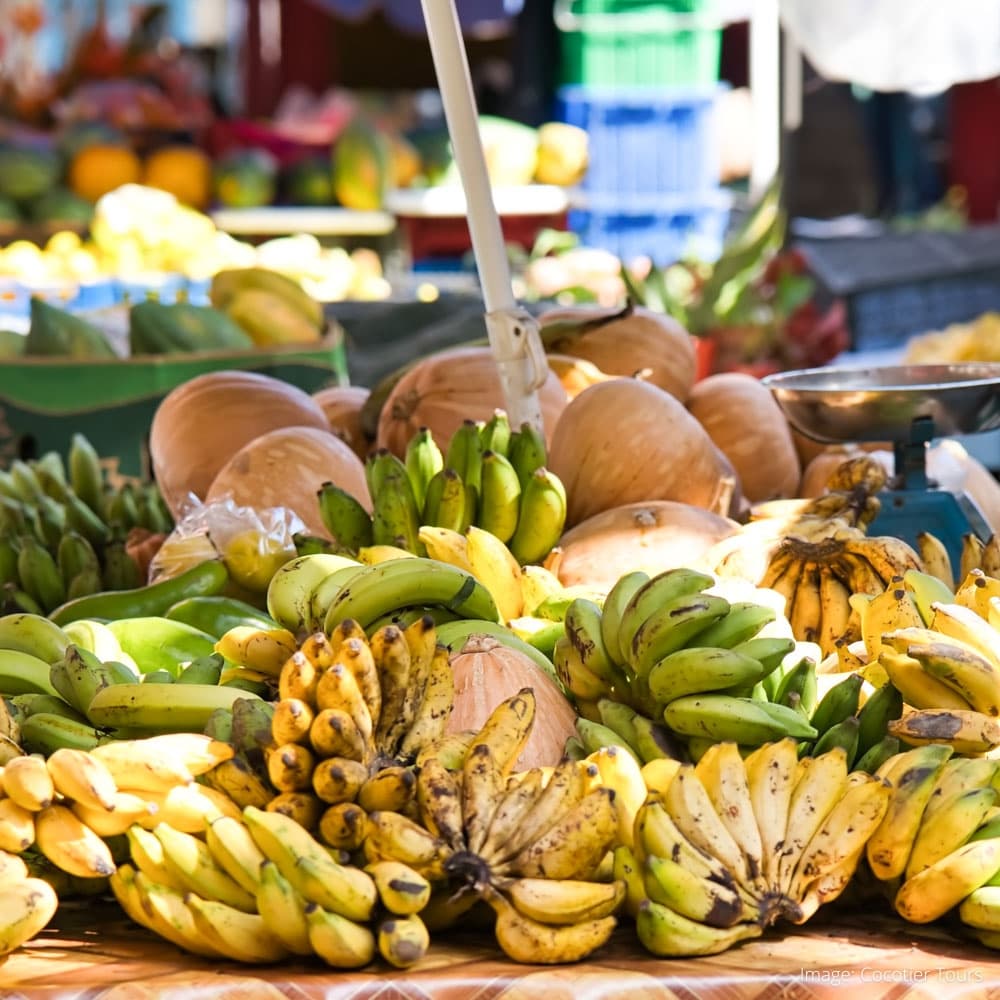
Spring is a season of renewal and rejuvenation, perfect for travelers who want to experience the great outdoors after a long winter. The mild temperatures and blooming flora make for an ideal backdrop for hiking, picnics, and photography. Tourist attractions are less crowded during these months, providing a more relaxed atmosphere to explore. As a cherry on top, spring often brings festivals celebrating the new season, where travelers can engage with local culture, food, and traditions.
Summer is the high travel season, offering the warmest weather and longest days. Beaches, theme parks, and outdoor concerts are in full swing, providing ample entertainment options. However, the popularity of summer travel means that many destinations are crowded and prices for flights and accommodations can be higher than usual. If you're a sun-seeker, this is the season for you, but be prepared for the hustle and bustle that comes with peak tourist season.
Autumn is a season that offers a spectacle of color, as leaves turn from green to shades of orange, red, and yellow. The cooler temperatures make this season ideal for long walks and scenic drives. Many regions hold harvest festivals, where travelers can taste local produce like apples, pumpkins, and corn. It's also a wonderful time for visiting vineyards and enjoying the season's local wines. With fewer crowds and mild weather, autumn offers a balanced travel experience.
Winter transforms many destinations into snowy wonderlands, offering activities like skiing, snowboarding, and ice skating. Even if you're not a fan of winter sports, the season has a unique charm with Christmas markets, light festivals, and the chance to experience local traditions tied to the colder months. However, travel can be more challenging due to snowfall and icy conditions, and it's essential to pack appropriately for the cold. Despite the chill, winter travel has its own set of rewards including the cozy atmosphere of a warm fire after a day in the cold.