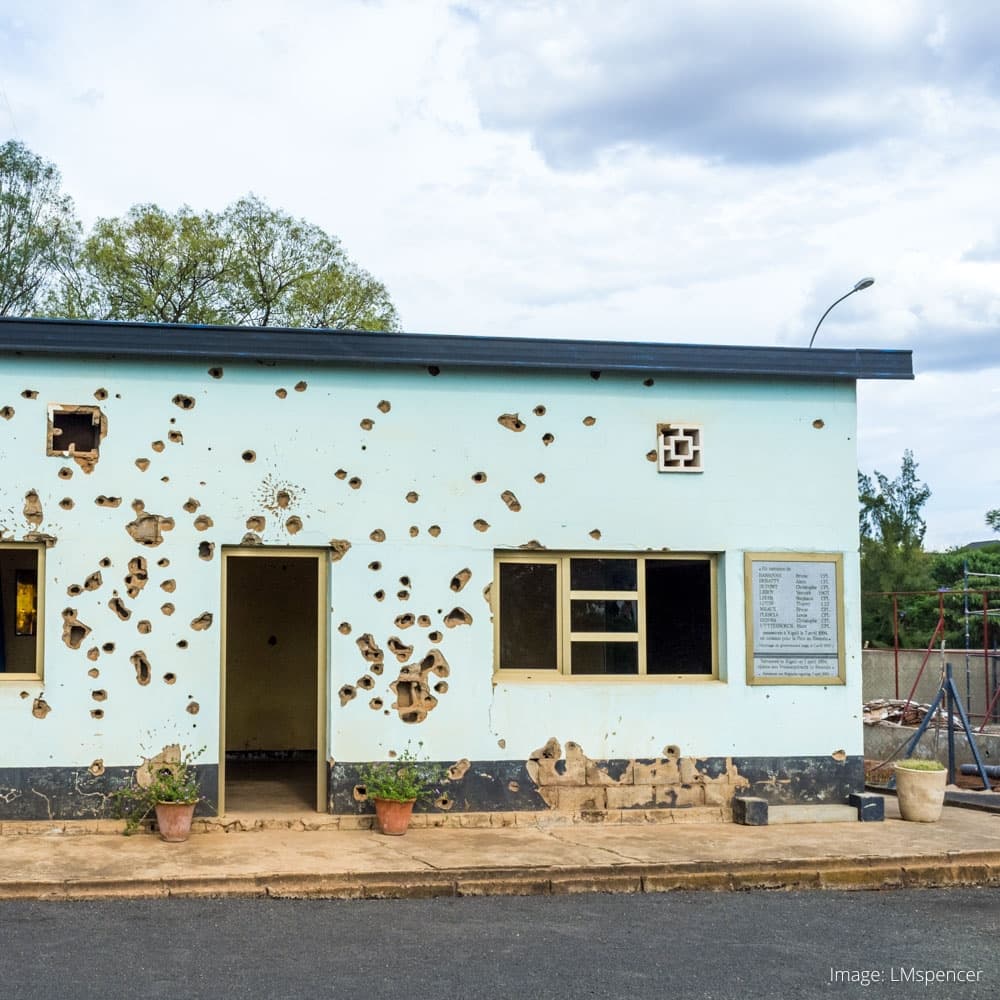
Spring in Kigali is generally warm and moderately humid, offering a pleasant environment for travel. During this season, the Kigali Genocide Memorial is often less crowded, making it an ideal time for those who want to quietly reflect on Rwanda's tragic history. The museum’s gardens are also in bloom, adding a sense of hope and renewal to the somber atmosphere. Visitors can comfortably take their time exploring the exhibits indoors and then meditate or have thoughtful conversations in the garden without feeling rushed.
Summers in Kigali are hot and wet, with frequent afternoon showers. The Kigali Genocide Memorial is air-conditioned, providing a welcome respite from the heat. However, the summer months coincide with school vacations and international holidays, making it one of the busier seasons to visit. Despite the crowds, summer visits can be enriching as they offer more opportunities to engage in community events or seminars often held at the memorial during this time. Just remember to bring an umbrella for the short walk from the parking area to the museum.
As the weather starts to cool in the autumn months, the Kigali Genocide Memorial sees fewer visitors, similar to the spring season. The moderate temperatures make it easy to spend time in both the indoor and outdoor portions of the memorial. The autumnal changes in the surrounding foliage add a different backdrop to the memorial garden, which can be particularly striking when considering the contrast of beauty and the site's dark history. Fewer crowds mean that guided tours are often more personal, providing a deeper understanding of the exhibits.
Winter is the dry season in Kigali, characterized by cooler temperatures and occasional chilly evenings. The Kigali Genocide Memorial tends to be quieter in winter, both in terms of visitor numbers and the general atmosphere. The cooler climate allows for introspective walks in the garden without the discomfort of the summer heat. It's an excellent time for travelers who prefer to avoid crowds and have a more solitary, reflective experience. However, it's advisable to bring a light jacket for the cooler temperatures, especially if you plan to spend some time in the outdoor areas.