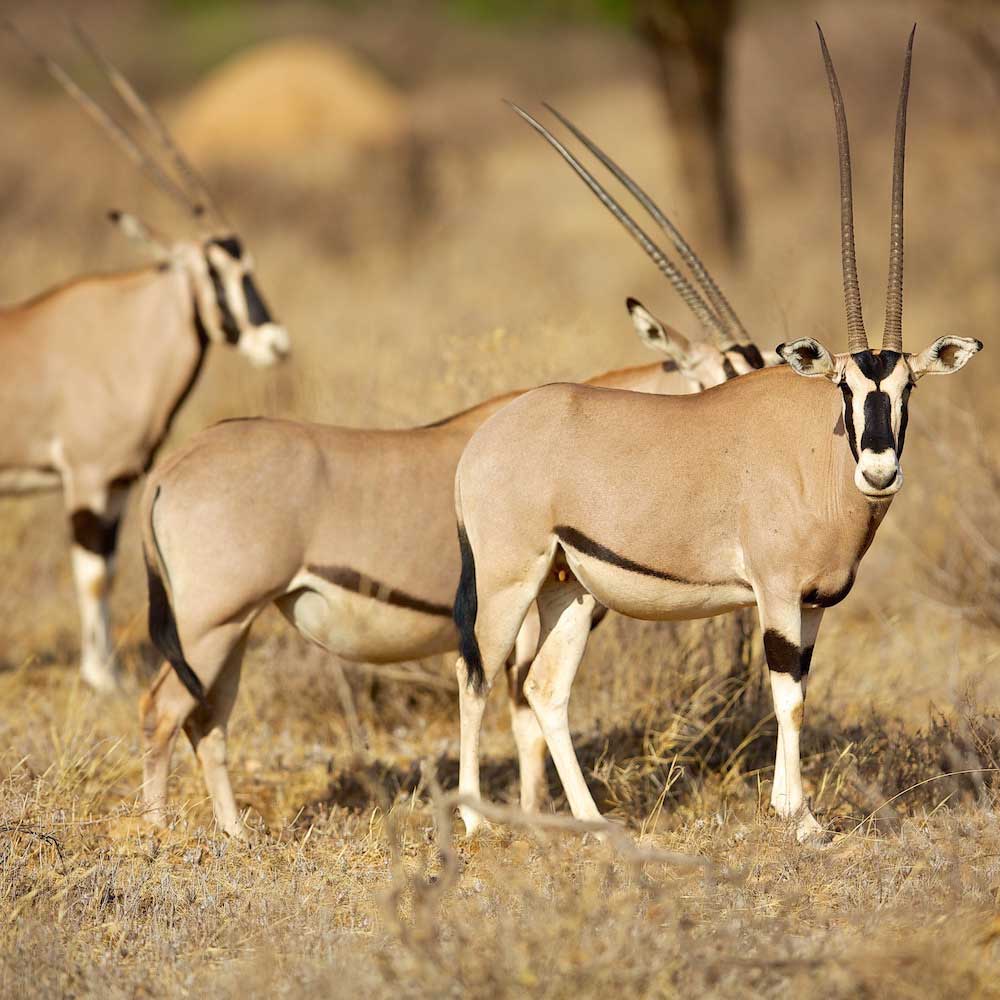
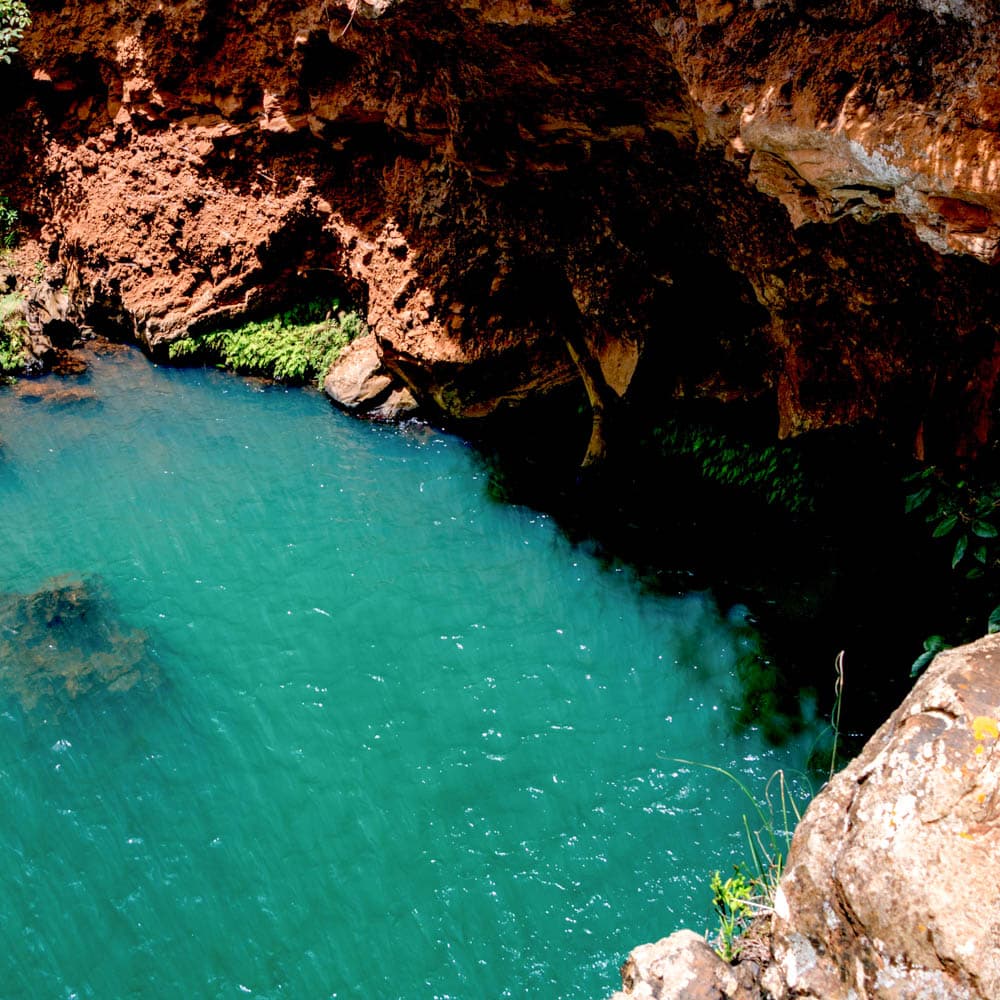
Visiting Buffalo Springs National Reserve in the spring offers a unique experience as the landscape begins to transform after the dry season. The reserve sees new plant growth and a noticeable increase in wildlife activity. Many animals, including elephants and antelopes, can be seen grazing in the rejuvenated grasslands. Birdwatchers will find this season particularly rewarding, with numerous bird species becoming more visible and active as they prepare for nesting. The temperatures during spring are moderate, making it a comfortable time for game drives and guided walks.
Summer in Buffalo Springs National Reserve is marked by warmer temperatures and dry conditions. The wildlife tends to congregate around the reserve's permanent water sources, such as the Ewaso Ng'iro River, providing excellent opportunities for game viewing. Predators like lions and cheetahs are often seen stalking their prey near these water points. Despite the heat, early morning and late afternoon game drives remain pleasant, and the clear skies make for stunning photographic opportunities. The dry season also means fewer mosquitoes, which is a plus for visitors.
Autumn brings a slight reprieve from the intense summer heat, with temperatures gradually cooling down. The vegetation remains sparse, making it easier to spot wildlife across the plains. This season is ideal for witnessing the interactions between different species as they prepare for the upcoming rainy season. Buffalo Springs is also home to several rare and endangered species, such as the Grevy's zebra and reticulated giraffe, which are frequently observed during this time. The comfortable climate allows for extended exploration of the reserve.
Winter in Buffalo Springs National Reserve coincides with the short rainy season, resulting in lush, green landscapes. The increased availability of water and fresh vegetation attracts a diverse array of wildlife, making it a prime time for game viewing. The reserve's rivers and springs are at their fullest, creating picturesque scenes and supporting the local ecosystems. Birdlife is abundant, with migratory species arriving in the area. Despite occasional rains, the weather remains relatively mild, providing pleasant conditions for visitors to explore the natural beauty of the reserve.