
Papua New Guinea
Beautiful Beaches, Deserted Islands, Pristine Reefs, Diving, Hiking, Snorkelling, Surfing, Tribal Villages, Colourful Culture, Kokoda, WWII History
Popular POIs
View AllThe most popular places to visit across Papua New Guinea right now
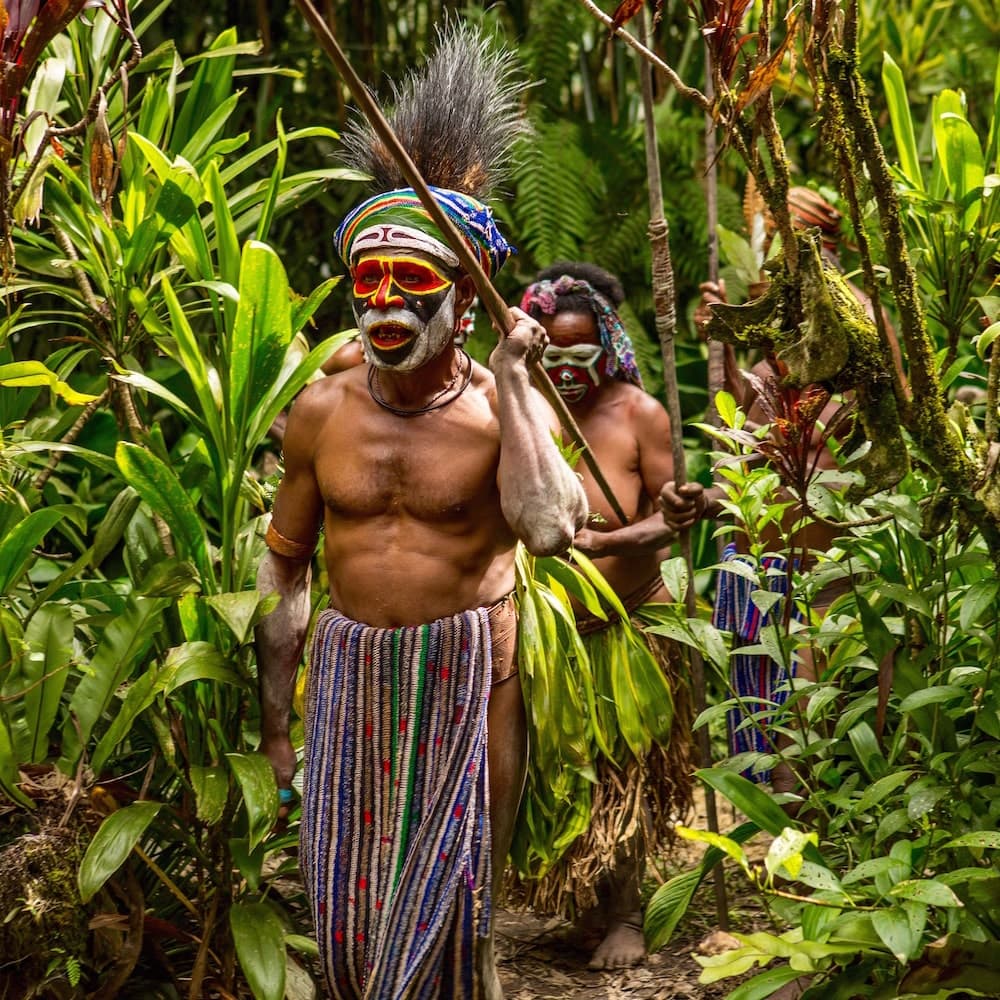
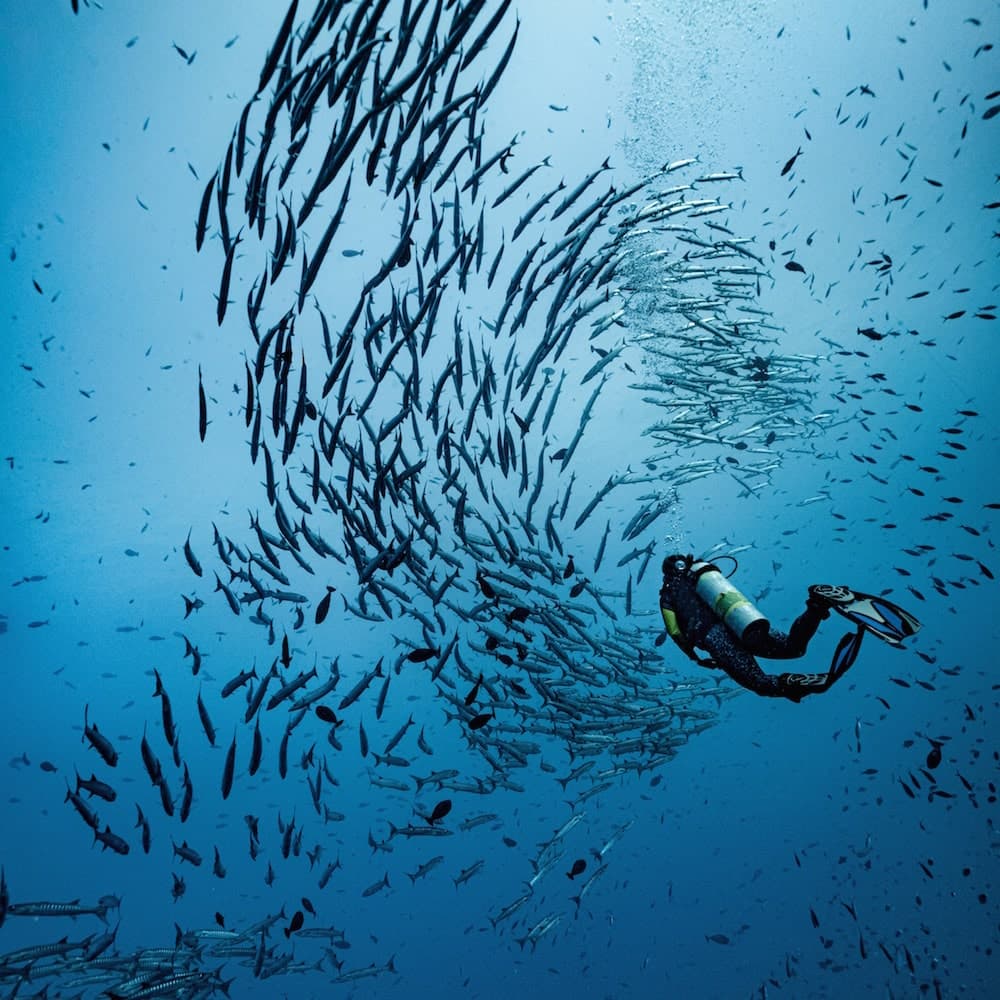
If you are craving a tropical holiday that involves something more exciting than sipping colourful cocktails by the resort pool, Papua New Guinea is the perfect destination. It encourages travellers to venture off the beaten track and explore the rich tribal cultures, exotic destinations, and remote highlands that make this place so unique. It is wild at heart yet also safe and welcoming for tourists seeking a more adventurous holiday.
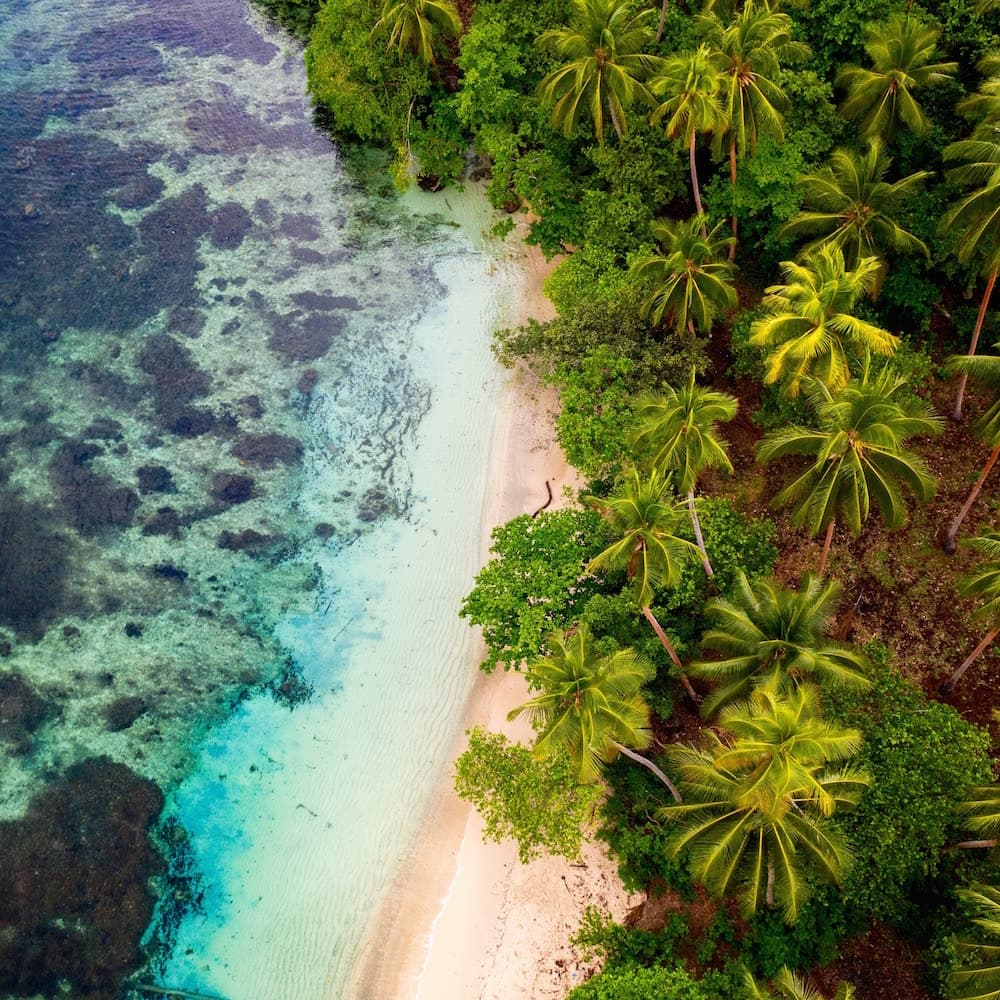
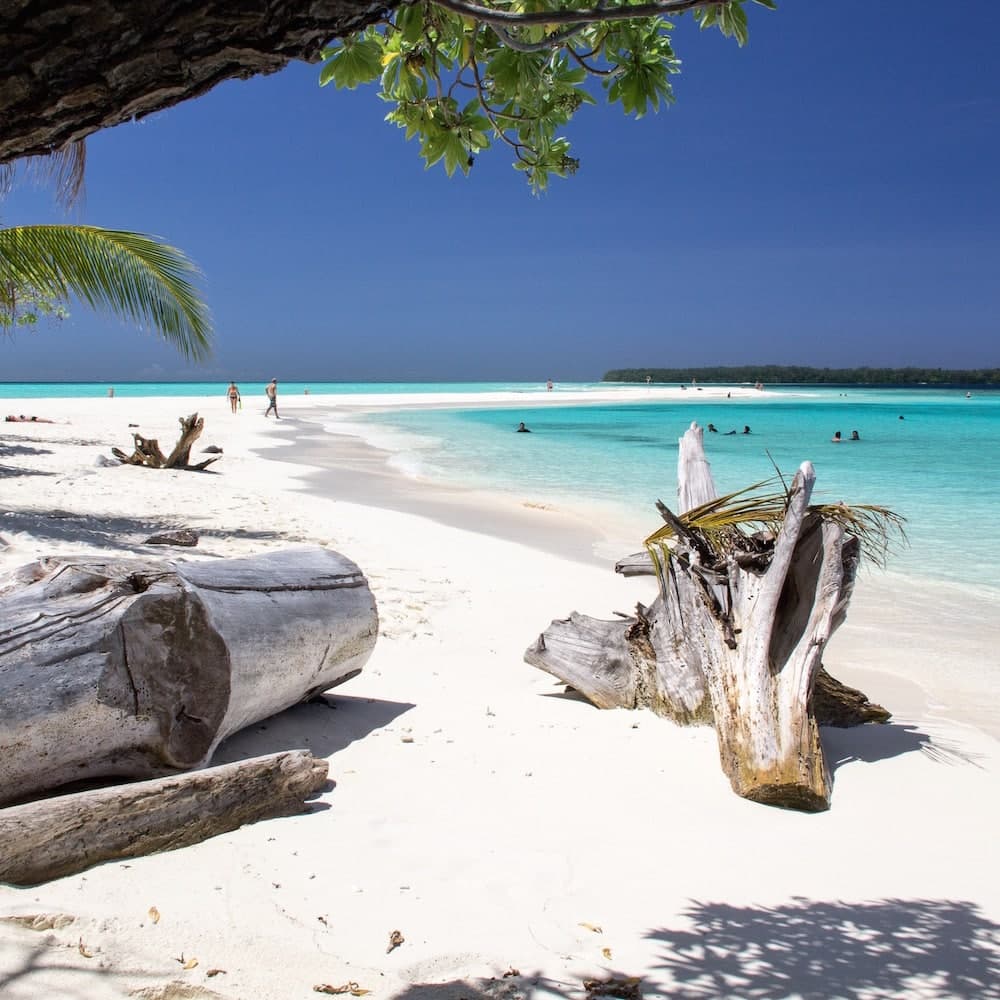
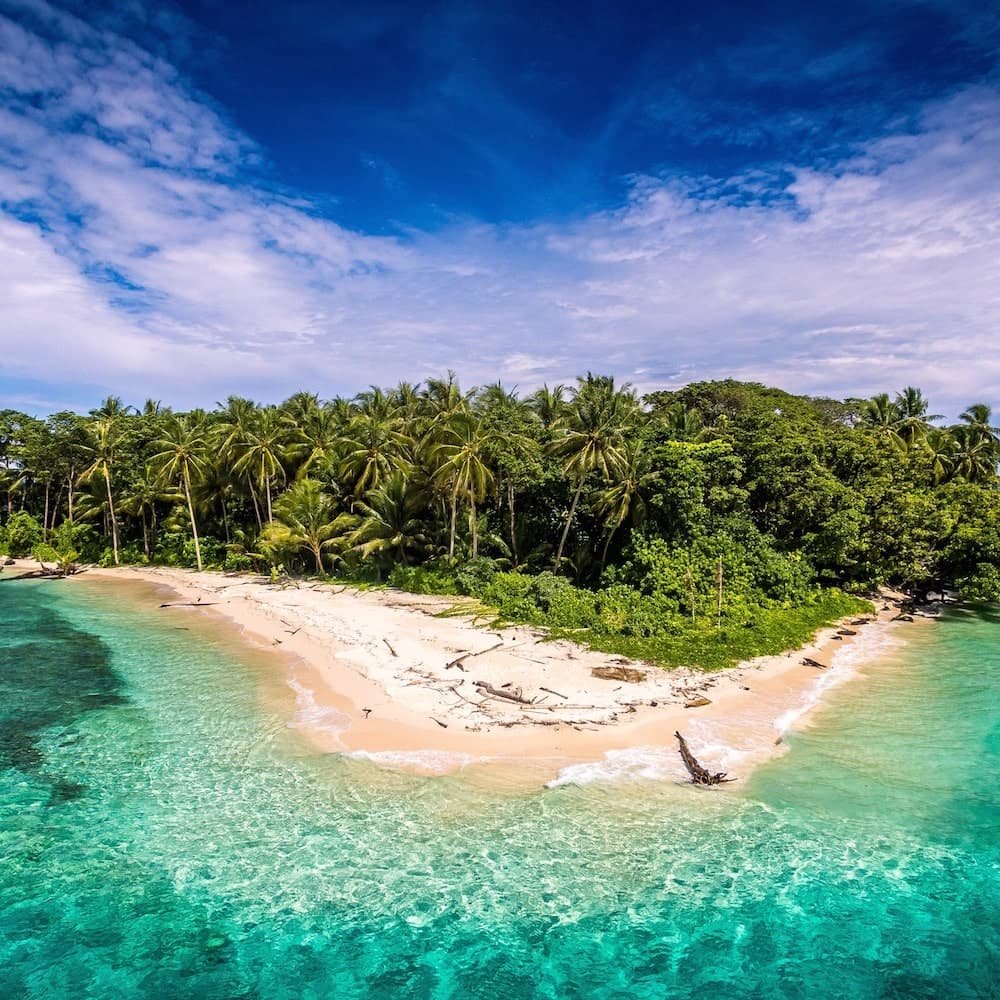
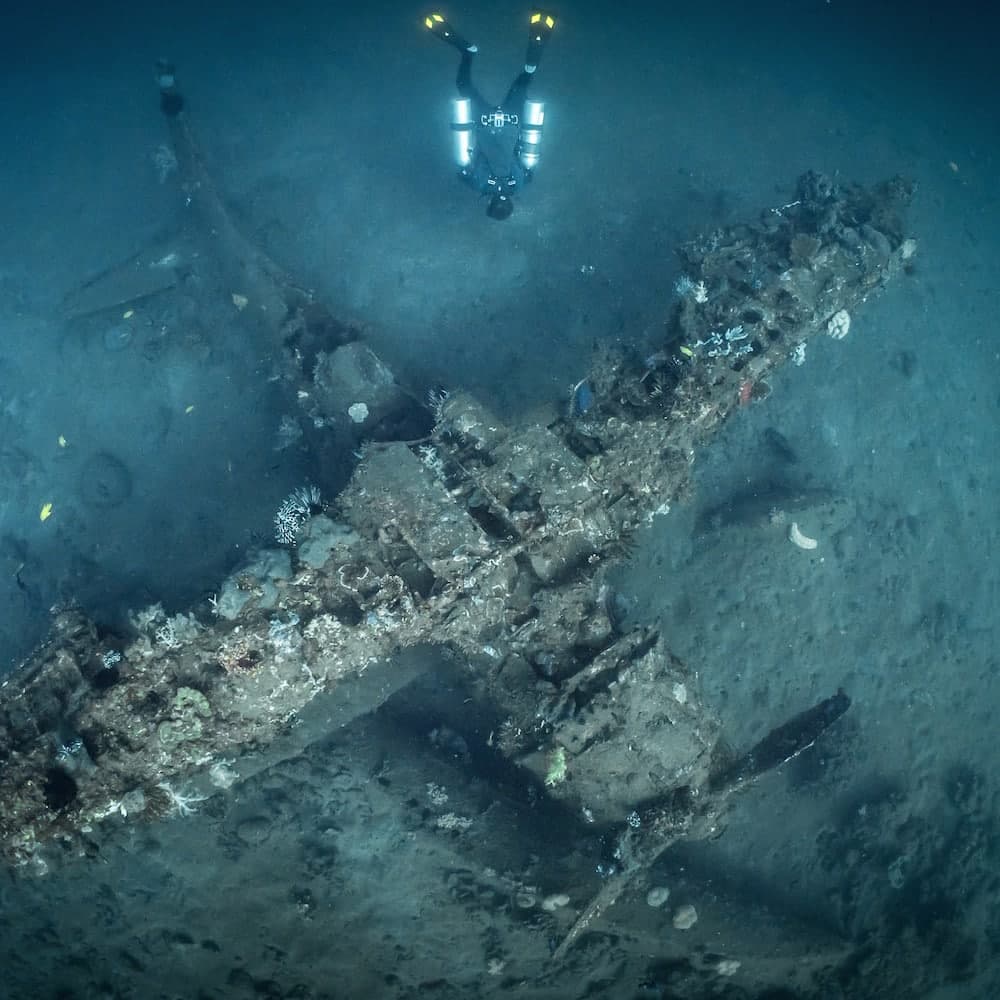
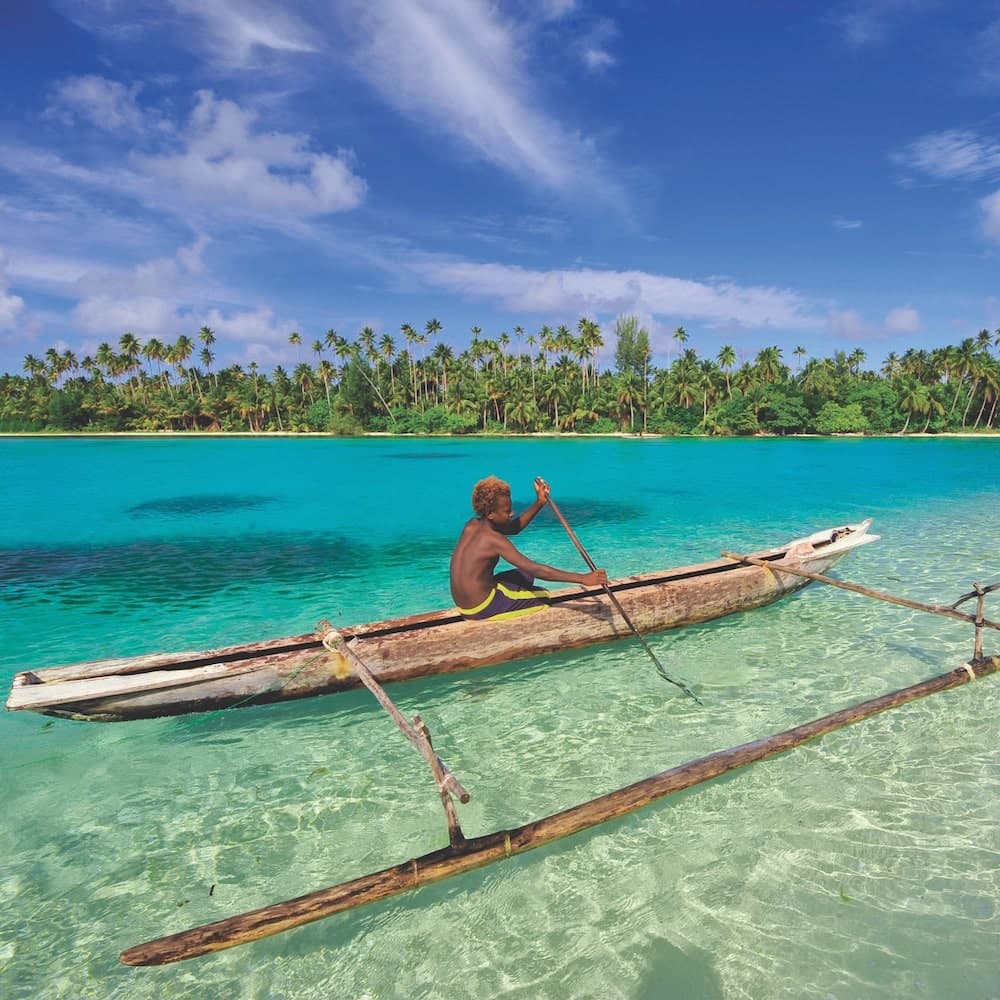
Papua New Guinea is filled with beautiful beaches, remote island villages, and more snorkelling and diving spots than you can point an underwater camera at. Add a volcano or two, fascinating war history sites and more than 600 islands, and it can be a challenge to decide how to spend your time in this largely undiscovered part of the Pacific.
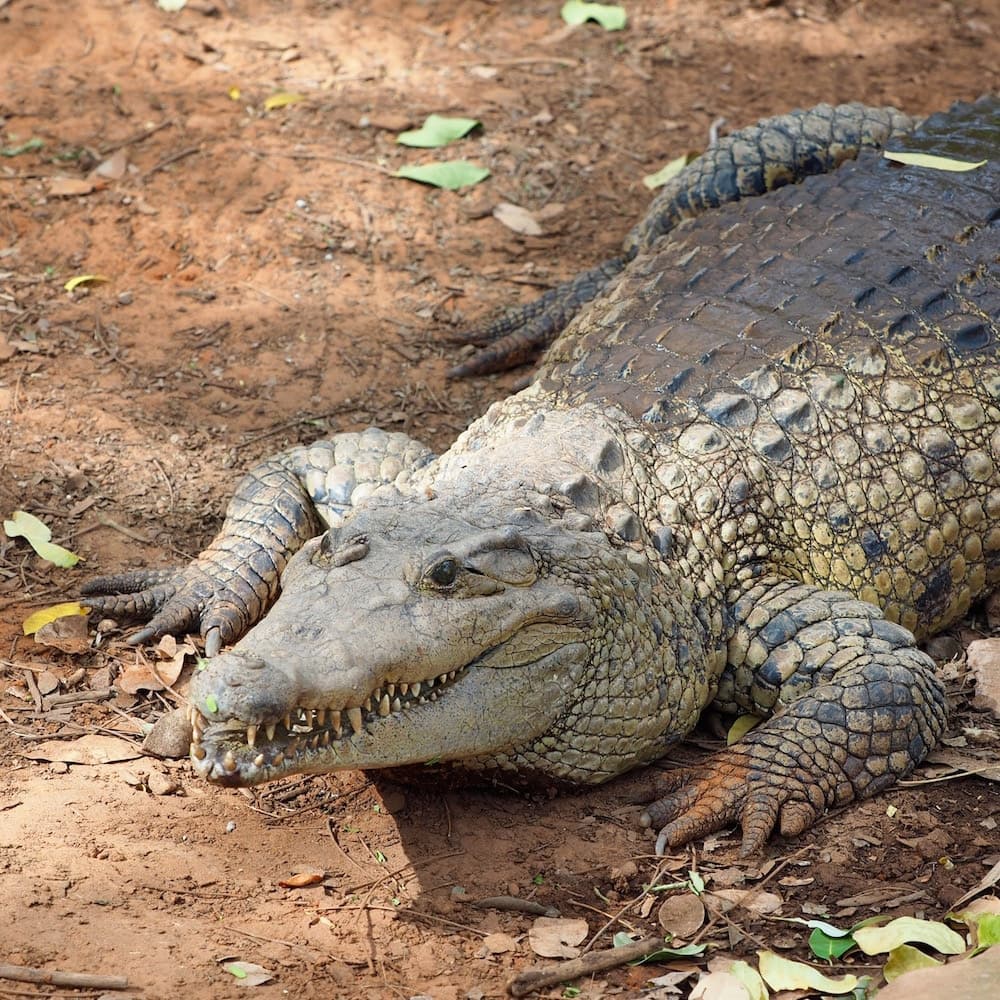
Port Moresby is the most popular jumping-off point and has a National Museum and Art Gallery featuring cultural art and WWII artefacts and the Port Moresby Nature Park which showcases the country's unique fauna and flora. The Milne Bay Province is home to some of the most remote tribes in Papua New Guinea. The capital, Alotau, is famous for the Battle of Milne Bay where the Japanese suffered their first land defeat in WWII. It’s possible to tour many of the memorials and historical battle sites around town. Wherever you’re travelling in Papua New Guinea, a local guide will help you get the most out of your trip.
Early French explorers marvelled at the beauty of Bougainville’s beaches, bays and lakes and you will too. Excellent snorkelling and diving sites which are famous for their pristine coral gardens and excellent visibility can be found throughout Papua New Guinea. An active volcano adds a dash of excitement to Rabaul which was the centre of operations for Japanese troops in WWII.
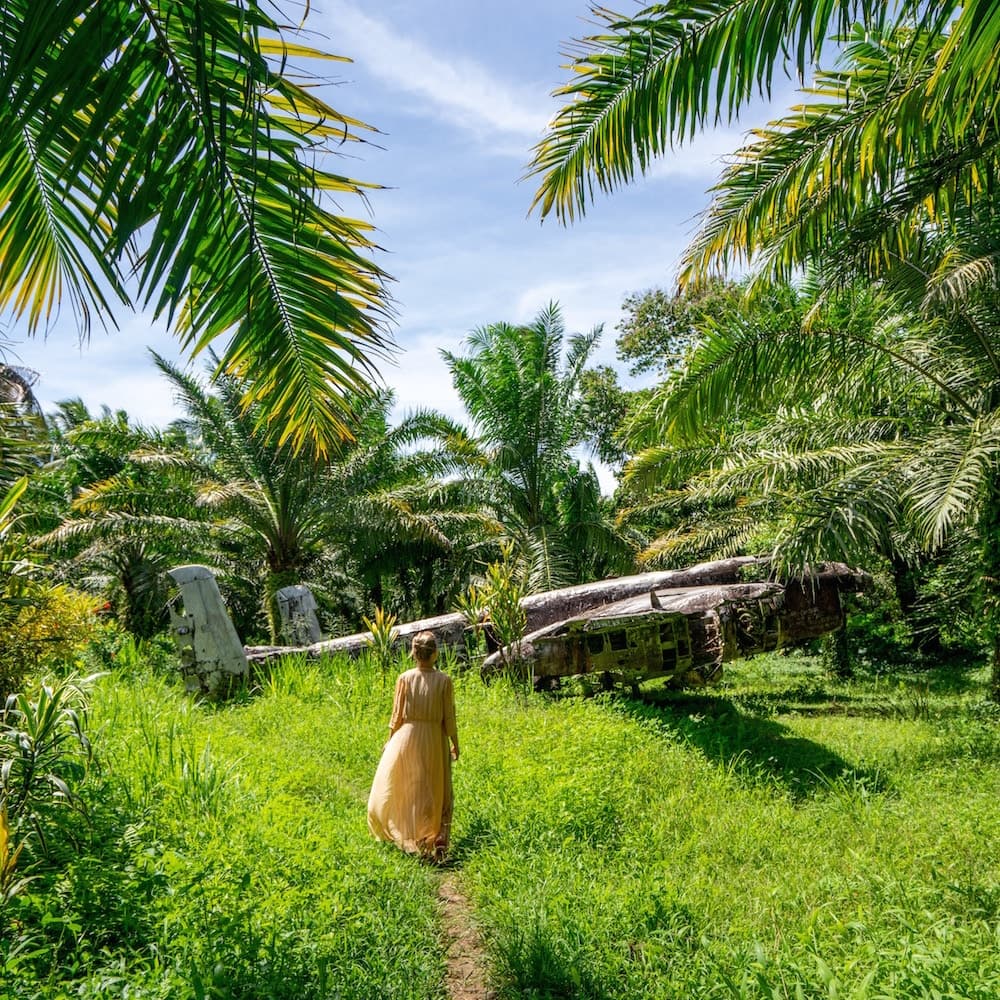
Travellers can explore the island’s tunnels, bunkers and war relics and visit the Volcanological Observatory which monitors Rabaul’s volcano and the surrounding area. Simbu is home to Papua New Guinea’s highest mountain and is one of the coldest places in the country. Believe it or not, this region occasionally gets snow. Papua New Guinea offers an enriching travel experience and is a destination that’s filled with surprises.
Best time to visit Papua New Guinea
Papua New Guinea only has two seasons: wet and dry. The temperature seldom dips below 18 degrees Celcius and humidity sits between 70 and 90 percent. June to September are the driest and most popular months to visit. Most of Papua New Guinea’s major festivals happen around this time. There can be quite a bit of rain from December to March, especially if a cyclone is hanging around the South Pacific. However, this is unlikely to disrupt your plans for diving, swimming and surfing as the water and the weather is still pleasantly warm.